

Audi S4 Engine Coolant Temperature Sensor: A Guide for 1992-2003 Models
An erratic temperature gauge or poor performance on your S4 often points to one common, easy-to-fix part.
- First, confirm if you have a C4, B5, or B6 S4, as the part and replacement difficulty differ greatly.
- For B5/B6 models, always choose the updated 4-pin 'green' sensor over older black or blue versions.
- Spend a little extra for a quality brand like Hella, Vemo, or Febi to avoid premature failure.
- On the B5 S4 (2.7T), this is a very easy DIY job that can be done in minutes with basic tools.
Understanding Your S4's Coolant Temp Sensor
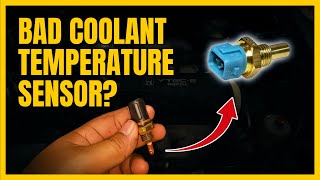
If you own a C4, B5, or early B6 Audi S4, a failing Engine Coolant Temperature Sensor (ECT) is not a matter of 'if', but 'when'. This small sensor is a well-known weak point, but it is also inexpensive and, on most models, simple to replace. It provides vital temperature information to your engine's computer and your dashboard gauge. A faulty sensor can 🎬 Watch: 8 common symptoms of a failing coolant temperature sensor. mimic symptoms of more serious engine problems, but the fix is often quick and straightforward.
Critical: Identify Your S4 Generation First!
The 1992-2003 model years span three different S4 generations (C4, B5, B6) with different engines. The sensor type, location, and replacement difficulty vary significantly between them. Before buying, you must identify your specific model.
- C4 S4 (1992-1994): 2.2L 5-Cylinder Turbo engine (AAN). Uses a different sensor design, sometimes with multiple senders for different tasks.
- B5 S4 (1999-2002): 2.7L V6 Twin-Turbo engine (APB). This is the most common model. The sensor is at the back of the engine in a coolant pipe and is very easy to access and replace.
- B6 S4 (2003): 4.2L V8 engine (BBK). The sensor is in a very difficult location at the rear of the engine against the firewall, making replacement much more labor-intensive.
Choosing the Right Aftermarket Sensor
For critical electronic parts on an Audi, not all aftermarket brands are created equal. While the OEM sensor is a safe bet, several aftermarket brands offer excellent quality, with some even being the original equipment manufacturer. Given the low cost of the part, it is not worth saving a few dollars on a low-quality sensor that could fail prematurely.
| Brand Tier | Brands | Notes |
|---|---|---|
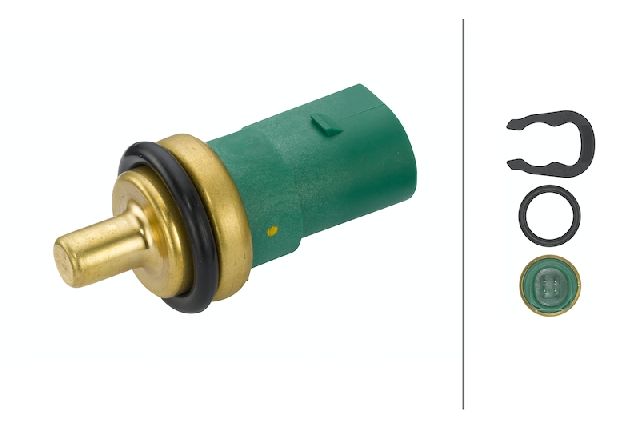
| OEM Supplier / Premium Aftermarket | Hella, Vemo, Febi, Rein, NGK/NTK | These brands are often original suppliers to VW/Audi or have a strong reputation for quality and reliability in the European car community. Choosing from this tier is highly recommended. |
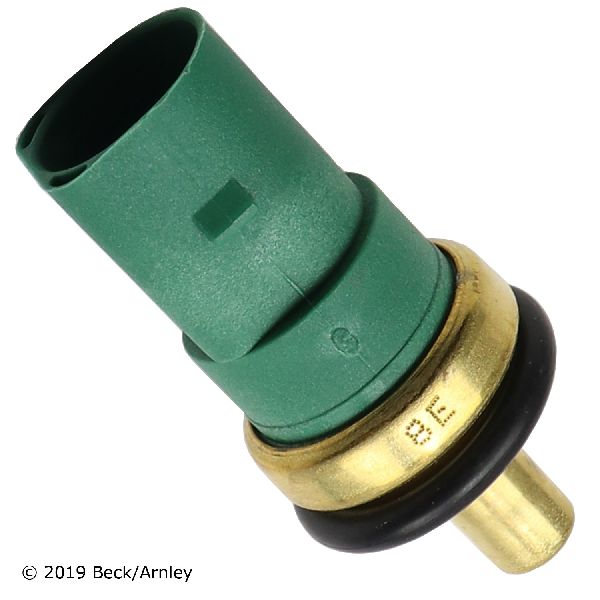
| Reputable Aftermarket | Beck Arnley, Delphi, Standard Ignition (SMP), Holstein | Solid mid-tier options that generally meet or exceed OE specifications and offer a good balance of price and performance. |
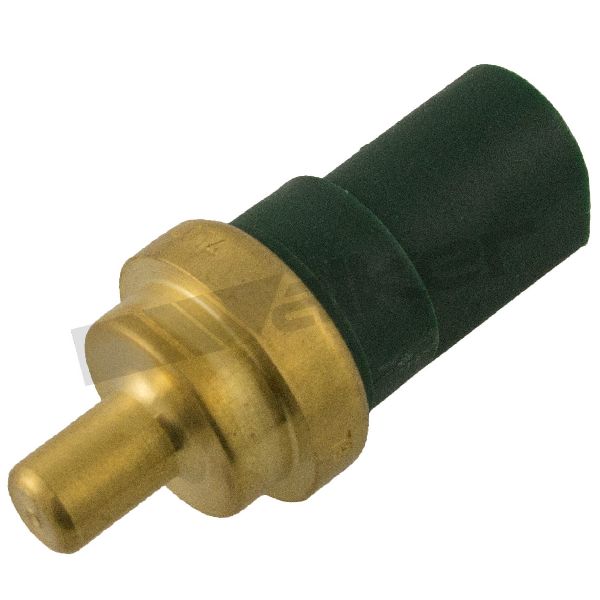
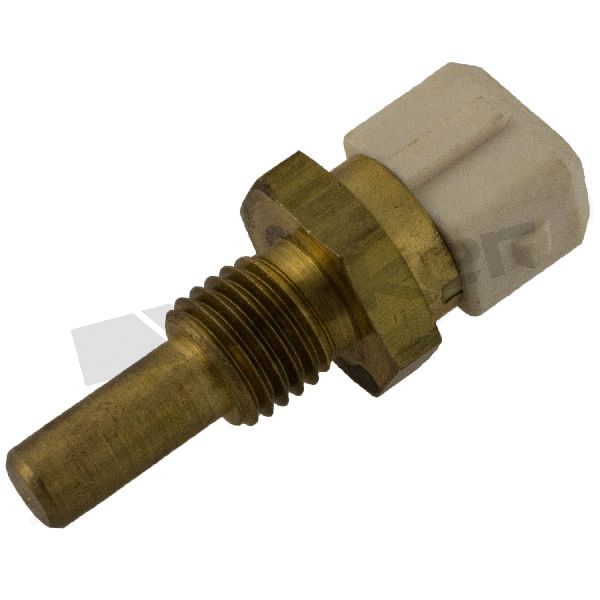
| Economy | Motorad, Walker Products, various store brands | While the most affordable, these can be a gamble. For a critical sensor like the ECT, saving a few dollars here may lead to issues down the road. Use with caution. |
Pro Tip: Get the Green Sensor
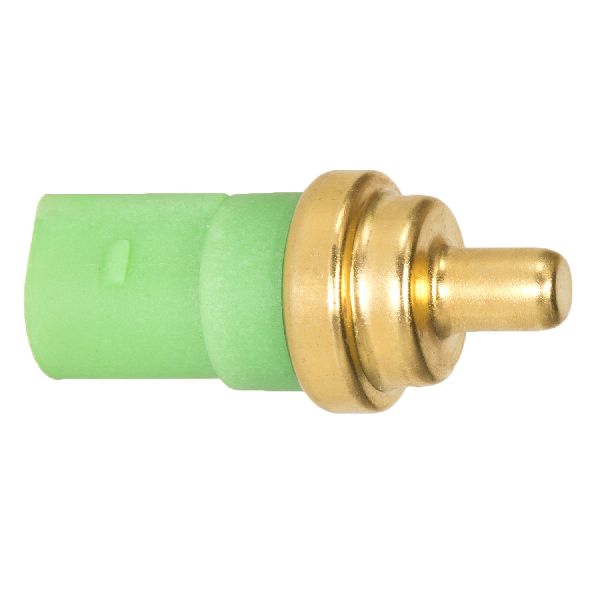
For B5 and B6 models, the original sensors were often black or blue and were prone to failure. The updated OEM and quality aftermarket replacement is a 4-pin green sensor (Part No. 059919501A). This revised part is more durable. Always replace the o-ring and retaining clip at the same time.
Known Issues, Recalls, and TSBs
While the failure of the coolant temperature sensor is a widely known issue among Audi S4 owners and mechanics, there have been no official safety recalls or Technical Service Bulletins (TSBs) issued specifically for this part on the 1992-2003 models. The problem is considered a common maintenance and repair item due to the age of the vehicles and the original part's design. The high failure rate led Audi to update the part to the more robust green version.
Frequently Asked Questions
Can I replace the coolant temperature sensor myself?
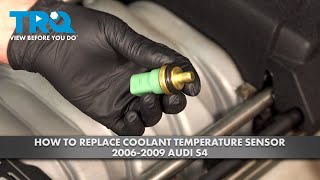
For B5 S4 (2.7T) owners, yes, absolutely. The job is very simple, requires minimal tools, and can be done in under 15 minutes. 🎬 See this quick walkthrough for replacing the B5 S4 sensor. For B6 S4 (4.2L V8) owners, it is a much more difficult job due to the sensor's location and is not recommended for beginners. C4 S4 owners will find the difficulty is moderate.
Do I need to drain all my coolant to replace the sensor?
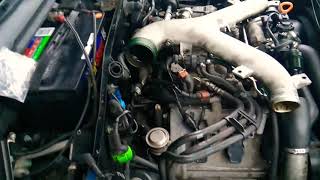
No. You will lose a small amount of coolant when you pull the old sensor out. The trick is to have the new sensor, with its new o-ring, ready to go. Work quickly when the engine is cold, pull the old sensor, and immediately plug the hole with the 🎬 Watch a mechanic demonstrate the sensor swap on a 2002 S4. new one. You may need to top off the coolant reservoir afterward.
My old sensor was black/blue, but the new one is green. Is this correct?
Yes. For the B5 and B6 models, the green sensor is the updated, more reliable version that supersedes the older black and blue ones. It is the correct replacement part.
What are the OEM part numbers I should look for?
Cross-referencing an OEM part number is the best way to ensure you get the right part. Key numbers are:
- B5 (2.7T) & B6 (4.2L) 4-Pin Sensor: 059919501A (also replaces 078919501C)
- C4 (2.2T) Sensor: 034919369C
- O-Ring: N90316802
- Retaining Clip: 032121142
Helpful Videos

Technical Specifications
OEM Part Numbers: 059919501A 078919501C 034919369C N90316802 (O-Ring) 032121142 (Clip)
Typically a 4-pin sensor for B5/B6 models and a 3 or 4-pin sensor for C4 models. The sensor uses an NTC (Negative Temperature Coefficient) design to measure temperature. The updated B5/B6 sensor is green and has a D-shaped connector.
We Have This Part in Stock


The information in this article is provided for general reference and educational purposes only. Vehicle specifications, procedures, and part compatibility can vary by production date, trim level, and region. Always consult your vehicle's factory service manual and verify part numbers before purchasing or performing repairs. Safety-critical components such as airbags, seat belts, and braking systems should be installed by a qualified professional.
- Audi S4:
- 🎬 Helpful Videos
- 🛍️ Shop This Part
- Understanding Your S4's Coolant Temp Sensor
- Critical: Identify Your S4 Generation First!
- Choosing the Right Aftermarket Sensor
- Pro Tip: Get the Green Sensor
- Known Issues, Recalls, and TSBs
- Frequently Asked Questions
- Can I replace the coolant temperature sensor myself?
- Do I need to drain all my coolant to replace the sensor?
- My old sensor was black/blue, but the new one is green. Is this correct?
- What are the OEM part numbers I should look for?
- 🎟️ Get 5% Off