

Ford Explorer Horn Replacement and Upgrade Guide (1992-2003)
If your Ford Explorer's horn has gone silent, this guide explains the common causes and how to choose the right replacement part.
- Always check the fuse and listen for a relay 'click' before buying parts.
- The horn is located in the driver's side wheel well, making corrosion a common point of failure.
- Replacement is a simple DIY job that requires removing the wheel and fender liner.
- Aftermarket brands like Hella can offer a significant sound and durability upgrade over the stock horn.
Is Your Explorer's Horn Not Working? Here's What to Check First
A silent horn is a common issue on older vehicles like the 1992-2003 Ford Explorer. Before you assume the horn itself is broken, there are a few simple things to check. The problem is often electrical. The most common causes for a horn failure are a blown fuse, a bad relay, a faulty horn switch in the steering wheel, or the horn unit itself failing.
A good first step is to listen for a 'click' sound from the fuse box area when you press the horn.
- If you hear a click: The relay is likely working. The problem is probably the horn unit itself, a bad ground connection, or corroded wiring leading to the horn.
- If you don't hear a click: The issue is likely before the horn in the electrical path. Check the horn fuse first, then the relay. If those are good, the problem could be the clock spring in the steering column.
Known Issues for 1992-2003 Ford Explorer Horns
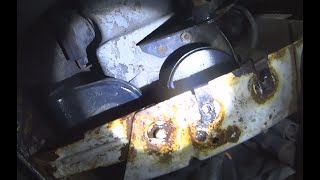
While no official recalls or Technical Service Bulletins (TSBs) exist for the horn on this generation of Explorer, owners on forums frequently report a specific problem. The horns are located in the driver's side front wheel well, an area exposed to water, salt, and road debris. This leads to corrosion on the electrical connectors and the horn itself, which is a very common cause of failure. When replacing the horn, applying dielectric grease to the new connector is a good preventative measure.
Choosing the Right Aftermarket Horn
When shopping for a new horn, you have a few quality tiers to choose from. Unlike some parts where OEM is always best, an aftermarket horn can be a significant upgrade.
Brand Quality Tiers:
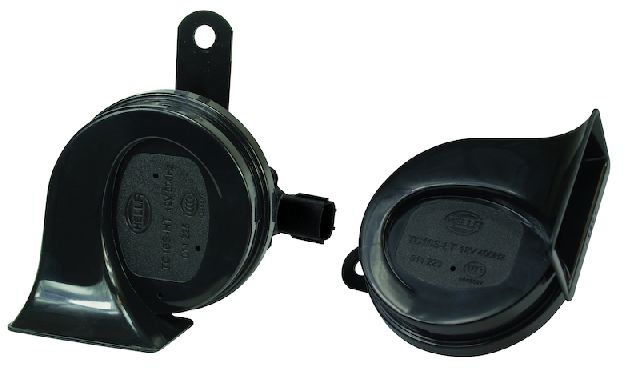
- Premium Upgrade (Hella): Hella is a well-regarded German brand known for producing horns that are louder, have a more distinct tone, and are more durable than factory units. If you want to be heard clearly and want a long-lasting part, Hella is an excellent choice. They often come in high-tone, low-tone, or matched sets.
- Standard Replacement (Standard Ignition): Standard Motor Products is a trusted name in aftermarket parts that provides a reliable, direct-fit replacement. This is a great option if you just want to restore the original horn function with a quality part that performs like the original.
- Budget-Friendly (Replacement): These are value-oriented brands that offer the most affordable way to get your horn working again. While they will pass a safety inspection, they may not offer the same sound quality or long-term durability as premium or standard brands.
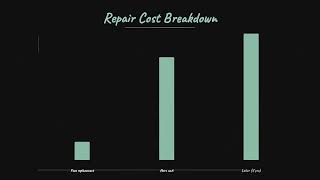
| Part Type | Price Range |
|---|---|
| New Aftermarket Horn | $36.29 - $71.84 |
| New OEM Ford Horn | $55 - $60 |
| Shop Labor | $152 - $222 |
| Total Professional Replacement | $207 - $281 |
Pro Tip: Replacing the Horn Yourself
Replacing the horn on a '92-'03 Explorer is a very manageable DIY job. It's located behind the inner fender liner in the driver's side wheel well. The process involves safely jacking up the vehicle, removing the front wheel, removing a few clips and screws to pull back the plastic liner, and then unbolting the old horn and plugging in the new one. This can save you over $150 in labor costs.
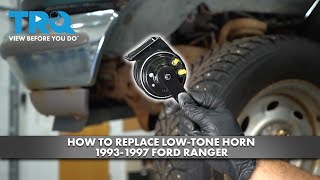
🎬 See this step-by-step walkthrough for replacing your Explorer's horn.Frequently Asked Questions
Why did my Ford Explorer horn suddenly stop working?
The most common reasons are a blown fuse, a bad horn relay, or the horn unit itself has failed due to age or corrosion. Always check the fuse and relay first as they are the easiest and cheapest parts to fix.
Is it difficult to replace the horn myself?
No, it is considered an easy repair for a DIYer. Access is gained by removing the driver's side front wheel 🎬 Watch a similar horn replacement on a Ford Ranger. and pulling back the fender liner. Basic hand tools are all that's required.
I hear a clicking noise when I press the horn, but it doesn't honk. What's wrong?
A clicking sound usually means the horn relay is working correctly. The problem is most likely a failed horn unit or a bad electrical connection or ground at the horn itself. Given the location, corrosion is a strong possibility.
Are aftermarket horns better than the original Ford horn?
In many cases, yes. A premium aftermarket brand like Hella can be louder, more durable, and have a better tone than the stock horn. A standard replacement will perform similarly to the original part.
Where is the horn located on a 1992-2003 Explorer?
You will find the horn assembly mounted in the front driver's side wheel well, behind the plastic fender liner.
Helpful Videos
Technical Specifications
OEM Part Numbers: 1L2Z-13832-AA 1L2Z-13832-AB
Most 1992-2003 Ford Explorers use a dual-horn setup, with a high-tone and a low-tone horn. They are typically sold individually. The system operates on the vehicle's 12V electrical system.
We Have This Part in Stock


The information in this article is provided for general reference and educational purposes only. Vehicle specifications, procedures, and part compatibility can vary by production date, trim level, and region. Always consult your vehicle's factory service manual and verify part numbers before purchasing or performing repairs. Safety-critical components such as airbags, seat belts, and braking systems should be installed by a qualified professional.
- Ford Explorer: