

Lexus ES300 (1992-2003) Automatic Transmission Output Speed Sensor Guide
Experiencing a jumpy speedometer or harsh shifting in your ES300? Your output speed sensor might be the culprit.
- A faulty output speed sensor is a common cause of a P0500 code, erratic speedometer, and harsh shifting on the 1992-2003 ES300.
- Before replacing the sensor, inspect the plastic driven gear for wear, as this can be the actual point of failure.
- The original equipment manufacturer is Aisin; choosing an Aisin or other premium aftermarket brand like NGK or Standard is recommended for reliability.
- Replacement is a simple, DIY-friendly job located on top of the transmission that takes less than an hour.
Is Your ES300 Speed Sensor Failing?
A bad output speed sensor on a 1992-2003 Lexus ES300 can cause several noticeable and frustrating problems. Because the sensor provides critical speed data to the speedometer, transmission, and cruise control, its failure impacts all these systems. You will likely see a combination of these issues, which will often trigger the 'Check Engine' light.
Diagnosing the P0500 Code
The most common trouble code associated with a failing output speed sensor is P0500. This code specifically points to a malfunction in the Vehicle Speed Sensor 'A' circuit. While the code points to the sensor, it's important to know that a few different issues can trigger it on this specific vehicle:
- The Sensor Itself: The electronic sensor on the transmission is the most common failure point.
- The Driven Gear: The sensor is spun by a small plastic gear. This gear can wear out or have its teeth stripped, which means a new sensor won't fix the problem. Always inspect this gear.
- Instrument Cluster: In some cases, a faulty instrument cluster (speedometer head) can prevent the speed signal from being processed correctly, leading to a P0500 code even if the sensor is good.
- Wiring Issues: Damaged wires or corroded connectors between the sensor and the computer can also cause a loss of signal.
Common Ordering Mistake
Your ES300 has multiple speed sensors. The P0500 code refers to the main vehicle speed sensor (VSS) on the transmission, not the ABS wheel speed sensors at each wheel. Ensure you are diagnosing and ordering the correct part.
Choosing the Right Aftermarket Sensor for Your ES300
When it comes to electronic sensors, quality matters. While you can save money with aftermarket parts, choosing the wrong brand can lead to premature failure and the same problems returning. Here’s a breakdown of your options:
Tier 1: OEM & Premium Aftermarket
This is the safest and most reliable choice. The original factory sensor was made by Aisin. Choosing an Aisin-branded sensor is the closest you can get to original quality without the dealership price tag. Other top-tier brands like NGK/NTK and Standard Ignition (non 'T-Series') are also known for producing reliable sensors that meet or exceed OEM specifications. Expect to pay more, but the reliability is worth it for most owners.
Tier 2: Quality Aftermarket
Brands like Dorman and SKP offer direct-fit replacements that are widely available. They are a popular choice for DIY repairs and generally offer good value. While they may not have the same long-term track record as Aisin or NGK, they are a significant step up from the cheapest online options and often come with a good warranty.
Tier 3: Budget-Friendly
The lowest-priced sensors are widely available online. While the low cost is tempting, these parts have a higher risk of being dead-on-arrival or failing quickly. If your budget is extremely tight, they can get the car running, but it's often a 'you get what you pay for' situation. It may be wiser to invest in a better part to avoid doing the job twice.
Pro Tip: Check the Gear!
Before installing your new sensor, carefully inspect the plastic driven gear on the old sensor. If its teeth are worn or damaged, you must replace it. Some new sensors do not include this gear, and you may need to transfer it from the old part.
Cost Comparison for ES300 Output Speed Sensor
| Part Type | Estimated Cost |
|---|---|
| New OEM (Lexus) | $210 - $310 |
| New Aftermarket (Premium) | $75 - $130 |
| New Aftermarket (Standard) | $68.95 - $208.65 |
| Shop Labor | $100 - $180 |
Frequently Asked Questions (FAQ)
Where is the output speed sensor located on the 1992-2003 ES300?
The main output speed sensor is located on the top of the automatic transaxle case. You can typically see it by looking down between the engine and the firewall, near the throttle body area. It is held in place by a single 10mm or 12mm bolt.
Can I replace the ES300 speed sensor myself?
Yes, this is a very DIY-friendly job for most home mechanics. Accessing the sensor may require removing the air intake housing for better clearance. The sensor is secured by one bolt and an electrical connector, making for a quick replacement that usually takes less than an hour.
What happens if I don't replace a bad speed sensor?
While the car is often still drivable, ignoring a bad sensor is not recommended. You will experience continued poor and harsh shifting, which can cause extra wear and tear on your transmission over time. You will also have no working speedometer or cruise control, which can be a safety issue.
Are there two speed sensors on the transmission?
Yes, on many of these models, there are two similar-looking sensors on top of the transmission. The main vehicle speed sensor (VSS) is the one typically responsible for the speedometer reading and the P0500 code. If you are unsure, it's best to have the code professionally diagnosed to ensure you replace the correct sensor.
Technical Specifications
OEM Part Numbers: 83181-12040 89413-08020 89411-33010 89413-24010
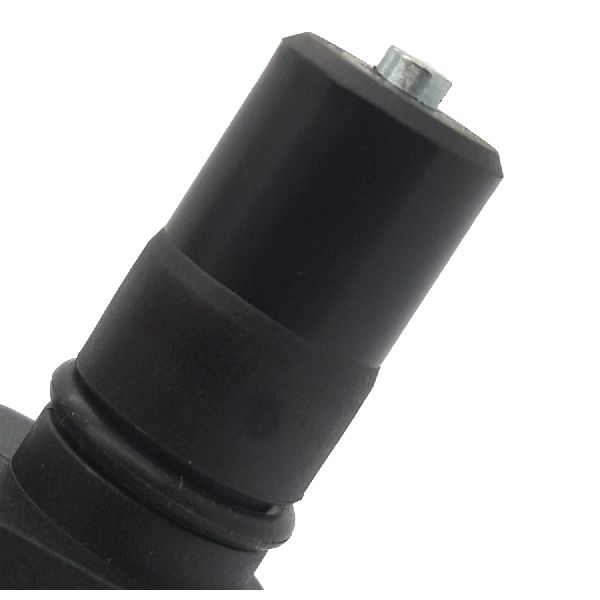
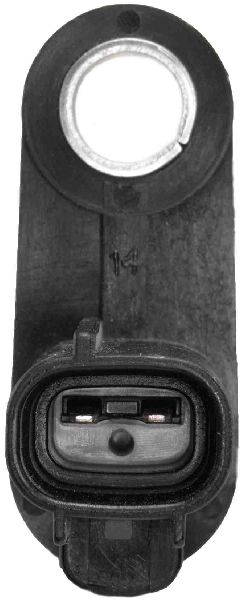
The main output speed sensor is located on the top of the automatic transaxle and is held in place by a single bolt. It uses an electronic pickup to read the rotation of a plastic driven gear.
We Have This Part in Stock


The information in this article is provided for general reference and educational purposes only. Vehicle specifications, procedures, and part compatibility can vary by production date, trim level, and region. Always consult your vehicle's factory service manual and verify part numbers before purchasing or performing repairs. Safety-critical components such as airbags, seat belts, and braking systems should be installed by a qualified professional.
- Lexus ES300:
- 🛍️ Shop This Part
- Is Your ES300 Speed Sensor Failing?
- Diagnosing the P0500 Code
- Common Ordering Mistake
- Choosing the Right Aftermarket Sensor for Your ES300
- Tier 1: OEM & Premium Aftermarket
- Tier 2: Quality Aftermarket
- Tier 3: Budget-Friendly
- Pro Tip: Check the Gear!
- Cost Comparison for ES300 Output Speed Sensor
- Frequently Asked Questions (FAQ)
- 🎟️ Get 5% Off