

A Lexus Owner's Guide to the 1992-2003 ES300 Catalytic Converter
Everything you need to know before replacing the catalytic converter on your Lexus ES300.
- Always diagnose and fix underlying engine problems like misfires or bad O2 sensors before replacing the converter.
- The 1997-2003 ES300 is very sensitive; cheap aftermarket converters will likely cause the P0420 code to return.
- For best results with an aftermarket part, choose a reputable brand like MagnaFlow or Walker, and consider a CARB-compliant model even if not required by your state.
- The rear converter (Bank 1) is very difficult to access, making replacement a challenging job with a high potential for seized bolts.
Is Your ES300 Catalytic Converter Failing?


A failing catalytic converter is a common issue on older cars like the 1992-2003 Lexus ES300. The most frequent sign is a Check Engine Light with a P0420 or P0430 code. You might also notice your car feels sluggish, especially when accelerating from a stop. Other symptoms include bad gas mileage, a rattling sound from under the car, or a smell like rotten eggs from the exhaust.
🎬 See the top 10 symptoms of a failing catalytic converterFirst, Check Other Problems
Catalytic converters usually don't fail on their own. They are often destroyed by another problem with the engine. Before you spend money on a new converter, make sure your engine is running right. 🎬 Watch: How to diagnose a bad converter on your Lexus Common issues that kill converters include bad oxygen sensors, engine misfires, or oil leaking into the exhaust from old valve cover gaskets. If you don't fix the root cause, you will ruin your new converter quickly.
Choosing the Right Aftermarket Converter for Your ES300

When shopping for a new converter, you'll see Original Equipment (OEM) and aftermarket parts. OEM parts from Lexus are very expensive but are guaranteed to work correctly. Aftermarket parts are much more affordable, but the quality can vary a lot. For the ES300, especially the 1997-2003 models with more sensitive computers, choosing a quality aftermarket part is critical to keep the check engine light off.
Aftermarket Brand Tiers
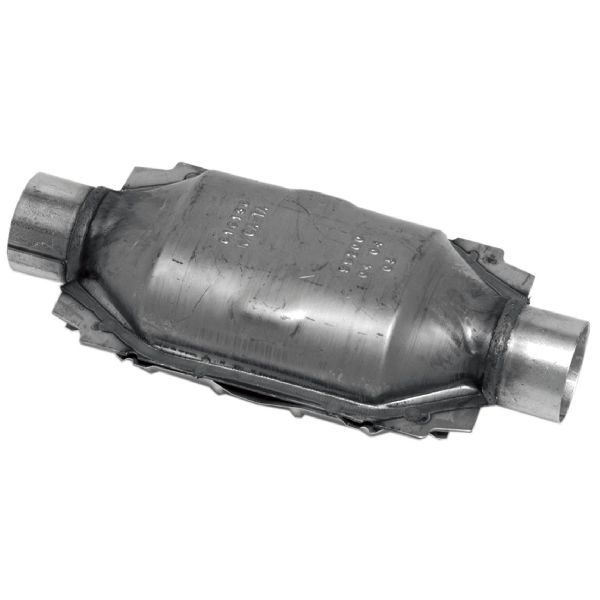
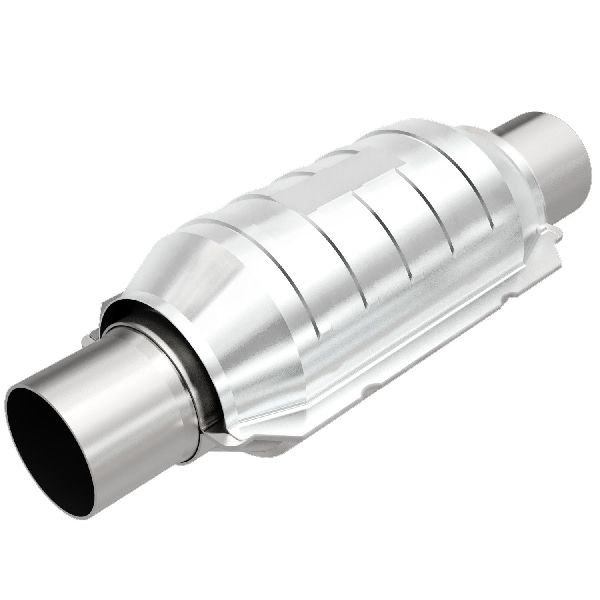
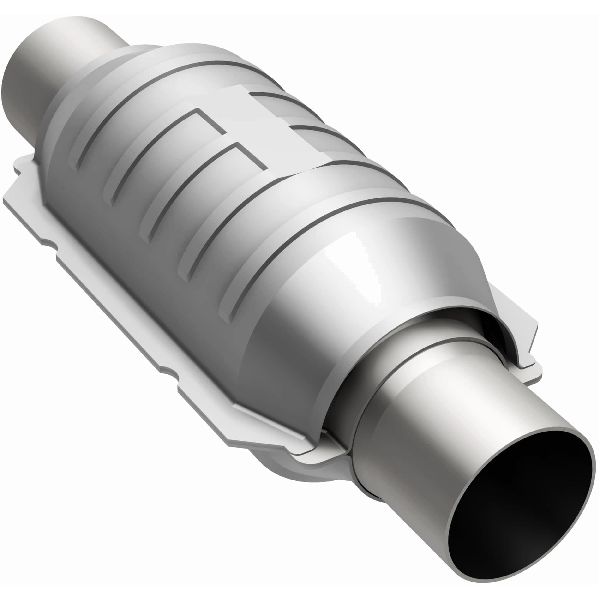
- Premium Aftermarket (MagnaFlow, Walker): These brands are well-known and generally trusted by mechanics. MagnaFlow is often praised for its performance and build quality. Walker is a major OEM supplier and known for good fitment, though some users report rust issues after several years. These are your best bet for a reliable, long-lasting aftermarket solution.
- Standard Aftermarket (AP Exhaust, Eastern Catalytic): These brands offer a more budget-friendly option. However, owner reviews are mixed. Some have had success, while others report parts that don't fit perfectly or fail within a year. These can be a gamble.
- Economy Brands (Evan Fischer, various online sellers): Very cheap converters often lack the amount of precious metals needed to work properly on a Lexus. They are very likely to cause the P0420 check engine light to come back within a few months and are not recommended for this vehicle.
Federal (EPA) vs. CARB-Compliant Converters
You will see converters listed as Federal (or EPA) compliant and CARB-compliant. CARB-compliant converters are required for cars registered in California, Colorado, New York, and Maine. They contain more precious metals and are built to a higher standard. Even if your state doesn't require a CARB converter, choosing one for your ES300 is a smart idea. The higher quality makes them much more likely to work with your car's sensitive computer and prevent the check engine light from returning.
ES300 Catalytic Converter Cost
The cost depends on the brand and whether you do the work yourself or hire a shop. Your ES300 has multiple converters, including two main units integrated with the exhaust manifolds. The prices below reflect the cost for a single converter assembly.
| Part Type | Estimated Cost |
|---|---|
| New OEM (from Lexus) | $500 - $1,200+ |
| New Aftermarket (CARB-Compliant) | $400 - $1,400+ |
| New Aftermarket (Federal/EPA) | $150 - $450 |
| Shop Labor | $300 - $750 |
Frequently Asked Questions

How many catalytic converters does a 1992-2003 ES300 have?
The V6 engine has two main catalytic converters built into the exhaust manifolds—one on the front (Bank 2) and one on the rear (Bank 1) of the engine. Some models may also have a third, smaller converter located further down the exhaust system under the car.
Why is the P0420 code so common on these cars?
The code P0420 (Catalyst Efficiency Below Threshold) is common because the car's computer (ECU) is very sensitive, especially on 1997 and newer models. It constantly checks the converter's performance. As the converter ages, or if a cheap aftermarket part is used, its efficiency can drop just enough to trigger the light, even if it still passes an emissions test.
Can I replace just one converter?
Yes. The error code will tell you which side has failed (P0420 is for Bank 1, P0430 is for Bank 2). However, if one has failed due to age and high mileage, the other is likely not far behind. If you are paying for labor, it may be cost-effective to replace both at the same time.
Is replacing the converter a DIY job?
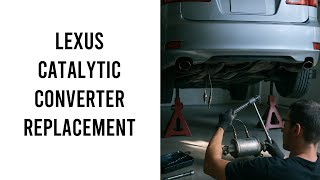
It can be, but it is difficult. The front converter (Bank 2) is easier to reach. The rear converter (Bank 1) is extremely tight to access against the firewall. 🎬 Watch this walkthrough of an ES300 catalytic converter replacement You will likely deal with very rusty and seized bolts that can easily break. This job is best for experienced DIY mechanics with the right tools, like breaker bars and penetrating oil.
Helpful Videos
Technical Specifications
OEM Part Numbers: 1741020050 1741020160 25052-20090
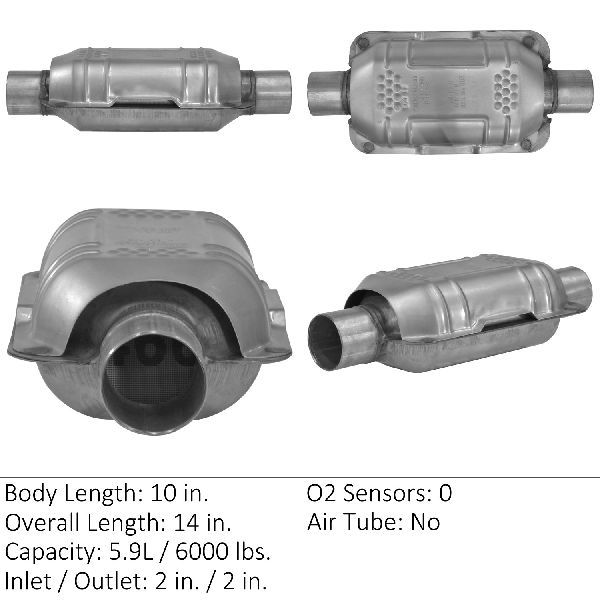
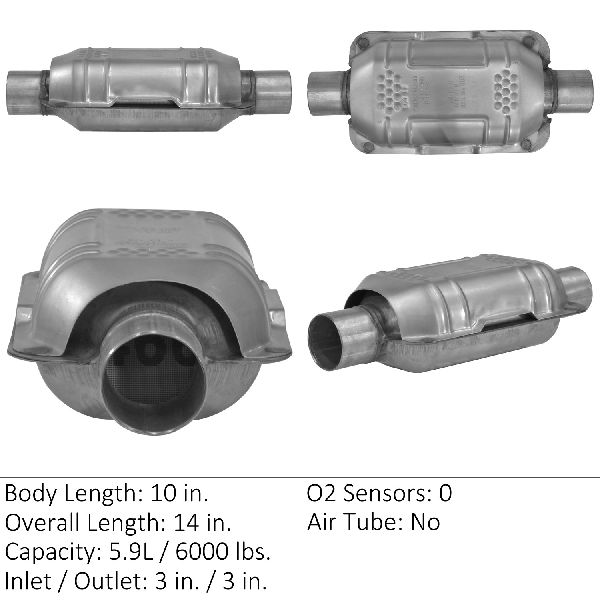
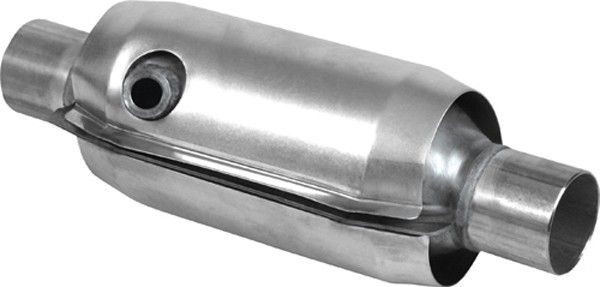
The 1992-2003 Lexus ES300 uses a V6 engine with two primary catalytic converters integrated into the exhaust manifolds (manifold converters), one for each cylinder bank. Later models are OBD-II compliant and require a high-efficiency converter to prevent check engine light issues. Direct-fit replacements are available, which are designed to bolt into the factory location without welding.
We Have This Part in Stock

The information in this article is provided for general reference and educational purposes only. Vehicle specifications, procedures, and part compatibility can vary by production date, trim level, and region. Always consult your vehicle's factory service manual and verify part numbers before purchasing or performing repairs. Safety-critical components such as airbags, seat belts, and braking systems should be installed by a qualified professional.
- Lexus ES300:
- 🎬 Helpful Videos
- 🛍️ Shop This Part
- Is Your ES300 Catalytic Converter Failing?
- First, Check Other Problems
- Choosing the Right Aftermarket Converter for Your ES300
- Aftermarket Brand Tiers
- Federal (EPA) vs. CARB-Compliant Converters
- ES300 Catalytic Converter Cost
- Frequently Asked Questions
- 🎟️ Get 5% Off