

Choosing the Right Aftermarket Brake Pads for Your 1992-2003 Lexus ES300
Get the quiet, smooth stopping power your Lexus was known for with the right set of new brake pads.
- For an OEM-like quiet ride and low dust, choose ceramic pads from brands like Akebono or Advics.
- Always verify fitment for your specific year, as brake components differ between the 1992-1996, 1997-2001, and 2002-2003 generations.
- It is highly recommended to replace or resurface your brake rotors at the same time as the pads to ensure smooth, quiet braking.
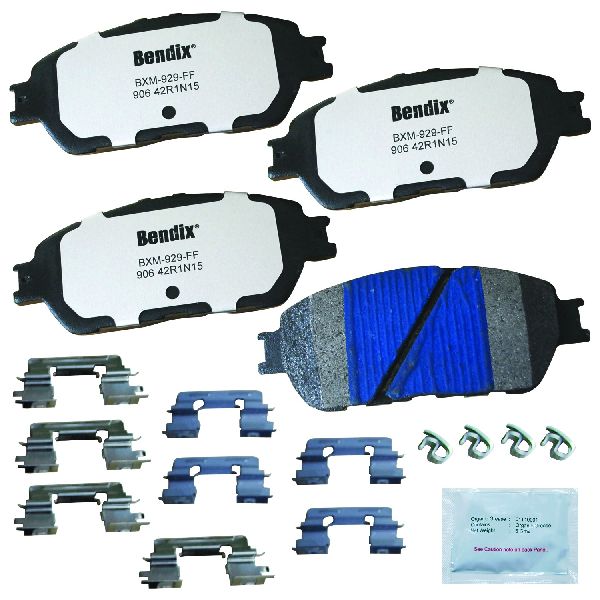
- Always use the new hardware (clips and shims) included with your pads and ensure caliper slide pins are cleaned and lubricated for proper function.
Is it Time for New Brake Pads?
Your Lexus ES300 will give you clear signs when the brake pads are wearing thin. Ignoring them can lead to more expensive repairs down the road. Look out for these common symptoms.
Common Failure Symptoms
- Squealing or Grinding Noises: A high-pitched squeal when you brake is often the first sign. It comes from a small metal tab called a wear indicator. If you hear a deeper grinding sound, it means the pads are completely worn out and metal is grinding against metal. This is a critical safety issue.
- Spongy or Soft Brake Pedal: If your brake pedal feels softer than usual or goes closer to the floor, it could mean the pads are worn or there are issues in the brake system like air in the lines. Some owners have reported a spongy pedal feel as the pads wear down.
- Vibration When Braking: A shaking steering wheel or pulsating brake pedal when you stop, especially from higher speeds, often points to warped brake rotors. Rotors should always be inspected and often replaced at the same time as your brake pads.
- Longer Stopping Distances: If you notice your car takes longer to stop than it used to, your brake pads are likely worn and not creating enough friction.
OEM vs. Aftermarket Pads for Your ES300
Lexus originally equipped the ES300 with high-quality pads that prioritized a quiet, smooth stop with minimal dust. Many aftermarket brands can meet or even exceed this quality, often for a lower price. The key is choosing the right brand and material.
For the ES300, the original equipment (OEM) suppliers were often Advics and Akebono. Choosing pads from these brands is the closest you can get to the original factory parts. Aftermarket pads come in different materials, but ceramic pads are the most popular choice for maintaining the ES300's luxury feel. They are known for being quiet, low-dust, and rotor-friendly.
Choosing the Right Aftermarket Brand
With so many brands available, it can be hard to choose. Here’s a breakdown to help you decide based on quality and common owner experiences.
Brand Tiers for Your Lexus ES300
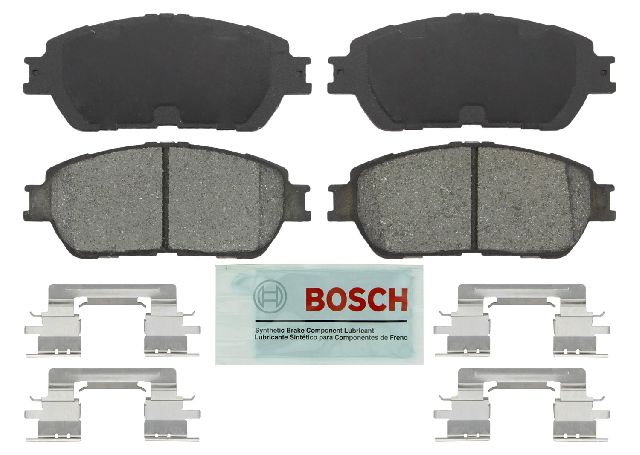
- OEM-Equivalent & Premium: Brands like Akebono and Advics are often the original suppliers for Lexus. They offer pads that restore the factory feel. Akebono's ProACT line is a highly recommended ceramic pad for its quiet operation and low dust. Other top-tier brands include Brembo, Bosch, and Raybestos (Element3 line).
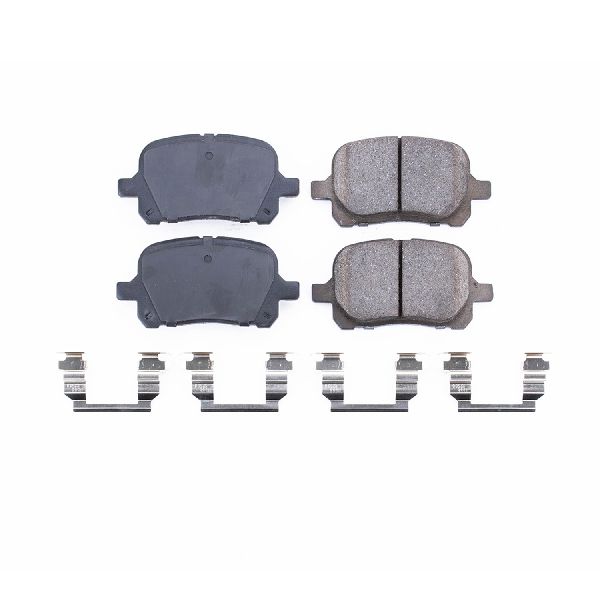
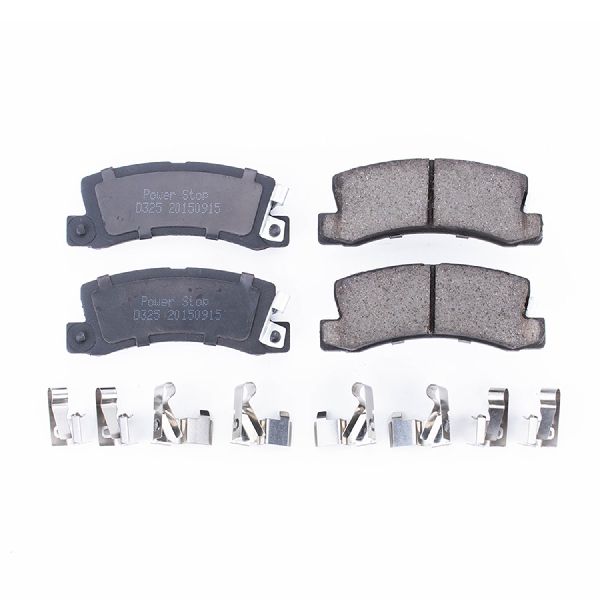
- Performance/Value: Brands like Powerstop offer complete kits with pads and rotors that are popular for daily driving upgrades. Their Z17 and Z23 series are common choices, offering good performance for the price, though some users report they can be harder on rotors. Wagner also offers quality pads that are a good balance of performance and price.
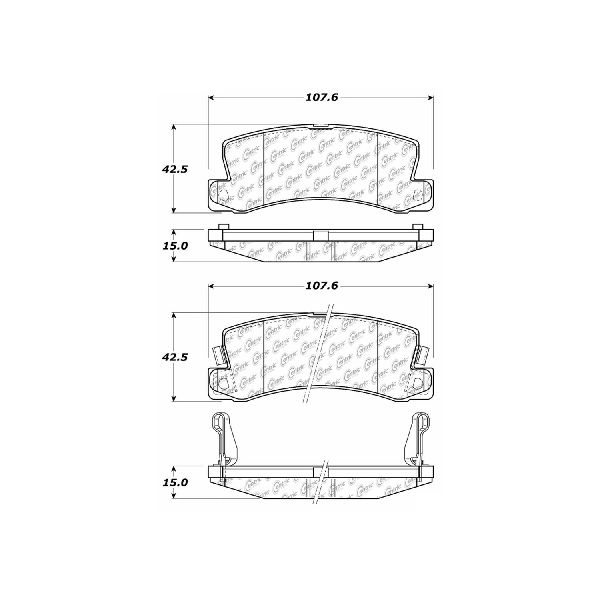
- Budget-Friendly: Brands like Centric, Dynamic Friction, and Pronto offer reliable, standard replacement pads that get the job done without the higher cost of premium brands. Centric's premium coated rotors are also a popular choice among Lexus owners.
Generation and Fitment Notes
The 1992-2003 Lexus ES300 spans three vehicle generations, and there are differences in the brake systems. It is critical to order the correct pads for your specific year.
- 2nd Gen (1992-1996): Based on the XV10 Camry chassis.
- 3rd Gen (1997-2001): Based on the XV20 Camry chassis.
- 4th Gen (2002-2003): The first years of the XV30 chassis.
Always verify the part fits your exact year, as front and rear pads are different, and parts may not interchange between these generation breaks.
Known Issues, Recalls, and TSBs
While there are no recalls specifically for the brake pads on the 1992-2003 ES300, some related issues have been noted.
- Recalls: A recall was issued for some 2002 ES300 models for a front brake tube that could be damaged and leak fluid. Another recall for 1997 models concerned a vacuum hose issue that could increase stopping distances.
- TSBs: Technical Service Bulletins (TSBs) were released for the 2003 model year related to front brake vibration and front brake component identification. This indicates that if you experience vibration, updated parts or procedures might be available.
- Common Problems: Owners have sometimes reported a spongy brake pedal or noise issues. These problems can often be traced to seized caliper slide pins or air in the brake lines, not just the pads themselves. Ensuring slide pins are cleaned and lubricated during a brake job is crucial.
| Pad Type | Price Range |
|---|---|
| Budget Aftermarket (e.g., Centric, Pronto) | $25 - $50 |
| Premium Aftermarket (e.g., Akebono, Bosch, Powerstop) | $50 - $120 |
| Performance Aftermarket (e.g., EBC Brakes, Hawk) | $120 - $185+ |
Frequently Asked Questions
Should I replace my rotors at the same time as my pads?
It is highly recommended. New pads on old, worn, or warped rotors can lead to noise, vibration, and reduced brake performance. At a minimum, rotors should be inspected for thickness and smoothness. Many owners choose to replace rotors and pads together as a kit for best results.
What's the difference between ceramic and semi-metallic pads for my ES300?
Ceramic pads are the best choice for most ES300 owners looking to maintain the car's quiet, comfortable ride. They produce less dust and noise than other types. Semi-metallic pads can offer slightly better bite in aggressive driving but are often noisier and produce more dark-colored dust.
Do I need to replace the shims and hardware?
Yes. Always use the new hardware (clips and shims) that comes with your new brake pad set. Reusing old hardware can cause noise and improper pad movement. If your chosen pads don't include shims, it's best to purchase them separately or choose a kit that does.
Is replacing brake pads a DIY job?
For a mechanically inclined person with the right tools, replacing brake pads and rotors on an ES300 is a very feasible DIY job. There are many online video guides available. However, brakes are a critical safety system, so if you have any doubts, it's best to have the work done by a professional mechanic.
Technical Specifications
OEM Part Numbers: 04465-33270 04465-AZ215 04466-33200
Brake pad material is the most important specification. For the ES300, ceramic pads are recommended to maintain the original low-noise, low-dust characteristics. Ensure the pads you purchase are specified for the front or rear axle and match your vehicle's exact model year.
We Have This Part in Stock

The information in this article is provided for general reference and educational purposes only. Vehicle specifications, procedures, and part compatibility can vary by production date, trim level, and region. Always consult your vehicle's factory service manual and verify part numbers before purchasing or performing repairs. Safety-critical components such as airbags, seat belts, and braking systems should be installed by a qualified professional.
- Lexus ES300: