

Lexus ES300 Engine Coolant Temperature Sensor Guide (1992-2003)
Solving rough idles, poor fuel economy, and check engine lights starts with the right temperature sensor.
- Your ES300 has separate sensors for the engine computer (two-wire) and the dash gauge (one-wire); verify which you need.
- Common symptoms of failure include a check engine light (P0115), poor gas mileage, and rough idling.
- Replacement is a simple DIY task that takes less than 30 minutes with a 19mm deep socket.
- Choosing a Denso or NGK aftermarket brand provides OEM quality at a much lower price.
Understanding the ECT Sensor in Your ES300


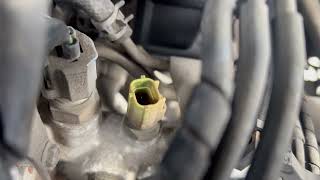
A failing Engine Coolant Temperature (ECT) sensor can cause a range of frustrating issues that might seem unrelated at first. Because the engine's computer relies heavily on this sensor's data, a bad signal can lead to poor performance and a check engine light. 🎬 See how a bad sensor causes poor engine idle. When the sensor fails, the computer often enters a "fail-safe" mode, assuming a fixed temperature (usually around 176°F or 80°C) which can cause problems.
Important: Your ES300 Has More Than One Temp Sensor
Before ordering, it is critical to know that 1992-2003 ES300 models have at least two different temperature sensors. Confusing them is the most common ordering mistake.
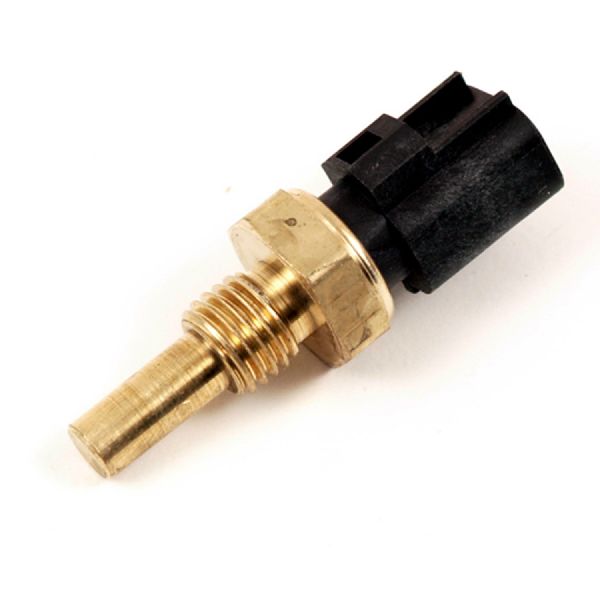
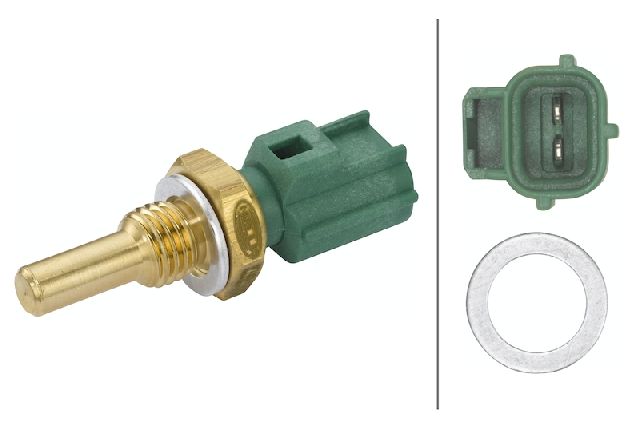
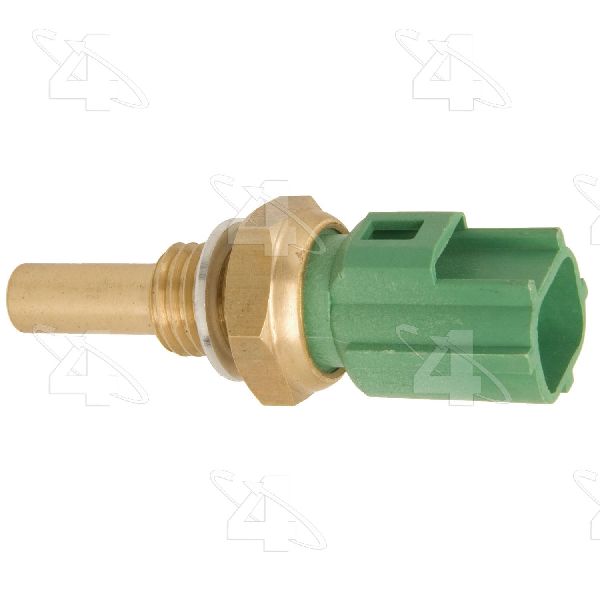
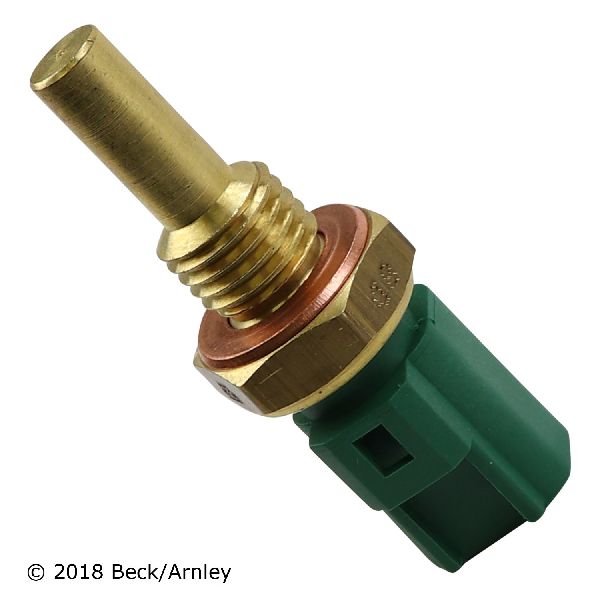
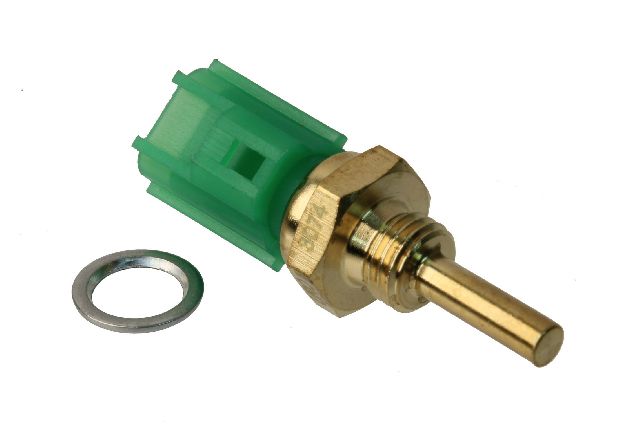
🎬 Watch this video to see the different sensor locations.- Engine Coolant Temperature (ECT) Sensor: This is for the engine computer (ECM). It has a two-wire electrical connector and a green plastic top. It directly affects engine performance and is responsible for codes like P0115, P0117, and P0118.
- Water Temperature Sender: This is for the temperature gauge on your dashboard. It typically has a single-wire connector. A failure here will only affect the gauge reading, not how the engine runs.
Always check the part on your vehicle before buying. This guide focuses on the two-wire ECT sensor that communicates with the engine computer.
Choosing the Right Aftermarket Sensor

For a vehicle like the 1992-2003 ES300, a high-quality aftermarket ECT sensor is a smart and cost-effective choice. The original parts were often made by Denso, so choosing an aftermarket Denso sensor is like getting the original part without the dealership price tag.
Aftermarket Brand Tiers
- Tier 1 (OEM Quality): Brands like NGK and Denso (if available) are often the original equipment manufacturers for Toyota and Lexus. Their quality and performance are identical to the part your car was built with.
- Tier 2 (Trusted Aftermarket): Brands such as Delphi, Standard Ignition, and Hella offer reliable performance and are a solid choice for this repair. Beck Arnley is a parts reseller that often packages OEM parts in their own box, making them a potentially good option as well.
- Tier 3 (Value-Oriented): Brands like Facet, Four Seasons, Global Parts, Holstein, Motorad, URO Parts, and Vemo provide a functional replacement at a lower cost. These are suitable for budget-conscious repairs, though they may not offer the same long-term durability as premium brands.
Cost Comparison
| Part Type | Typical Cost | Notes |
|---|---|---|
| New Aftermarket | $11 - $48 | Our inventory price range. Excellent value. |
| New OEM (Dealer) | $60 - $90+ | Often a Denso part in a Lexus box. |
| Shop Labor | $80 - $150 | Typically 0.5 to 1.0 hours of labor. |
Pro Tip: Replacing the ECT sensor is a simple DIY task that can be done in under 30 minutes with basic tools, saving you significant labor costs. The sensor is typically located on the driver's side of the engine and can be removed with a 19mm deep socket.
🎬 Watch a step-by-step walkthrough of the replacement process.Frequently Asked Questions (FAQ)

Can I drive with a bad ECT sensor?
Yes, but it's not recommended for long. Your engine will run in a fail-safe mode, leading to very poor fuel economy, increased emissions, and potential long-term damage to your catalytic converter from running too rich.
Why is my check engine light on with code P0115, P0117, or P0118?
These codes are directly related to the ECT sensor circuit. P0115 indicates a general circuit malfunction. P0117 means the sensor is sending a signal that is too low (short circuit), and P0118 means the signal is too high (open circuit). In most cases, replacing the sensor resolves these codes.
Is replacing the ECT sensor a DIY job?
Yes, for most people with basic tools. The job requires letting the engine cool completely, locating the sensor (often with a green connector), unplugging it, and unscrewing it with a 19mm deep socket. Some coolant will spill, so be prepared to catch it or top off the system afterward.
My temperature gauge is acting weird, but I have no check engine light. Is it this sensor?
Probably not. The temperature gauge on your dashboard is usually controlled by a separate, single-wire "temperature sender". The ECT sensor discussed here is a two-wire sensor that talks to the engine computer. If only your gauge is faulty, you need to replace the sender, not the ECT sensor.
Helpful Videos

Technical Specifications
OEM Part Numbers: 89422-35010 89422-20010
Connector: 2-wire, green plastic top. Tool needed: 19mm deep socket.
We Have This Part in Stock


The information in this article is provided for general reference and educational purposes only. Vehicle specifications, procedures, and part compatibility can vary by production date, trim level, and region. Always consult your vehicle's factory service manual and verify part numbers before purchasing or performing repairs. Safety-critical components such as airbags, seat belts, and braking systems should be installed by a qualified professional.
- Lexus ES300: