

Lexus ES300 Horn Not Working? A Guide for 1992-2003 Models
If your Lexus ES300 horn has gone silent, this guide will help you diagnose the problem and choose the right replacement part.
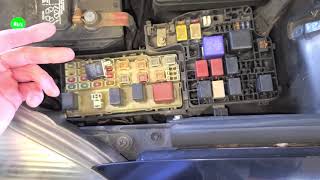
- Before buying a new horn, always check the 10A horn fuse and relay in the under-hood fuse box.
- The Lexus ES300 uses a dual-horn system (high and low pitch); failure of one will result in a weak sound.
- Replacement is a simple DIY job for most, requiring basic tools and access to the front of the vehicle behind the grille.
- Aftermarket horns from brands like Standard Ignition are a reliable and cost-effective alternative to expensive OEM parts.
Is Your Horn Really Broken? First Steps
Before you spend money on a new horn, it's important to check a few simple things. A silent horn is often caused by something other than the horn itself. Many owners find that the issue lies with a much simpler and cheaper component. A blown fuse or a faulty relay are the most common culprits.
Pro Tip: Always check the 10-amp horn fuse and the horn relay in the under-hood fuse box before assuming 🎬 Watch: How to find and test your horn fuse and relay. the horn itself has failed. You can often test the relay by swapping it with an identical one from a non-essential system (like the daytime running lights) to see if the horn starts working.
Common Symptoms of a Failing Horn
When a horn starts to fail on an older car like the ES300, the signs are usually straightforward. Keep an eye (and ear) out for these symptoms:
- No Sound: The most obvious symptom. You press the horn pad, and nothing happens. After checking the fuse and relay, the horn itself is the next logical part to inspect. 🎬 Watch: A guide to troubleshooting why your horn isn't working.
- Weak or Faint Sound: If the horn sounds muffled, quiet, or different than it used to, one of the two horns (high or low pitch) may have failed. It could also indicate a poor electrical connection or internal corrosion.
- Intermittent Operation: Sometimes the horn works, sometimes it doesn't. This often points to a loose connection, a failing relay, or a problem within the steering wheel's horn switch or clock spring. However, it can also be a sign of the horn assembly itself failing.
Choosing an Aftermarket Horn: OEM vs. Aftermarket
When it's time to replace your horn, you have a choice between Original Equipment Manufacturer (OEM) parts from Lexus and aftermarket parts. For a straightforward component like a horn on a 1992-2003 ES300, an aftermarket part is often a very practical and budget-friendly choice.
- OEM Horns: These will be identical to the part your car came with, ensuring the same sound and fit. However, they are typically the most expensive option.
- Aftermarket Horns: These are designed to meet or exceed the original specifications and are much more affordable. The main difference you might notice is a slight variation in the horn's tone compared to the original Lexus sound. Brands like Standard Ignition are well-known in the aftermarket and generally produce reliable parts. "Replacement" branded parts offer a solid value-oriented option for owners on a tighter budget.
Cost of Lexus ES300 Horn Replacement (1992-2003)
| Part Type | Estimated Cost |
|---|---|
| New Aftermarket Horn | $36 - $58 |
| New OEM Horn (Single) | $70 - $120+ |
| Shop Labor Cost | $60 - $135 |
Note: Prices are estimates and can vary based on location, supplier, and specific vehicle year. Labor costs are based on an estimated 0.5-1.0 hours of work at a typical independent shop rate.
Frequently Asked Questions
Where are the horns located on my 1992-2003 ES300?
The horns are located at the very front of the car, in the space between the radiator and the front grille. You can usually see them by looking through the grille. This location makes them relatively easy to access for replacement.
Will an aftermarket horn sound different than the original?
It might. While aftermarket horns are designed to be loud and effective, their tone may not be an exact match for the original Lexus horns. The ES300 uses a high and low tone horn together for a full sound; if you only replace one, the difference may be more noticeable. However, for most owners, the difference is minor and well worth the cost savings.
Do I need to replace both horns at the same time?
Not necessarily. If you test the horns and find that only one has failed, you can replace just that one. However, since they are the same age and have been exposed to the same conditions, the other one may not be far behind. Many owners choose to replace them as a pair to ensure a consistent sound and for peace of mind.
Is replacing the horn a difficult job?
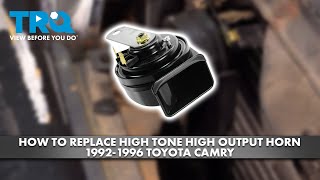
No, for most DIYers, this is a relatively easy job. It typically involves removing a few clips on the front plastic cover, unplugging the electrical connector, and removing a single 12mm bolt that holds the horn bracket. It usually 🎬 See this walkthrough on how to replace the horn assembly. requires basic hand tools and can be completed in under an hour.
Were there any recalls for the ES300 horn?
No, searches of the National Highway Traffic Safety Administration (NHTSA) database did not show any recalls specifically for the horn on the 1992-2003 Lexus ES300. Likewise, there are no common Technical Service Bulletins (TSBs) related to horn failure for this model range.
Helpful Videos
Technical Specifications
OEM Part Numbers: 86510-AA010 86520-AA010
System consists of two 12V electric horns: one high-pitched and one low-pitched. They are typically mounted behind the front grille.
We Have This Part in Stock


The information in this article is provided for general reference and educational purposes only. Vehicle specifications, procedures, and part compatibility can vary by production date, trim level, and region. Always consult your vehicle's factory service manual and verify part numbers before purchasing or performing repairs. Safety-critical components such as airbags, seat belts, and braking systems should be installed by a qualified professional.
- Lexus ES300: