

A Guide to Oxygen Sensors for the 1992-2003 Lexus ES300
Fix your check engine light and improve gas mileage by choosing the right oxygen sensor for your ES300.
- Denso is the original equipment brand; choosing Denso aftermarket parts is the safest bet for quality and compatibility.
- Identify the correct sensor before buying. Your ES300 has multiple sensors, and Bank 1 (firewall) and Bank 2 (radiator) are in different locations.
- The front sensor (Bank 2) is an easy DIY replacement, but the rear sensor (Bank 1) is very difficult to access.
- Ignoring a bad oxygen sensor will decrease gas mileage and can eventually damage your expensive catalytic converter.
Is Your Oxygen Sensor Failing?

A bad oxygen sensor is a common reason for a check engine light on the Lexus ES300. Besides the light, you might notice other problems. Don't ignore these signs, as a failing sensor can lead to more expensive repairs down the road, like a damaged catalytic converter.
Common Symptoms:
- Check Engine Light: The most obvious sign. Codes like P0135, P0141, P0155, or P0161 point directly to a sensor heater circuit failure.
- Poor Fuel Economy: If you're filling up more often, a bad sensor could be the cause. The engine may be running too rich, wasting fuel.
- Rough Idle or Misfires: The engine may run poorly, shake at idle, or hesitate when you accelerate.
- Failed Emissions Test: An O2 sensor is critical for emissions control. A bad one will almost guarantee a failed test.
- Rotten Egg Smell: This smell from the exhaust can indicate the engine is running too rich, a condition a bad O2 sensor can cause.
Choosing the Right Aftermarket Oxygen Sensor

When you shop for a new oxygen sensor, you'll see many brands. For your Lexus, the brand you choose matters.
Go with the OEM Manufacturer: DENSO
Denso is the Original Equipment Manufacturer (OEM) for most Toyota and Lexus vehicles of this era. This means the Denso sensor you buy from an aftermarket supplier is often the exact same part the dealer sells, just in a different box and for a lot less money. For guaranteed fit, performance, and longevity, Denso is the top recommendation among Lexus owners and mechanics.
Brand Tiers for Your ES300:
- Top Tier (Recommended): Denso, NTK (by NGK). These are OEM suppliers and offer the best quality and compatibility.
- Mid Tier: Bosch, Delphi. While Bosch is an OEM for many European cars, forum discussions show mixed results for Japanese vehicles like Lexus. They can be a decent alternative if Denso is unavailable, but Denso is preferred.
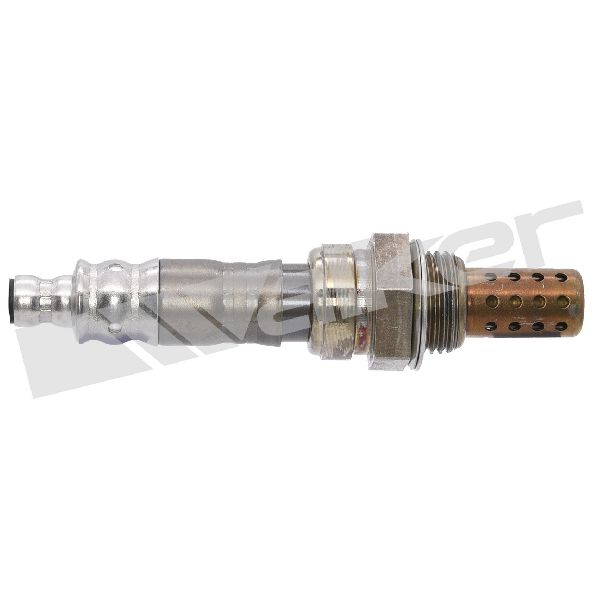
- Economy Tier: Walker, Spectra, DriveWire. These brands offer a budget-friendly option. They can work, but may not have the same lifespan or perfect performance as the OEM-tier brands.
Avoid Common Ordering Mistakes
Your ES300's V6 engine has multiple oxygen sensors. Ordering the wrong one is a common mistake. You must identify the exact sensor that has failed. The codes from an OBD-II scanner will tell you which one to replace.
- Bank 1 vs. Bank 2: On the ES300's transverse engine, Bank 1 is the cylinder bank against the firewall (rear), and Bank 2 is the bank near the radiator (front).
- Sensor 1 vs. Sensor 2: Sensor 1 is the upstream sensor, located before the catalytic converter. Later models may call this an Air/Fuel Ratio Sensor. Sensor 2 is the downstream sensor, located after the catalytic converter.
For example, code P0135 refers to Bank 1, Sensor 1 — the upstream sensor on the firewall side. This is the most difficult one to replace.
Cost of Replacing an ES300 Oxygen Sensor
The cost depends on the brand you choose and whether you do the work yourself. Labor costs at a shop for one sensor are typically around $75 - $125.
| Part Type | Price Range (Part Only) |
|---|---|
| New Aftermarket (Denso/NTK) | $90 - $170 |
| New Aftermarket (Other Brands) | $25 - $120 |
| Shop Labor (per sensor) | $75 - $125 |
| Total Shop Replacement (1 sensor) | $210 - $345 (approx.) |
Frequently Asked Questions

How many oxygen sensors does my 1992-2003 ES300 have?
It depends on the year. Models from 1996 onwards (OBD-II) typically have four sensors: two upstream (Bank 1 Sensor 1 and Bank 2 Sensor 1) and two downstream (Bank 1 Sensor 2 and Bank 2 Sensor 2). Pre-1996 models may have two or three.
What's the difference between an Oxygen Sensor and an Air/Fuel Ratio Sensor?
An Air/Fuel Ratio (A/F) sensor is a more advanced, wideband type of oxygen sensor used in the upstream (Sensor 1) position on many later-model ES300s. It provides more precise data to the engine computer for better fuel control. They are not interchangeable with standard O2 sensors.
Can I replace just one sensor?
Yes. You only need to replace the specific sensor that has failed and triggered the diagnostic trouble code. However, oxygen sensors have a limited lifespan (around 100,000 miles). If your car has high mileage and one fails, the others may not be far behind.
Is this a difficult DIY job?
It varies greatly by location. The front sensor (Bank 2, Sensor 1) is very easy to access and replace. The rear sensor (Bank 1, Sensor 1) against the firewall is very difficult, requiring you to work from underneath the car in a tight space. All sensors can be difficult to remove if they are rusted or seized in the exhaust pipe. You will need a special oxygen sensor socket.
Known Issues, Recalls, or TSBs
Searches of the National Highway Traffic Safety Administration (NHTSA) database and for Technical Service Bulletins (TSBs) did not find any specific recalls or widespread issue campaigns for oxygen sensors on the 1992-2003 Lexus ES300. Failures are typically due to normal aging and wear.
Helpful Videos

Technical Specifications
OEM Part Numbers: 89465-06020 89467-41011 89467-41021 89465-33180
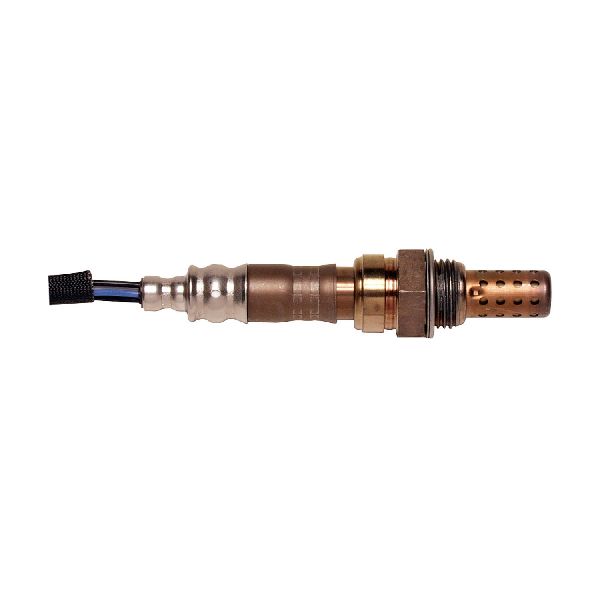
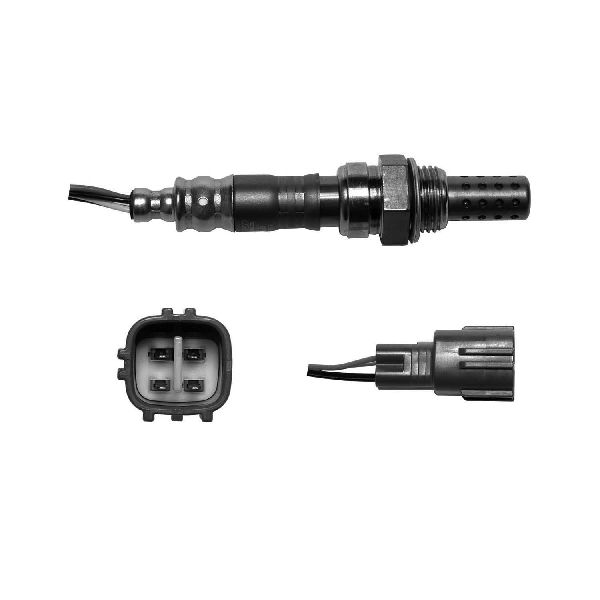
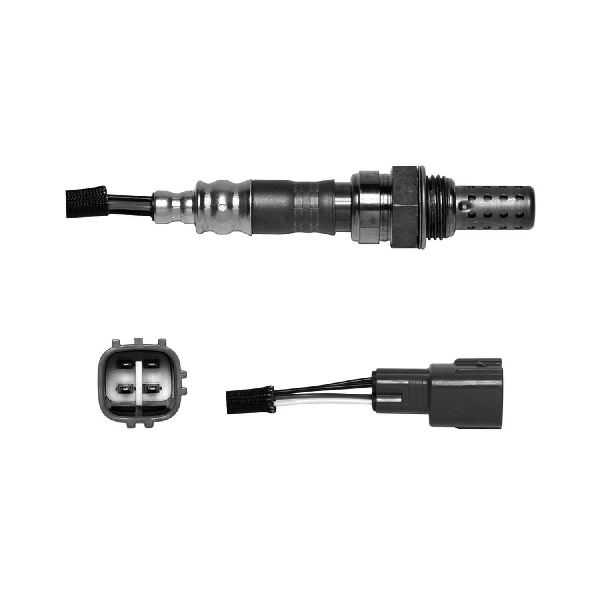
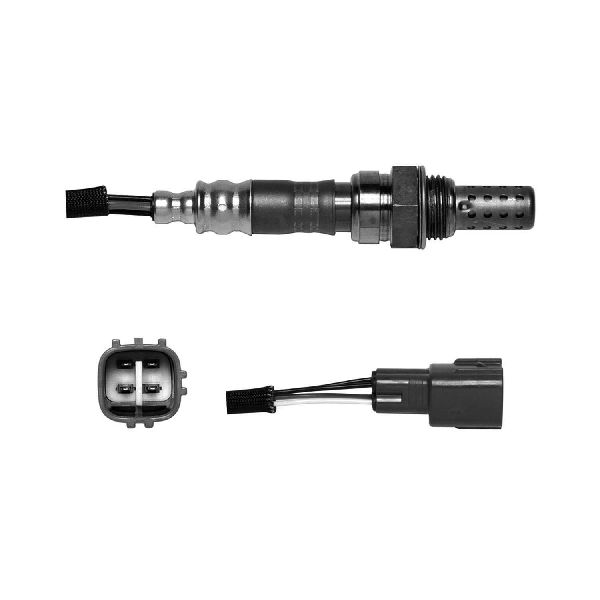
Varies by location. Sensors can be standard O2 or Air/Fuel Ratio type. All are heated, 4-wire sensors. Connector shape and wire length are critical for proper fitment.
We Have This Part in Stock


The information in this article is provided for general reference and educational purposes only. Vehicle specifications, procedures, and part compatibility can vary by production date, trim level, and region. Always consult your vehicle's factory service manual and verify part numbers before purchasing or performing repairs. Safety-critical components such as airbags, seat belts, and braking systems should be installed by a qualified professional.
- Lexus ES300:
- 🎬 Helpful Videos
- 🛍️ Shop This Part
- Is Your Oxygen Sensor Failing?
- Common Symptoms:
- Choosing the Right Aftermarket Oxygen Sensor
- Go with the OEM Manufacturer: DENSO
- Brand Tiers for Your ES300:
- Avoid Common Ordering Mistakes
- Cost of Replacing an ES300 Oxygen Sensor
- Frequently Asked Questions
- Known Issues, Recalls, or TSBs
- 🎟️ Get 5% Off