

A Lexus ES300 Owner's Guide to Radiator Replacement (1992-2003)
Learn how to spot a failing radiator in your ES300 and choose the best aftermarket replacement to prevent engine damage.
- The most common failure point is the plastic top tank cracking from age; inspect this area carefully for leaks.
- For reliability, choose a Denso (OEM), Koyorad, or CSF radiator.
- While replacing the radiator, it is highly recommended to also replace the upper/lower hoses and thermostat.
- Driving with an overheating engine can cause catastrophic damage; do not ignore the warning signs.
Is Your ES300 Radiator Failing?
For the 1992-2003 Lexus ES300, the original radiators are now decades old. The most common point of failure is the plastic end tanks, which become brittle over time and crack under constant heat and pressure. The upper inlet neck where the main hose connects is a frequent spot for leaks. If you ignore the signs, a failed radiator can lead to a severely overheated engine, which could result in a blown head gasket and thousands of dollars in repairs.
Key Failure Symptoms:
- Engine Overheating: The temperature gauge on your dashboard climbs into the red zone, especially while idling or in traffic.
- Coolant Leaks: You may find puddles of pink or red fluid under the front of your car. These leaks often come from cracks in the top or bottom plastic sections of the radiator.
- Sweet Smell: A distinct, sweet smell from the engine bay is a classic sign of burning antifreeze.
- Low Coolant Levels: Constantly needing to top off your coolant reservoir indicates a leak somewhere in the system.
- Visible Steam: Steam or vapor coming from under the hood when the engine is hot is a critical warning sign.
- Discolored Coolant: If the coolant in your reservoir looks rusty or sludgy, it can be a sign of internal corrosion in the radiator, which reduces its efficiency.
Known Issues for the 1992-2003 Lexus ES300
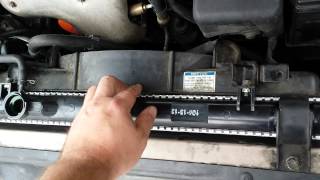
There are no official recalls or widespread Technical Service Bulletins (TSBs) for radiator failure on this vehicle. The primary issue is simply age-related material fatigue. 🎬 Check out this video for important tips on 1993 radiator changes. The original design combines a metal core with plastic tanks crimped on the sides. After 20+ years, the plastic becomes weak and is prone to developing hairline cracks that turn into significant leaks.
Choosing the Right Aftermarket Radiator
When shopping for a new radiator, you'll find many brands. For this specific vehicle, quality and fitment are key. A cheap, poorly made radiator may not cool as effectively and could fail prematurely. Here’s how the available brands generally stack up based on owner experiences and industry reputation.
Tier 1: OEM & Premium Aftermarket
These brands are known for meeting or exceeding original factory specifications. They are the safest bet for a direct, trouble-free installation and long-term reliability.
- Denso: Denso is the Original Equipment Manufacturer (OEM) for Toyota and Lexus, making it a top choice for a guaranteed fit and factory performance. Many mechanics and owners will recommend Denso above all others.
- Koyorad & CSF Radiator: Both are highly respected Japanese brands known for excellent quality. They often offer performance-oriented designs, such as all-aluminum construction or advanced tube-and-fin technology, that can provide cooling superior to the original part.
Tier 2: Quality Aftermarket
These brands offer a good balance of quality and price. They are reliable choices for a daily driver and are widely available.
- Spectra & APDI: These are well-known aftermarket brands that produce reliable, OE-style replacement radiators. They are a solid choice if a Tier 1 brand is not in your budget.
- Nissens & Valeo: Both are established European parts manufacturers with a reputation for producing quality components that fit correctly.
Tier 3: Budget Options
These brands focus on being the most affordable. While tempting, be aware that fitment or cooling efficiency might not be as consistent as higher-tier brands. For a car as reliable as the ES300, investing a little more in a better radiator is often wise.
- Global Parts, One Stop Solutions, Onix: These fall into the budget category. Careful inspection upon arrival for any damage from shipping is recommended.
Pro Tip: What Else to Replace
Since you'll be draining the cooling system, it's the perfect time to replace other related parts for very little extra labor. Consider replacing the upper and lower radiator hoses, the thermostat, and the radiator cap. Also, be sure to refill the system with the correct Toyota/Lexus long-life "pink" or "red" coolant, mixed 50/50 with distilled water.
Cost of Replacing Your ES300 Radiator
The total cost will depend on the brand you choose and whether you do the work yourself or hire a professional.
| Part/Service | Estimated Cost |
|---|---|
| New Aftermarket Radiator | $48 - $523 |
| New OEM (Denso/Lexus) Radiator | $150 - $300 |
| Shop Labor | $200 - $350 |
| Total Professional Replacement | $250 - $875+ |
Frequently Asked Questions
Is replacing the radiator a DIY job?
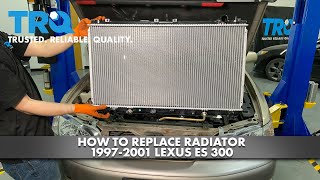
Yes, for many home mechanics, this is a very manageable job. It requires basic hand tools and about 2-4 hours. The process involves draining the coolant, removing hoses and fan assemblies, swapping the radiator, and refilling the system. Numerous video guides are available online for this specific vehicle.
🎬 Watch this step-by-step radiator replacement guide for 1997-2001 models.My car is overheating, but I don't see a leak. Is it the radiator?
It could be, but overheating without a visible leak can also be caused by a stuck thermostat, a failing water pump, or faulty radiator fans. A radiator can also be clogged internally, preventing proper coolant flow. A mechanic can perform a pressure test to confirm where the problem lies.
Do I need to replace the radiator fans?
Not usually. The original fans are typically transferred from the old radiator to the new one. You only need to replace a fan if the motor has failed. You can test this by checking if the fans turn on when the engine gets hot or when you turn on the A/C.
What is "burping" the cooling system and why is it important?
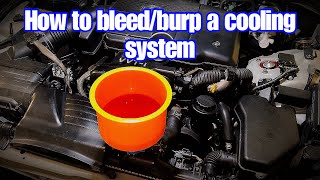
After refilling the system with coolant, air pockets can get trapped. These air pockets can cause overheating. "Burping" is the process of running the engine with the radiator cap off (and often with a special spill-free funnel) to allow all the trapped air to escape. This is a critical final step for a successful radiator replacement.
🎬 See how to properly burp the air out of your system.Helpful Videos
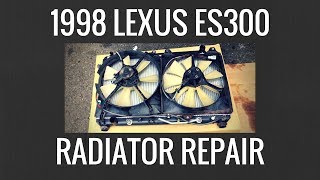
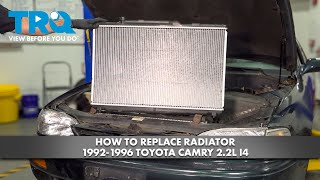
Technical Specifications
OEM Part Numbers: 16400-20091 16400-20161 16400-62100 16400-20270 16400-0A240
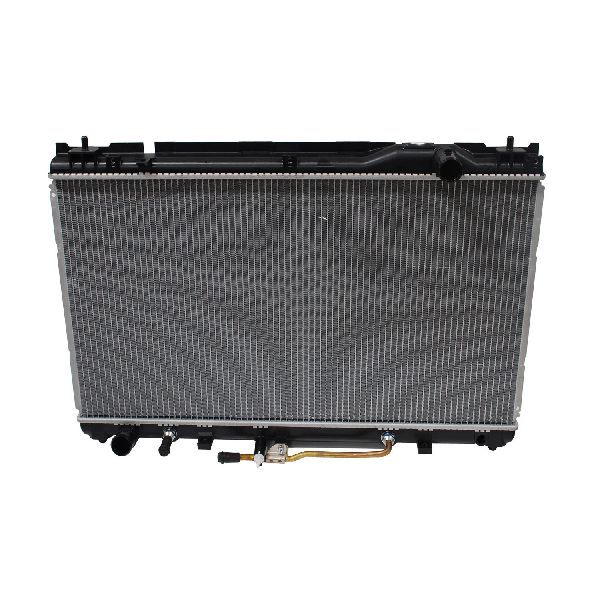
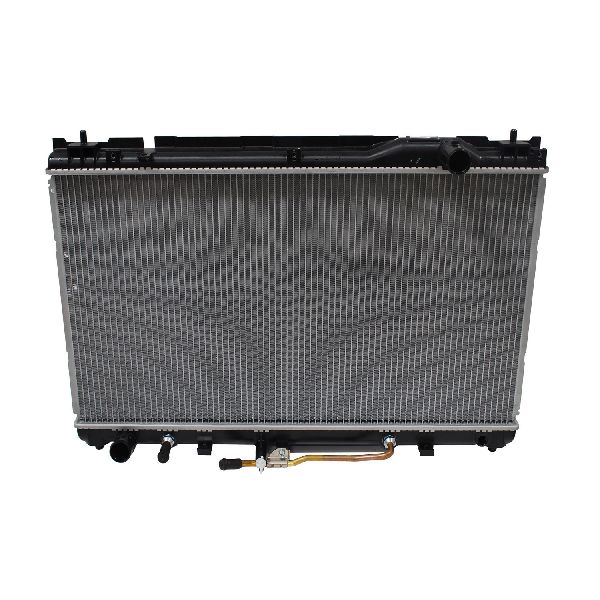
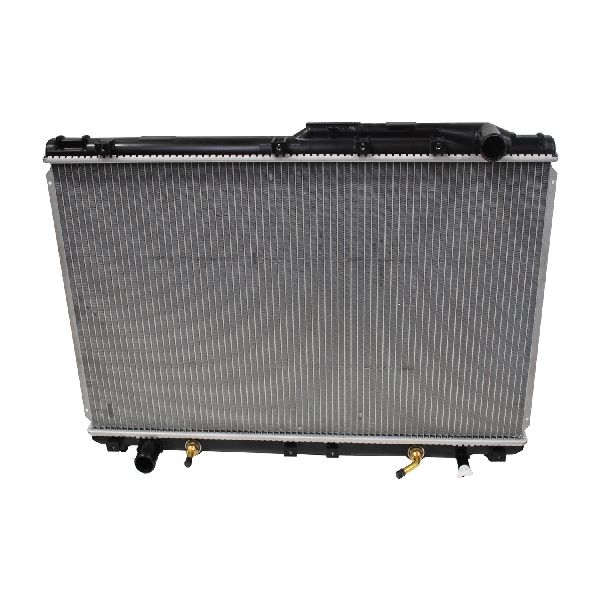
The radiator for the 1992-2003 Lexus ES300 is a crossflow type with plastic end tanks and an aluminum core. It includes an integrated engine oil cooler and a transmission fluid cooler for automatic models. Core dimensions and hose locations vary slightly between the 1992-1996, 1997-2001, and 2002-2003 generations, so it is crucial to order the correct part for your specific model year.
We Have This Part in Stock
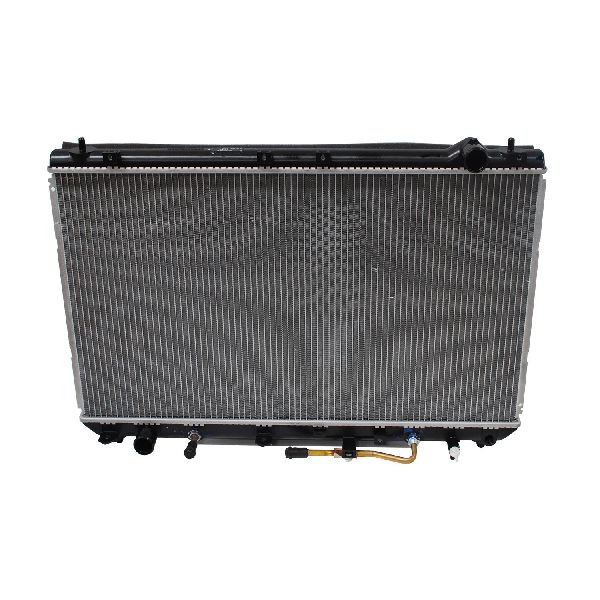
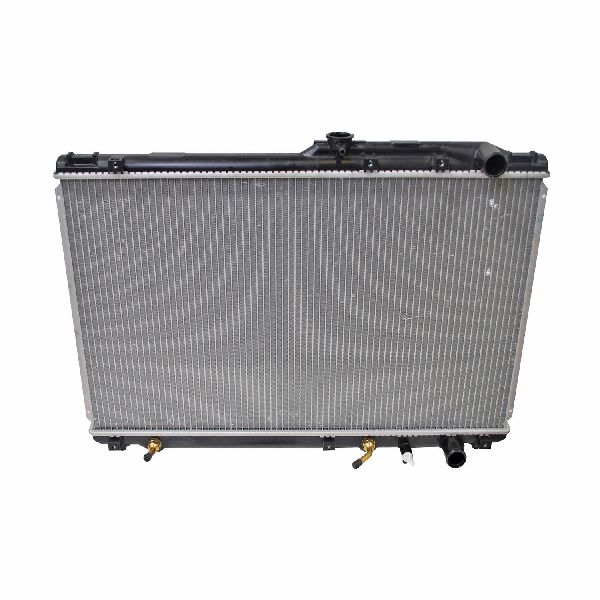
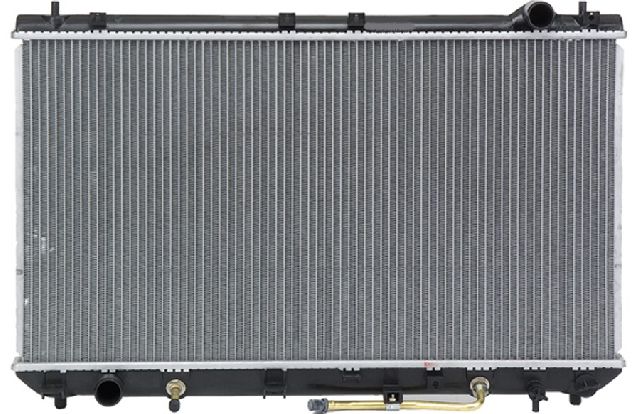

The information in this article is provided for general reference and educational purposes only. Vehicle specifications, procedures, and part compatibility can vary by production date, trim level, and region. Always consult your vehicle's factory service manual and verify part numbers before purchasing or performing repairs. Safety-critical components such as airbags, seat belts, and braking systems should be installed by a qualified professional.
- Lexus ES300:
- 🎬 Helpful Videos
- 🛍️ Shop This Part
- Is Your ES300 Radiator Failing?
- Key Failure Symptoms:
- Known Issues for the 1992-2003 Lexus ES300
- Choosing the Right Aftermarket Radiator
- Tier 1: OEM & Premium Aftermarket
- Tier 2: Quality Aftermarket
- Tier 3: Budget Options
- Pro Tip: What Else to Replace
- Cost of Replacing Your ES300 Radiator
- Frequently Asked Questions
- 🎟️ Get 5% Off