

Lexus ES300 Radiator Coolant Hose Guide for 1992-2003 Models
Keep your ES300 engine safe from overheating by understanding when and how to replace your radiator hoses.
- Failure signs include leaks, overheating, and visible hose damage like swelling or cracks.
- High-quality aftermarket brands like Gates, Dayco, and Continental are reliable and cost-effective alternatives to OEM.
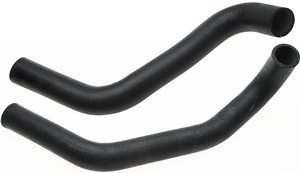
- Always replace hoses in pairs (upper and lower) and use new spring-style clamps for the best seal.
- Use only Toyota/Lexus specific red or pink P-OAT coolant to prevent system damage.
Is Your ES300 Overheating or Leaking Coolant? It Might Be a Radiator Hose.
The radiator hoses on your Lexus ES300 are critical wear-and-tear items. Made of rubber, they are constantly exposed to heat, pressure, and engine vibrations. Over many years and miles, the rubber breaks down, which can lead to serious engine problems if not addressed. For a vehicle in the 1992-2003 age range, inspecting these hoses is a key part of preventative maintenance.
Symptoms of a Failing Radiator Hose
A bad hose can cause coolant to leak or prevent it from circulating, leading to an overheated engine. Look for these common signs:
- Coolant Leaks: This is the most obvious symptom. You may see puddles of bright green or pink fluid under the front of your car. You might also notice a sweet, syrupy smell after driving.
- Visible Hose Damage: Pop the hood and inspect the hoses. Look for cracks, splits, or fraying. Pay close attention to the ends near the clamps.
- Swollen or Soft Hoses: Squeeze the hoses when the engine is cool. A healthy hose is firm. If a hose feels mushy, spongy, or swollen, it is deteriorating from the inside and needs to be replaced immediately. Forum owners report hoses becoming very soft before they fail.
- Engine Overheating: If your temperature gauge starts climbing into the red, a failing hose could be the cause. A collapsed hose can restrict coolant flow, or a leak can lower coolant levels, both leading to overheating.
- Low Coolant Light: A frequent need to top off your coolant reservoir is a strong indicator of a leak somewhere in the system, and the radiator hoses are a common culprit.
Critical Warning: Do Not Ignore Overheating
Driving with an overheating engine can cause catastrophic damage to your ES300's V6, including warped cylinder heads or a complete engine seizure. If you see the temperature gauge in the red, pull over and shut off the engine as soon as it is safe to do so.
Choosing the Right Aftermarket Hose
For the 1992-2003 ES300, you don't necessarily need to pay dealership prices for an OEM (Original Equipment Manufacturer) hose. High-quality aftermarket brands offer excellent performance and value. Toyota has used several suppliers for their hoses over the years. Reputable aftermarket brands like Gates, Dayco, and Continental are known to produce reliable parts that meet or exceed OEM specifications.
- OEM Quality vs. Aftermarket: While some purists prefer OEM for a guaranteed perfect fit, many ES300 owners have used brands like Gates and Dayco with great success. The most important factor is choosing a well-known brand over a cheap, unbranded part. One owner noted an aftermarket hose was slightly too long, causing it to rub and fail, so always compare the new hose to the old one and trim if necessary.
- Brand Tiers:
- Premium Aftermarket (Gates, Dayco, Continental): These brands are trusted in the industry. Gates, for example, is an OEM supplier for many automakers. They use quality EPDM rubber designed to resist heat and chemical degradation. You can be confident using hoses from these manufacturers.
- Economy Brands: It is best to avoid generic, no-name hoses. The small amount of money saved is not worth the risk of a premature failure and potential engine damage.
Pro Tip: Replace the Clamps!
It is highly recommended to replace the hose clamps whenever you replace a hose. Your ES300 originally came with spring-style clamps. These are preferred because they maintain constant tension as the hose expands and contracts with temperature changes. Avoid using worm-gear clamps, as they can be overtightened and dig into the rubber, causing future leaks.
Cost of Replacing Radiator Hoses on a 1992-2003 Lexus ES300
| Part/Service | Estimated Cost |
|---|---|
| New Aftermarket Hoses (Set of 2) | $20 - $40 |
| Shop Labor (1-1.5 hours) | $100 - $190 |
| Coolant (Toyota Red/Pink) | $25 - $40 |
| Total DIY Cost (Parts & Coolant) | $45 - $80 |
| Total Professional Replacement | $145 - $270 |
Note: Costs are estimates and can vary based on your location and the specific parts used. The shop labor estimate is for hose replacement only.
Frequently Asked Questions (FAQ)
Is replacing the radiator hoses a DIY job?
Yes, for many owners with basic mechanical skills, this is a manageable DIY task. The process involves draining the coolant, accessing the clamps, and swapping the hoses. However, it can be messy, and getting old, stuck hoses off can be tricky without a hose pick tool. If you are not comfortable with draining and refilling the cooling system, a professional mechanic can do the job relatively quickly.
Should I replace both hoses at the same time?
Yes. If one hose has failed due to age, the other is likely not far behind. Since you have to drain the cooling system to replace one, it is efficient and highly recommended to replace both the upper and lower hoses at the same time. Many owners also replace the thermostat while they're at it.
How often should I replace my radiator hoses?
There is no strict replacement interval. A good rule of thumb is to inspect them at every oil change and consider replacing them preventatively every 10 years or 100,000 miles, especially if you are already servicing the cooling system. For a 1992-2003 model, if the hoses are original, they are due for replacement.
What kind of coolant should I use in my ES300?
It is critical to use the correct coolant. These vehicles originally used Toyota "Red" coolant. You should use an Asian vehicle-specific coolant, typically pink or red, that is a Phosphate-enhanced Organic Acid Technology (P-OAT) type. Using the wrong type, like conventional green coolant, can lead to corrosion and damage to the cooling system.
Technical Specifications
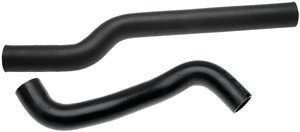
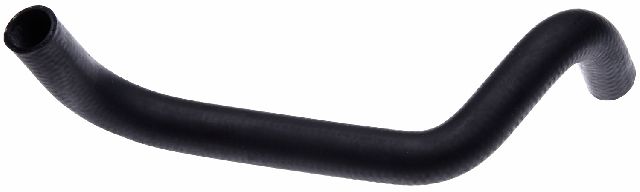
OEM Part Numbers: 16571-20020 16571-AA010 16571-07010
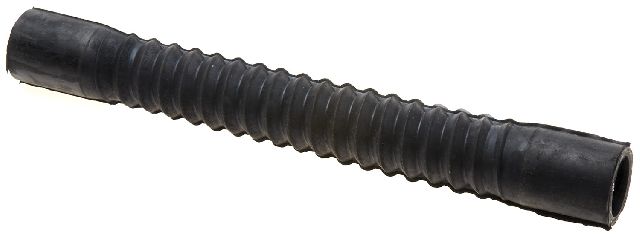
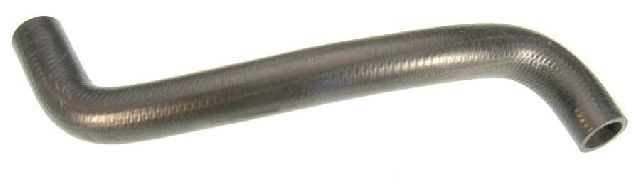
Molded EPDM rubber construction, resistant to electrochemical degradation. Typically 1.25" to 1.31" inner diameter.
We Have This Part in Stock

The information in this article is provided for general reference and educational purposes only. Vehicle specifications, procedures, and part compatibility can vary by production date, trim level, and region. Always consult your vehicle's factory service manual and verify part numbers before purchasing or performing repairs. Safety-critical components such as airbags, seat belts, and braking systems should be installed by a qualified professional.
- Lexus ES300:
- 🛍️ Shop This Part
- Is Your ES300 Overheating or Leaking Coolant? It Might Be a Radiator Hose.
- Symptoms of a Failing Radiator Hose
- Critical Warning: Do Not Ignore Overheating
- Choosing the Right Aftermarket Hose
- Pro Tip: Replace the Clamps!
- Cost of Replacing Radiator Hoses on a 1992-2003 Lexus ES300
- Frequently Asked Questions (FAQ)
- 🎟️ Get 5% Off