

Lexus ES300 Starter Motor: A Guide for 1992-2003 Models
Is your Lexus ES300 clicking but not starting? This guide covers common starter problems and replacement options.
- A single click with no crank is the most common symptom of a failed starter on the ES300.
- The starter is located under the airbox and battery, making replacement a straightforward but multi-step DIY job.
- The original Denso starters are excellent, but a new aftermarket unit from a quality brand offers a reliable, cost-effective repair.
- Before replacing the starter, always ensure your battery is fully charged and the terminals are clean and tight.
Is Your ES300 Starter Failing?
A failing starter on a Lexus ES300 usually gives warning signs. Because these cars are known for reliability, a starting problem can be a surprise. Often, the issue begins intermittently, especially in colder weather, before failing completely.
Common Symptoms:
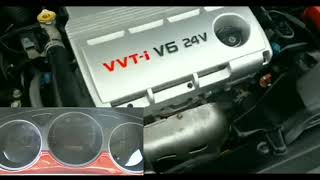
- Single Loud Click: You turn the key and hear a single, sharp "click" from the engine bay, but the engine doesn't crank. This often points to a bad starter solenoid. 🎬 Watch a video of this clicking symptom being diagnosed.
- No Sound at All: If you turn the key and nothing happens, it could be the starter, but it's also important to check the battery first. A dead battery is a common cause of no-start conditions.
- Grinding Noise: A harsh grinding sound during startup can mean the starter gear is worn or not properly engaging with the engine's flywheel. Addressing this quickly can prevent damage to the flywheel, which is a more expensive repair.
- Slow Engine Crank: If the engine turns over much slower than usual, it could be a weak starter motor drawing too much power, though a weak battery can also cause this.
- Smell or See Smoke: Smoke from under the engine could be a sign of an overheating starter due to an electrical problem. This is a serious symptom that should be addressed immediately.
Don't Get Stranded
Starter problems rarely fix themselves. If you experience any of these symptoms, especially intermittent starting, it's best to address the issue before the starter fails completely and leaves you stranded.
Choosing the Right Aftermarket Starter
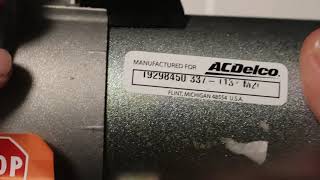
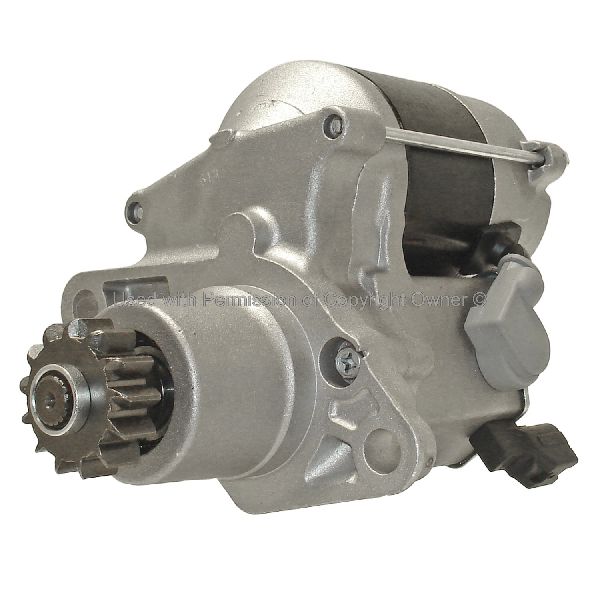
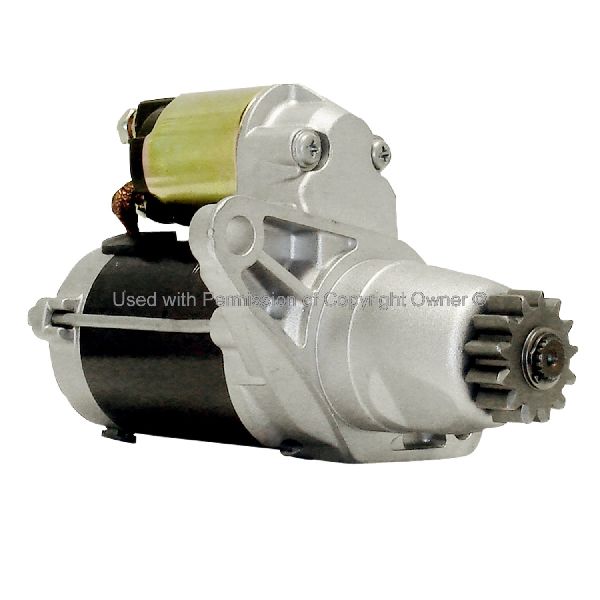
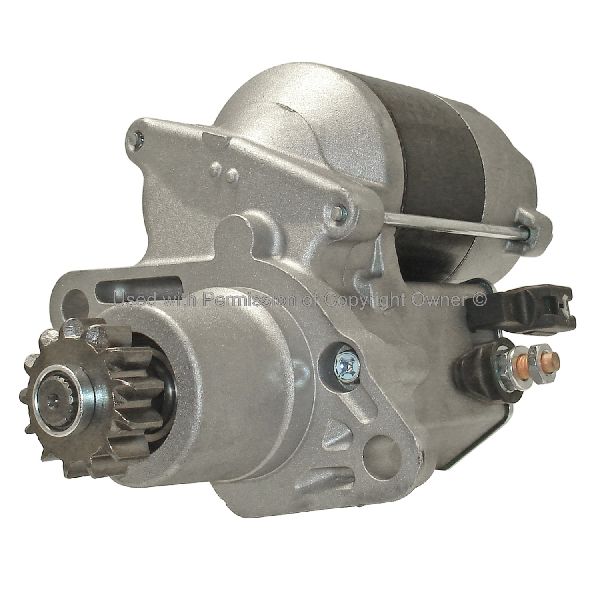
The original starter on your ES300 was made by Denso, a brand known for exceptional quality and longevity. When replacing it, you have a few options. While a new OEM Denso starter is an excellent choice, quality new aftermarket units from brands like ACDelco and MPA (Motor Parts of America) offer a reliable alternative at a lower price point.
- OEM (Denso): The original part manufacturer. A new Denso starter is considered the highest quality and most reliable option, though it is also the most expensive.
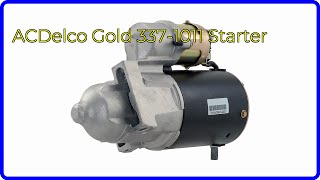
- New Aftermarket (ACDelco, MPA): These are brand new parts, not rebuilt. Brands like ACDelco produce starters that meet or exceed original specifications and are a popular choice for balancing cost and quality. 🎬 See a detailed review of the ACDelco Gold starter. MPA is another available brand in the aftermarket space. These parts are often manufactured to high-quality standards (like ISO) and are computer tested.
- Remanufactured: These are used starters that have been rebuilt with new internal components. Quality can vary, but a professionally remanufactured Denso starter can be a good option.
Pro Tip: New vs. Remanufactured
For a vehicle like the ES300, choosing a new aftermarket starter is often the best value. You get all-new components and a warranty, often for a similar price to a remanufactured unit, avoiding the risk of a poorly rebuilt part.
Cost of Replacing Your ES300 Starter
The cost can be broken down into parts and labor. You can save on labor by doing the job yourself, but it requires some mechanical comfort.
| Item | Estimated Cost |
|---|---|
| New Aftermarket Starter | $96.63 - $214.74 |
| New OEM (Denso) Starter | $165 - $250 |
| Used OEM Starter | $50 - $75 |
| Shop Labor | $94 - $137 |
| Total Professional Replacement (Aftermarket Part) | $373 - $450 |
Frequently Asked Questions
Where is the starter located on the 1992-2003 ES300?
The starter is bolted to the transmission housing. To access it, you need to remove the battery, the battery tray, and the entire air filter box assembly. It is located on the driver's side of the engine bay, underneath the air intake components.
Can I replace the starter myself?
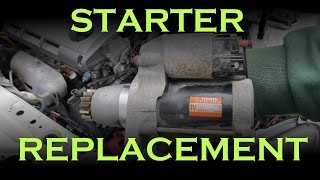
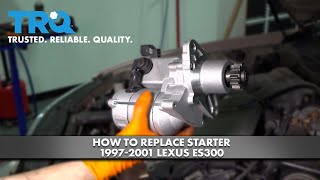
Yes, this is a feasible DIY job for someone with basic tools (10mm, 12mm, 14mm sockets) and a bit of patience. The process involves removing the battery and airbox to get access, unbolting two wires, and then removing two bolts that hold the starter to the transmission. 🎬 Follow this step-by-step video guide for DIY starter replacement. The bolts can be tight, so a good ratchet with an extension is helpful.
Is a clicking sound always a bad starter?
Not always, but it's a very strong indicator. The click you hear is the starter's solenoid activating. If the motor doesn't spin after the click, the issue is most likely worn internal contacts in the solenoid or a bad starter motor. However, a very weak or dead battery can also sometimes produce a clicking sound from various relays.
Are there any recalls on the ES300 starter?
There are no specific recalls issued by the NHTSA for the starter motor on the 1992-2003 Lexus ES300. Some owners have reported premature failure, but it is not considered a widespread safety defect by the manufacturer.
Helpful Videos
Technical Specifications
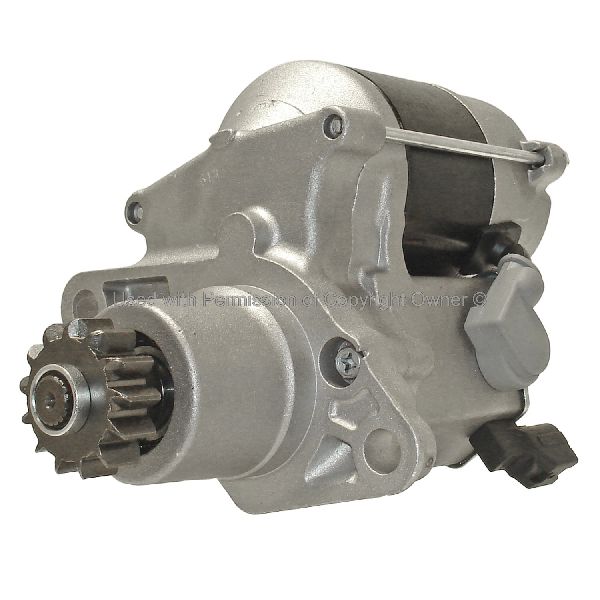
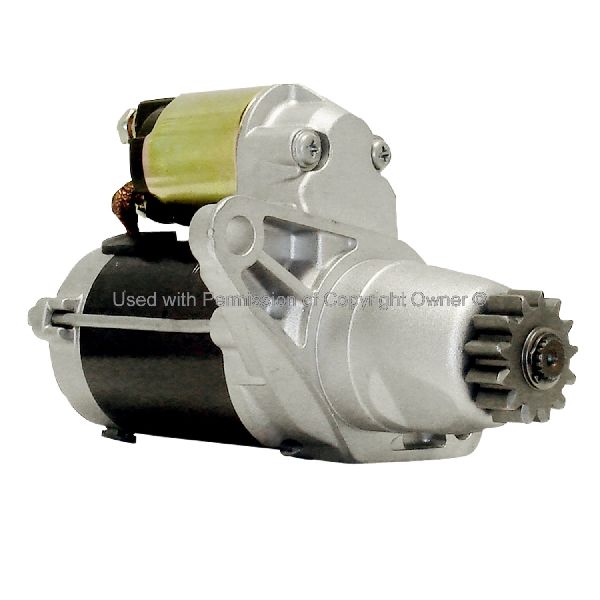
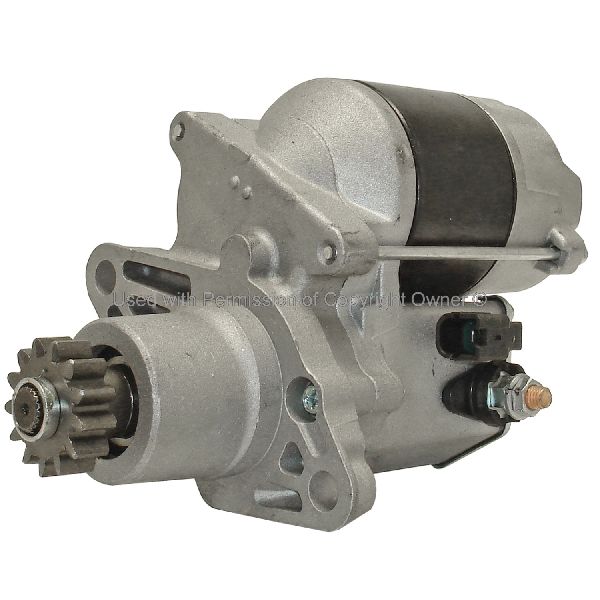
OEM Part Numbers: 28100-74100 28100-03030 28100-74260 28100-20020 28100-03100 28100-28041
Voltage: 12V, Power Rating: 1.4kW or 1.6kW, Rotation: Counterclockwise, Teeth: 13.
We Have This Part in Stock

The information in this article is provided for general reference and educational purposes only. Vehicle specifications, procedures, and part compatibility can vary by production date, trim level, and region. Always consult your vehicle's factory service manual and verify part numbers before purchasing or performing repairs. Safety-critical components such as airbags, seat belts, and braking systems should be installed by a qualified professional.
- Lexus ES300: