

Lincoln Continental Catalytic Converter Guide (1992-2002)
Everything you need to know before replacing the catalytic converter on your 1992-2002 Lincoln Continental.
- First, confirm your engine: 1992-1994 models have a 3.8L V6, while 1995-2002 models have a 4.6L V8 with a different exhaust system.
- A failed converter is usually caused by an engine problem. Fix any misfires, oil leaks, or fuel system issues before installing a new converter to prevent repeat failure.
- Aftermarket brands like MagnaFlow and Walker offer a good balance of quality and value, while economy brands are a budget option with potential fitment trade-offs.
- No recalls or specific TSBs exist for this part on these model years; failure is typically due to age and other engine-related problems.
Understanding Catalytic Converter Failure in Your Continental
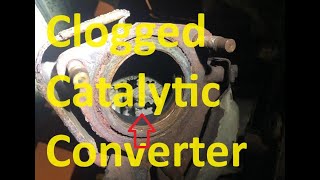
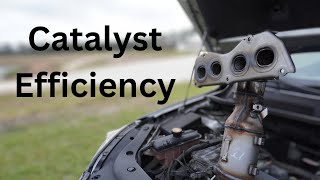
Catalytic converters don't usually fail on their own. They are designed to last for a long time, often over 100,000 miles. When a converter fails, it's almost always a symptom of another problem with your Lincoln's engine. Contaminants like unburned fuel from engine misfires, or oil and coolant from internal leaks, can coat the converter's internal ceramic structure. This can either clog it completely or melt the structure, causing it to break apart. 🎬 Watch: Learn the common symptoms of a clogged catalytic converter. Before you spend money on a new converter, it is critical to diagnose and fix the root cause, or the new part will fail quickly.
Find the Root Cause First!
Common causes of converter failure include bad spark plugs, faulty ignition coils, leaking fuel injectors, or bad oxygen sensors. Always perform a full engine tune-up and fix any existing issues before installing a new catalytic converter.
Generation and Engine Differences (1992-2002)
The 1992-2002 Lincoln Continental spans two distinct generations with different engines and exhaust systems. It is crucial to identify your specific vehicle to order the correct parts.
- 1992-1994 Lincoln Continental (3.8L V6): These earlier models use a different exhaust setup for the V6 engine. Parts are specific to these years and will not fit the later V8 models.
- 1995-2002 Lincoln Continental (4.6L V8): The later generation features the 4.6L Modular V8. These cars have a more complex exhaust system, often with a large Y-pipe assembly that includes multiple catalytic converters (sometimes called pre-cats and main cats) and several oxygen sensor ports. Be sure you are ordering the correct section (front/Y-pipe or rear).
Choosing the Right Aftermarket Converter
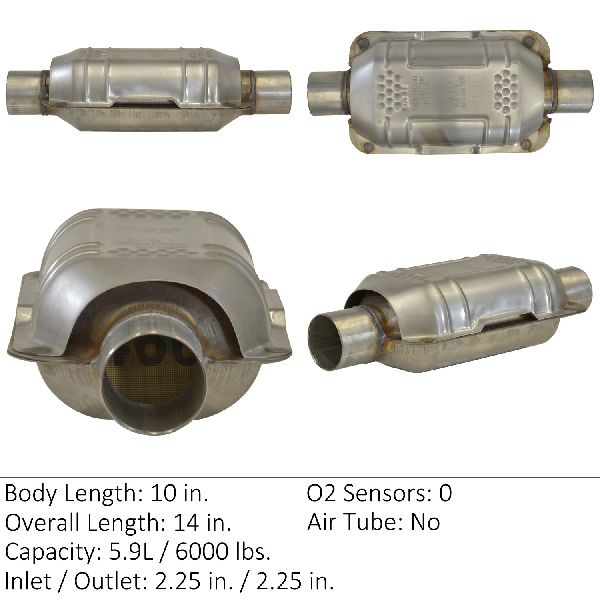
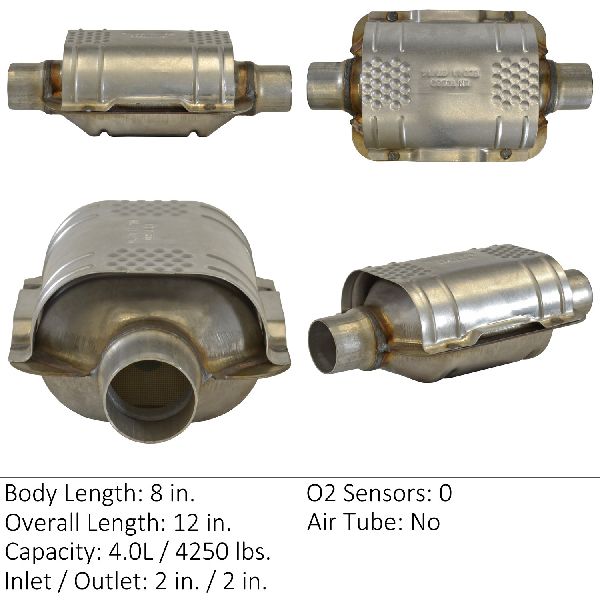
Original Equipment (OEM) converters from Ford are extremely expensive and can be hard to find for a vehicle of this age. Aftermarket converters offer a much more affordable solution, but quality and fit can vary between brands. They are generally categorized as either Direct-Fit (bolt-on) or Universal (weld-in). For most DIY mechanics, a direct-fit part is the better choice.
Brand Quality Tiers
Based on owner feedback and brand reputation, aftermarket converters for your Continental generally fall into these tiers:
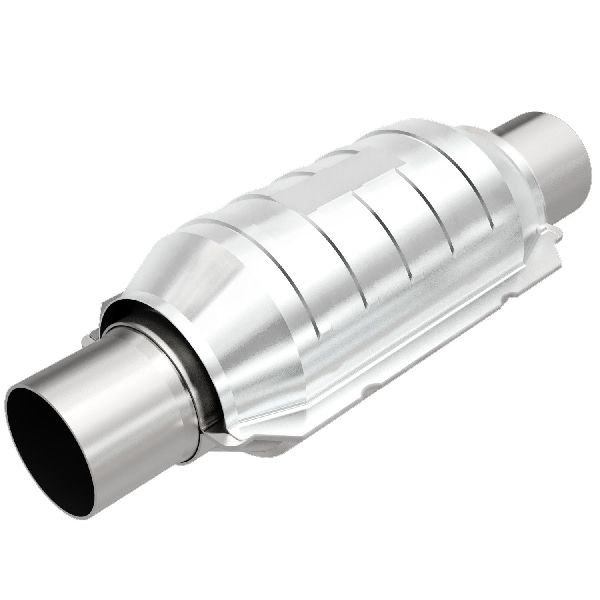
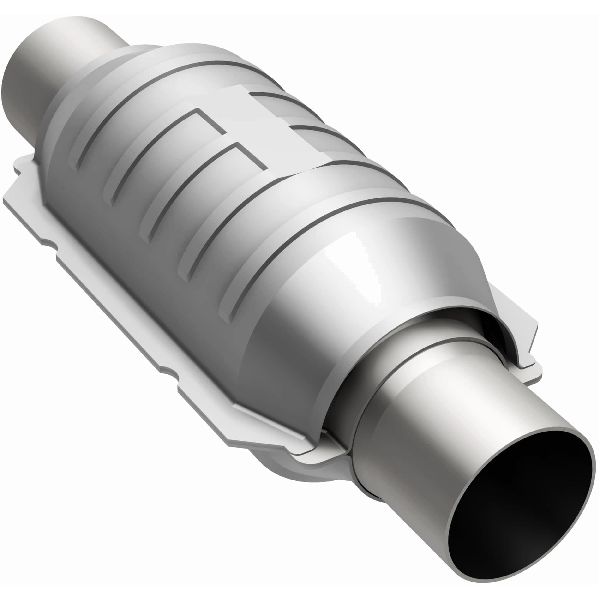
- Premium Aftermarket (MagnaFlow): Often considered a top-tier aftermarket brand, MagnaFlow converters are known for high-quality stainless steel construction and designs that can improve exhaust flow, potentially offering a slight performance and sound improvement. They are typically the most expensive aftermarket option but are a popular choice for those wanting high quality without paying for OEM.
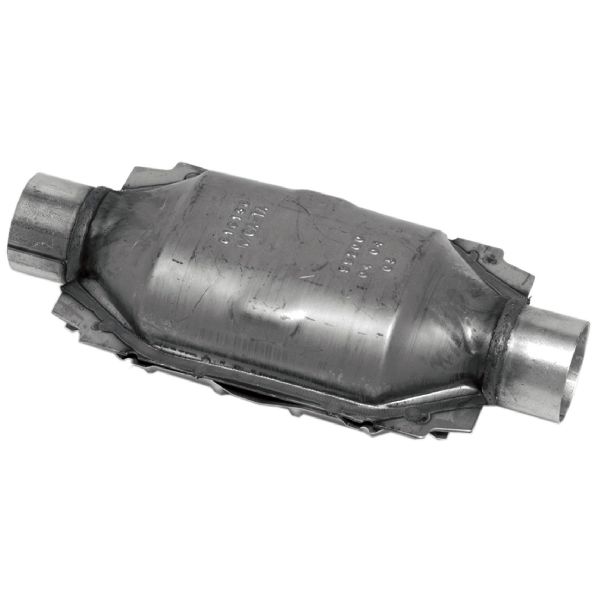
- Standard / OE-Style (Walker Exhaust): Walker is a well-regarded brand that focuses on creating reliable, OE-style replacements. Their converters are designed to fit correctly and restore emissions performance to keep the check engine light off, with a sound level similar to the original part. They represent a good balance of price and quality.
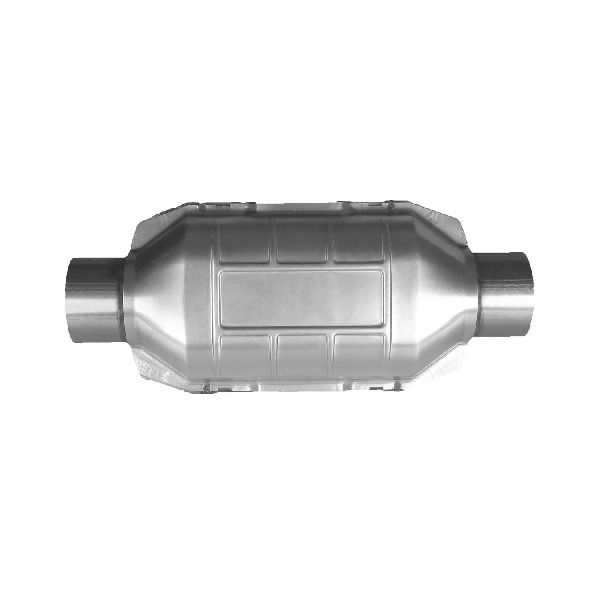
- Economy (AP Exhaust, Eastern Catalytic): These brands offer the most budget-friendly options. AP Exhaust and Eastern Catalytic are often the same product sold under different names. While many users have success with these brands, some have reported issues with fitment, such as bolt holes not lining up perfectly, and concerns about long-term durability. These are a viable choice if budget is the primary concern.
Known Issues, Recalls, and TSBs
Our searches of the NHTSA database and other technical resources found no specific recalls or Technical Service Bulletins (TSBs) related to catalytic converter failure for the 1992-2002 Lincoln Continental. Issues on these vehicles are typically due to age, mileage, and the engine problems mentioned above.
| Part Type | Estimated Cost |
|---|---|
| New Aftermarket Converter | $84 - $560 |
| Shop Labor (Installation) | $200 - $300 |
| New OEM Converter | $1500+ |
Frequently Asked Questions (FAQ)
What does the code P0420 mean?
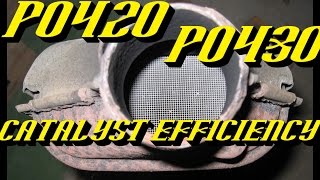
P0420 stands for "Catalyst System Efficiency Below Threshold (Bank 1)". Your car's computer uses two oxygen sensors to measure the converter's performance. When the readings from the sensor after the converter start to look like the readings from the sensor before it, the computer knows the converter isn't working correctly and triggers the P0420 code and check engine light. While an exhaust leak or a bad O2 sensor can sometimes cause this code, it most often means the catalytic converter itself needs to be replaced.
🎬 Watch: A breakdown of P0420 code causes and potential solutions.Can I just replace the oxygen sensors to fix a P0420 code?
It's unlikely. While a faulty oxygen sensor can cause issues, the P0420 code is specifically designed to monitor the converter's health. Replacing O2 sensors is often a waste of money if the converter is truly the problem. A good mechanic can test the O2 sensors to confirm if they are working before you decide to replace them.
🎬 See how to diagnose P0420 codes and test your sensors.What's the difference between a direct-fit and a universal converter?
A direct-fit converter is designed to bolt directly into your Continental's existing exhaust system without modification, making it ideal for DIY installation. A universal converter is a generic part that must be welded into place by a professional muffler shop. While universal parts can be cheaper, the added labor cost of welding often makes a direct-fit part a better overall value.
My state has strict emissions laws (California, New York). What do I need to know?
States like California, New York, Colorado, and Maine require replacement catalytic converters to be certified by the California Air Resources Board (CARB). These converters are more expensive due to more rigorous testing and higher amounts of precious metals. Always check your state's specific laws and ensure the part you are buying is legal for use in your state. Most aftermarket parts are sold as "49-State Legal" (Federal EPA compliant) and cannot be legally shipped to or installed in these states.
Helpful Videos

Technical Specifications
OEM Part Numbers: F5AZ-5E212-B
Vehicle utilizes different catalytic converters based on engine type. The 1992-1994 models use a 3.8L V6 configuration. The 1995-2002 models use a 4.6L V8 configuration, which features a complex front Y-pipe assembly with integrated pre- and main converters and multiple oxygen sensor ports.
We Have This Part in Stock

The information in this article is provided for general reference and educational purposes only. Vehicle specifications, procedures, and part compatibility can vary by production date, trim level, and region. Always consult your vehicle's factory service manual and verify part numbers before purchasing or performing repairs. Safety-critical components such as airbags, seat belts, and braking systems should be installed by a qualified professional.
- Lincoln Continental:
- 🎬 Helpful Videos
- 🛍️ Shop This Part
- Understanding Catalytic Converter Failure in Your Continental
- Find the Root Cause First!
- Generation and Engine Differences (1992-2002)
- Choosing the Right Aftermarket Converter
- Brand Quality Tiers
- Known Issues, Recalls, and TSBs
- Frequently Asked Questions (FAQ)
- 🎟️ Get 5% Off