

Toyota 4Runner Engine Oil Pressure Switch Guide (1992-2003)
Understand the common failure points and learn how to choose the right replacement oil pressure switch for your 2nd or 3rd Gen 4Runner.
- A flickering oil light is the most common symptom, but always check your oil level first.
- Oil leaks directly from the switch body are a clear sign of failure.
- Replacement is a simple DIY task, but be careful not to overtighten the new switch to avoid cracking the mounting point.
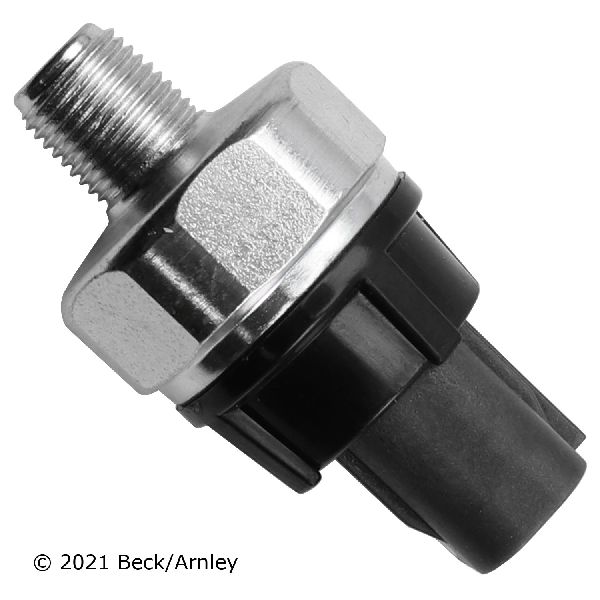
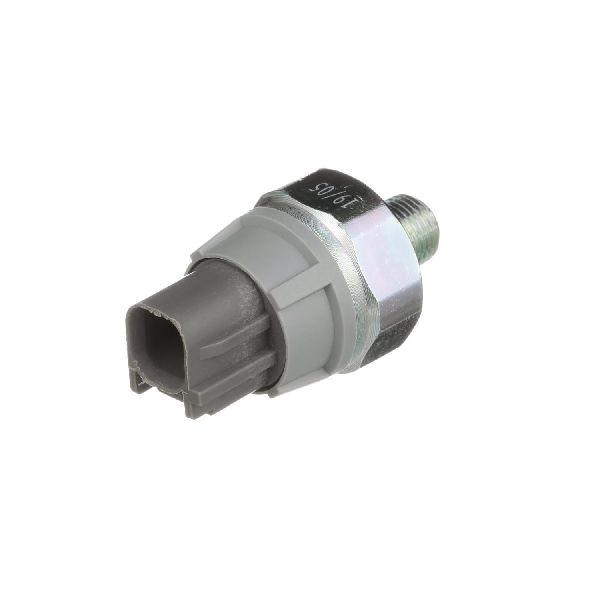
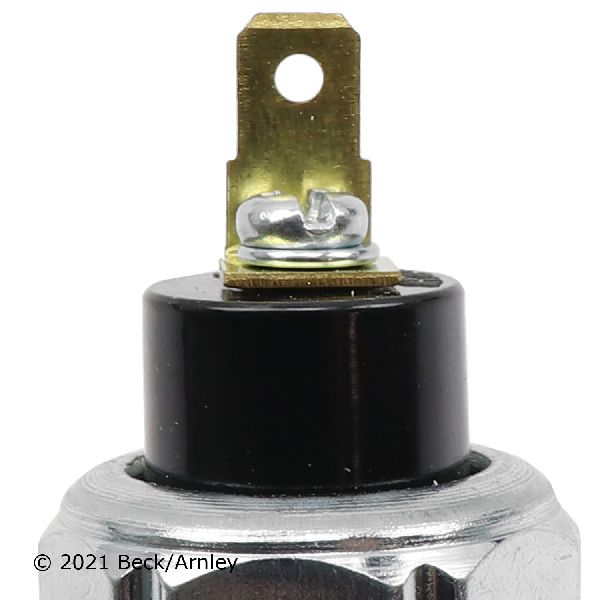
- For this part, choosing a premium aftermarket brand like Beck Arnley or Standard Ignition is a reliable alternative to more expensive OEM parts.
Is Your 4Runner's Oil Light Lying to You?
A flickering oil light on a 1992-2003 Toyota 4Runner can be alarming, but it doesn't always mean your engine is in trouble. Often, the cause is a faulty engine oil pressure switch. This component is a common failure point due to its location and constant exposure to heat and oil. The two most frequent failures are internal leaks, which cause oil to seep out of the sensor itself, and electrical failure, which leads to false warnings on your dash.
Symptoms of a Failing Oil Pressure Switch
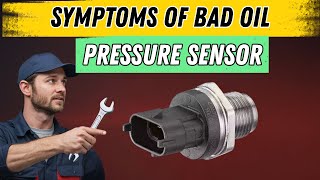
🎬 Watch this video to see common symptoms of a bad sensor.- Flickering or Incorrect Oil Light: The oil warning light may flicker, stay on constantly, or not turn on at all, even when the oil level is correct.
- Inaccurate Gauge Readings: On models with a pressure gauge, it might read zero, max out, or provide erratic readings that don't correspond to engine speed.
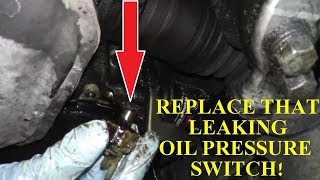
- Visible Oil Leak: The switch itself can develop leaks, leaving oil residue on the sensor body and the engine block below it. This is a very common issue.
First, Check Your Oil Level!
Before assuming the switch is bad, always check your engine oil level with the dipstick. A legitimate low oil level will also trigger the warning light and is a serious condition that requires immediate attention.
Choosing the Right Aftermarket Switch
While an OEM (Original Equipment Manufacturer) switch from Toyota is always a safe bet, quality aftermarket parts can offer significant savings. For a part like this, reliability is key. Based on owner feedback and brand reputation, here's a breakdown of common choices:
- Premium Aftermarket (Beck Arnley, Standard Ignition 'Blue Box'): Brands like Beck Arnley often source their parts from the same manufacturers that supply Toyota (OEM suppliers). This means you can get a part of similar quality to the original, sometimes even finding an OEM part in an aftermarket box. Standard Ignition (SMP) is another long-standing, reputable brand in the aftermarket.
- Standard Aftermarket (Facet, Holstein, True Tech): These brands provide a cost-effective solution. While generally reliable for this application, they may not have the same long-term durability or precise calibration as premium or OEM options. They are a good choice for budget-conscious repairs.
- Value-Oriented (Global Parts, Rostra): These are typically the most affordable options. They can be a viable choice, but it's important to monitor their performance and be aware that their lifespan might be shorter.
Pro Tip: For the 3rd Gen 4Runner (1996-2002), many owners recommend sticking with an OEM or a premium aftermarket brand like Beck Arnley. The location of the switch near the oil filter makes it susceptible to damage during oil changes, and a low-quality part is more likely to fail or leak.
Cost of Replacement
Replacing the oil pressure switch is one of the more affordable repairs for your 4Runner.
| Part Type | Estimated Cost |
|---|---|
| New OEM | $37 - $55 |
| New Aftermarket | $9 - $71 |
| Shop Labor | $50 - $100 |
Frequently Asked Questions (FAQ)
Where is the oil pressure switch located on a 1992-2003 4Runner?
On the V6 engines (3VZ-E and 5VZ-FE), the oil pressure switch is typically located on the engine block, near the oil filter. You will need to look up from underneath the vehicle to see it. On the 4-cylinder (22R-E), it is also on the block, usually on the driver's side below the intake manifold.
Is this a difficult part to replace myself?
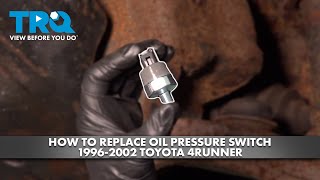
No, this is a relatively easy DIY job for most home mechanics. It involves safely jacking up the vehicle, removing a skid plate, unplugging the electrical connector, and using a deep socket to unscrew 🎬 See how to replace the switch using basic hand tools. the old switch and install the new one. The estimated time is under an hour.
🎬 Follow this step-by-step guide to replace your 4Runner's oil switch.Do I need to use thread sealant on the new switch?
Most new switches come with a thread sealant pre-applied. If yours does not, it is recommended to use a small amount of Teflon tape or liquid thread sealant to ensure a leak-free seal. Do not overtighten the switch, as this can damage the threads or the switch itself.
What is the difference between a switch and a sending unit?
A switch is a simple on/off device that triggers a warning light when pressure drops below a set point. A sending unit (or sensor) provides a variable resistance to power a gauge, showing the full range of oil pressure. Make sure you buy the correct part for your 4Runner's dashboard configuration (light vs. gauge).
Are there any recalls for the oil pressure switch?
No, there are no specific NHTSA recalls for the engine oil pressure switch on 1992-2003 Toyota 4Runners. Searches for recalls primarily show issues related to floor mats and accelerator pedals.
Helpful Videos
Technical Specifications
OEM Part Numbers: 83530-60020 83530-30090 83530-14060 83530-35040 83530-28020
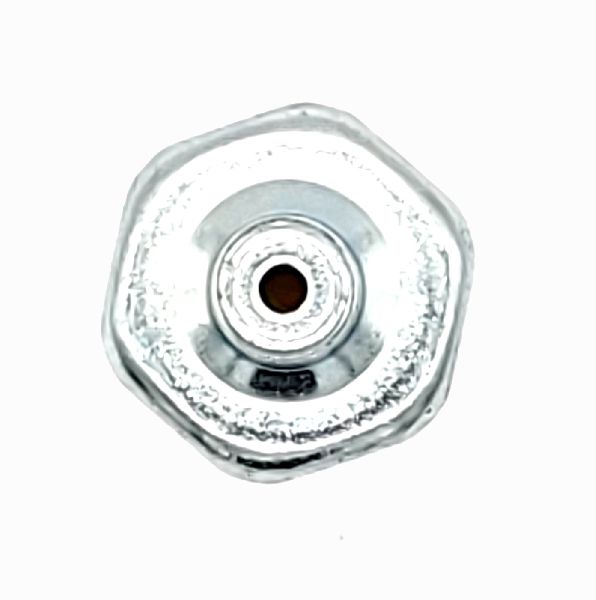
The part is a single-pin electrical switch with tapered pipe threads. The socket size for removal is typically 15/16" or a specialized oil pressure switch socket. No specific torque spec is given; tighten until snug, then an additional quarter turn.
We Have This Part in Stock


The information in this article is provided for general reference and educational purposes only. Vehicle specifications, procedures, and part compatibility can vary by production date, trim level, and region. Always consult your vehicle's factory service manual and verify part numbers before purchasing or performing repairs. Safety-critical components such as airbags, seat belts, and braking systems should be installed by a qualified professional.
- Toyota 4Runner: