

Volkswagen EuroVan 1992-2003 Oxygen Sensor Replacement Guide
Solve check engine lights and poor fuel economy by choosing the right oxygen sensor for your T4 EuroVan.
- A bad oxygen sensor will trigger the Check Engine Light and cause poor fuel economy and rough running.
- Choose a direct-fit sensor from an OEM-equivalent brand like Bosch, NGK/NTK, or Denso for best results.
- Ignoring a faulty O2 sensor can lead to expensive damage to your catalytic converter.
- Depending on the year and engine, your EuroVan may have one or two oxygen sensors (upstream and downstream).
Symptoms of a Failing Oxygen Sensor
When an oxygen sensor starts to fail, it can cause several noticeable problems. Because the sensor is vital for maintaining the correct air-fuel balance, a bad sensor often leads to poor engine performance and increased emissions.
- Check Engine Light: This is the most common sign. A failing O2 sensor will trigger a diagnostic trouble code and illuminate the check engine light on your dashboard. 🎬 Watch: How to replace an O2 sensor on a Volkswagen.
- Poor Fuel Economy: If you notice you're filling up the gas tank more often, a bad O2 sensor could be the cause. The engine may run "rich," meaning it's using more fuel than necessary.
- Rough Idle or Engine Misfires: An incorrect air-to-fuel ratio can cause the engine to idle erratically, hesitate, or misfire.
- Rotten Egg Smell: A strong smell of sulfur or rotten eggs from the exhaust can indicate that the engine is running too rich and unburned fuel is entering the exhaust system.
- Failed Emissions Test: A bad O2 sensor can lead to high levels of carbon emissions, causing your vehicle to fail a smog check.
Choosing the Right Aftermarket Oxygen Sensor
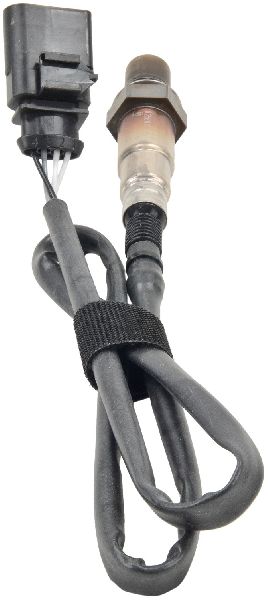
For Volkswagen vehicles of this era, the brand of sensor you choose matters. While many brands are available, they fall into different tiers of quality and reliability. It is highly recommended to use a "direct-fit" sensor, which comes with the correct plug for your van's wiring harness, rather than a "universal" sensor that requires cutting and splicing wires.
Brand Quality Tiers
Tier 1: OEM-Equivalent Brands (Bosch, NGK/NTK, Denso)
These brands are often the original equipment manufacturers for Volkswagen and other major carmakers. Bosch, in particular, invented the automotive oxygen sensor and is a trusted name for VW parts. Choosing a sensor from one of these brands is the safest bet for performance and longevity that matches the original part.
Tier 2: Quality Aftermarket (Delphi, Walker Products)
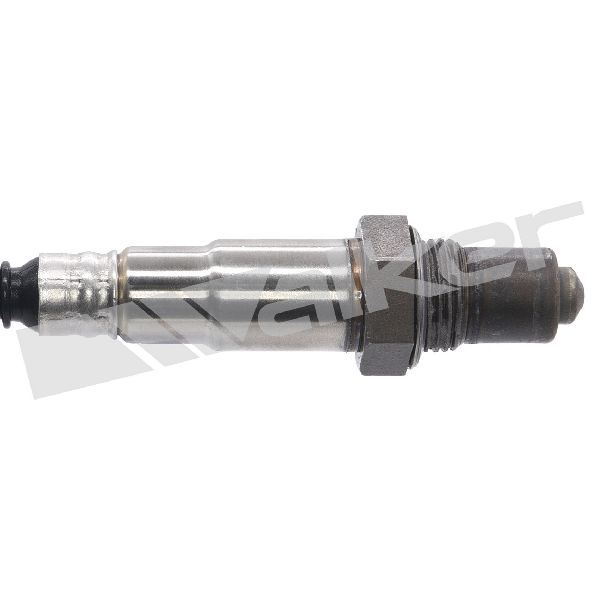
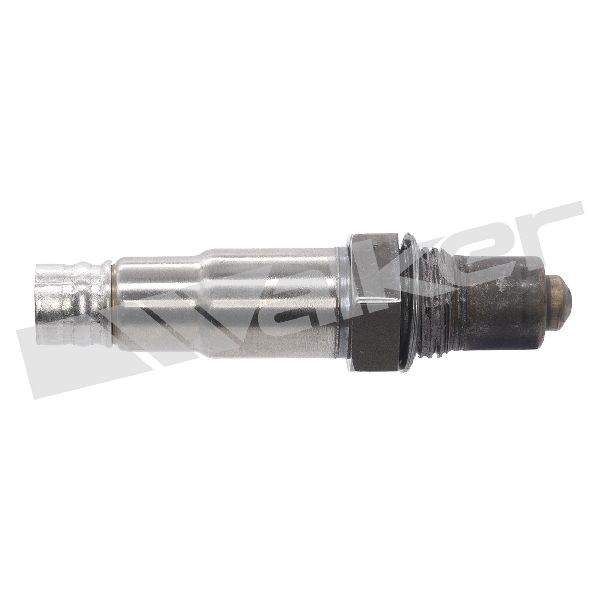
Brands like Delphi and Walker offer a solid balance of quality and value. They produce reliable, direct-fit sensors that meet or exceed OEM standards and are a good alternative if a Tier 1 brand isn't available or is outside your budget.
Tier 3: Budget-Friendly Options (DriveWire, Facet, Spectra)
These brands provide a low-cost alternative for repairs. While functional, they may not offer the same lifespan or precise calibration as higher-tier brands. They can be a suitable choice for a budget-focused repair, but be aware that long-term reliability might be lower.
Universal vs. Direct-Fit Sensors
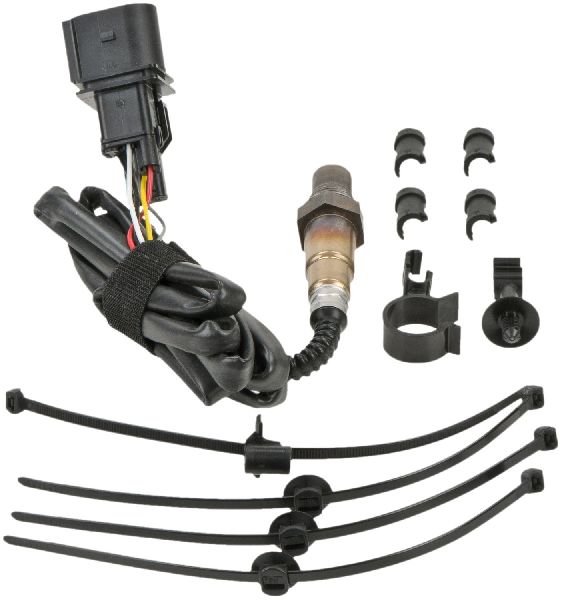
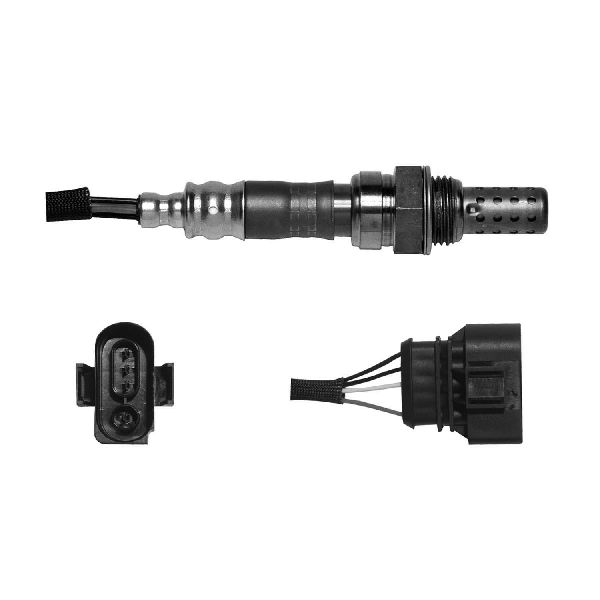
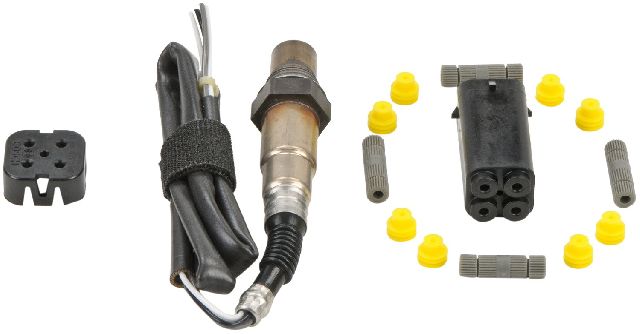
Always choose a direct-fit oxygen sensor. These come with the correct electrical connector for your EuroVan, making installation simple and reliable. 🎬 Watch: A step-by-step guide to replacing your oxygen sensor. Universal sensors require you to cut the old connector off and splice it onto the new sensor's wires. This can lead to connection problems and sensor failure if not done perfectly.
Cost of Replacing a Volkswagen EuroVan Oxygen Sensor
The cost can vary depending on the brand of the part and labor rates in your area. Your EuroVan may have one or two sensors (upstream and downstream), depending on the year and engine (5-cylinder vs. VR6). Later models, especially those with the VR6 engine, will have a downstream sensor after the catalytic converter.
🎬 See how to diagnose and fix a Bank 1 Sensor 2 code.| Item | Estimated Cost |
|---|---|
| New Aftermarket Oxygen Sensor | $28 - $164 |
| Shop Labor | $60 - $120 |
| Total Estimated Cost | $88 - $284 |
Frequently Asked Questions (FAQ)
How many oxygen sensors does my EuroVan have?
It depends on the year and engine. Early models with the 5-cylinder engine typically have one "upstream" sensor located in the exhaust manifold before the catalytic converter. Later models, particularly those from the late 1990s and early 2000s with the VR6 engine, usually have two sensors: one upstream (before the catalytic converter) and one "downstream" (after the catalytic converter). The upstream sensor controls fuel mixture, while the downstream sensor monitors the catalytic converter's efficiency.
What is the difference between an upstream and downstream sensor?
The upstream sensor (also called Bank 1, Sensor 1) is located before the catalytic converter and is the primary sensor used by the engine computer to adjust the air-fuel ratio. The downstream sensor (Bank 1, Sensor 2) is located after the catalytic converter and its main job is to make sure the converter is working correctly by comparing its reading to the upstream sensor's reading.
Can I clean my old oxygen sensor?
While some people attempt to clean O2 sensors, it is not a reliable or recommended repair. The sensing element can become contaminated internally over time from oil, coolant, or fuel additives, and cleaning the exterior will not fix this. Replacement is the only guaranteed solution for a faulty sensor.
What happens if I don't replace a bad oxygen sensor?
Continuing to drive with a bad O2 sensor will cause poor fuel economy and high emissions. Over time, a rich fuel mixture can overheat and damage the catalytic converter, which is a much more expensive repair than replacing the sensor itself.
Helpful Videos

Technical Specifications
OEM Part Numbers: 037906265G 03L906262B 1K0998262D
Sensors for the EuroVan are typically heated and use either a 3, 4, or 5-wire configuration depending on the specific year and engine type (5-cylinder or VR6). Always verify the part by your vehicle's VIN.
We Have This Part in Stock

The information in this article is provided for general reference and educational purposes only. Vehicle specifications, procedures, and part compatibility can vary by production date, trim level, and region. Always consult your vehicle's factory service manual and verify part numbers before purchasing or performing repairs. Safety-critical components such as airbags, seat belts, and braking systems should be installed by a qualified professional.
- Volkswagen EuroVan: