

Engine Cooling Fan Blade Replacement for 1992-2005 BMW 320i (E36 & E46)
A critical guide to replacing the engine-driven cooling fan blade on your E36 or E46 BMW 320i before it fails.
- Catastrophic fan blade failure is a common and well-documented issue on 1992-2005 BMW 320i models.
- Preventative replacement of the fan blade and fan clutch is strongly recommended to avoid expensive collateral damage.
- Symptoms of a failing system include overheating at idle, visible cracks on the blades, and loud roaring noises from the engine.
- Aftermarket brands like Dorman are a viable option, but always replace the fan clutch at the same time as the blade.
Is Your BMW 320i's Fan Blade a Ticking Time Bomb?
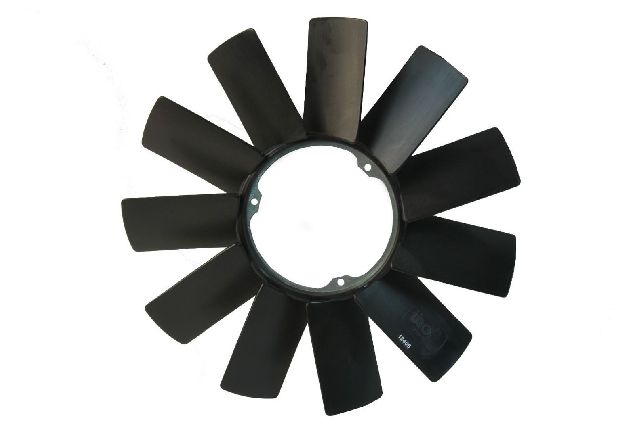
For owners of the E36 (1992-1998) and E46 (1999-2005) generation 320i, the engine-driven cooling fan is a well-known point of failure. Over time, the plastic blades become brittle from age and countless heat cycles. This can lead to catastrophic failure where one or more blades break off at high speed, an event often called a "fan explosion" by owners. This failure can cause significant damage, sending plastic shrapnel into the radiator, coolant hoses, and even denting the hood from underneath. Because of this risk, inspecting and preventatively replacing the fan blade is a common maintenance item for these cars.
Critical Failure Warning
A failed fan blade can destroy your radiator, fan shroud, and hoses, leading to major coolant loss and potential engine overheating. The cost of these collateral repairs often far exceeds the cost of a new fan blade.
Symptoms of a Failing Fan Blade or Clutch
While a catastrophic failure can happen without warning, there are sometimes signs that your cooling fan system needs attention. These often relate to the fan clutch, which should be replaced along with the blade.
- Overheating at Idle: If your temperature gauge climbs in traffic but is normal at highway speeds, it's a classic sign the fan isn't pulling enough air. This is often a symptom of a bad fan clutch.
- Visible Cracks: During any under-hood inspection, carefully check each fan blade for hairline cracks, especially around the base where they meet the center hub. Any visible crack means the fan needs immediate replacement.
- Loud Roaring Noise: If the fan clutch seizes, it can cause the fan to spin at full engine speed constantly, creating a loud roaring sound. This excessive speed is what often leads to the blades breaking apart.
- Wobble or Noise: A failing bearing in the fan clutch can cause the fan assembly to wobble or make grinding noises. This imbalance also stresses the plastic blades and can lead to failure.
Choosing the Right Aftermarket Fan Blade
For a vehicle of this age, using aftermarket parts is a common way to save money. However, quality can vary. For a critical part like the fan blade, it's important to choose wisely.
OEM vs. Aftermarket: A Genuine BMW fan blade offers the highest assurance of quality and fitment, but at a premium price. Aftermarket brands provide a more budget-friendly alternative. For the 1992-2005 320i, aftermarket blades are a viable and popular option, provided you choose a reputable brand.
Brand Tiers for Your BMW 320i:
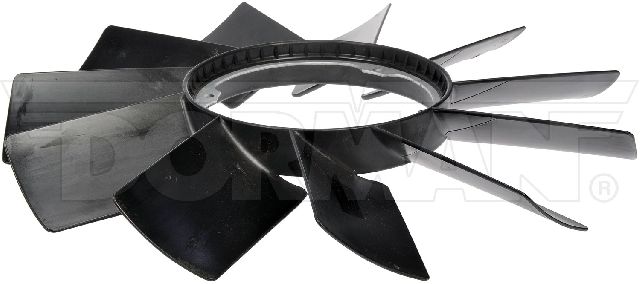
- Dorman: Dorman is a widely available aftermarket brand that produces direct replacement parts. Their fan blades are designed to match the fit and function of the original and are a cost-effective solution for restoring the cooling system.
- URO Parts: URO Parts is another popular aftermarket choice, often priced very competitively. However, owner feedback on forums is mixed. Some users have reported issues with URO fan clutches failing or being excessively loud, which can put stress on the fan blade. While some have used their parts without issue, others recommend avoiding them for critical components.
Pro Tip: Replace as a Set
It is highly recommended to replace the fan clutch at the same time as the fan blade. A failing clutch is a primary cause of fan blade failure. Ignoring the clutch means you might have to do the job twice, and you risk destroying your new fan blade.
| Part | Estimated Cost |
|---|---|
| New Aftermarket Fan Blade | $34 - $76 |
| New OEM Fan Blade | $90 - $150 |
| Shop Labor | $110 - $161 |
Frequently Asked Questions
Is it safe to use an aftermarket fan blade on my BMW?
Yes, it can be safe, but it's important to use a brand with a good reputation. Given the known failure mode of this part, inspect any fan blade, OEM or aftermarket, for manufacturing defects before installation and for cracks at every oil change.
How difficult is it to replace the engine fan blade?
For a DIY mechanic with the right tools, this is a relatively straightforward job. The main challenge is removing the large nut that holds the fan clutch to the water pump, which requires a special thin wrench and a tool to hold the pulley. The job typically takes about 1-2 hours.
Are there any recalls for the 1992-2005 BMW 320i fan blade?
Searches for recalls specifically for the fan blade on the E36 and E46 320i did not show any active campaigns. There was a recall in 2001 for a faulty fan switch on some 3-series models, but this was related to the electric auxiliary fan, not the engine-driven fan blade itself.
Should I upgrade to an electric fan?
Some owners choose to eliminate the mechanical fan and clutch entirely and install a standalone electric fan. This is a popular modification that can slightly improve engine response and fuel economy. However, it is a more complex and expensive conversion that requires proper wiring and a thermostatic switch to ensure it runs when needed.
Technical Specifications
OEM Part Numbers: 11521712058
The 1992-2005 BMW 320i uses a mechanically-driven fan blade attached to a viscous fan clutch. The blade pulls air through the radiator and is separate from the auxiliary electric fan used for the A/C system.
We Have This Part in Stock

The information in this article is provided for general reference and educational purposes only. Vehicle specifications, procedures, and part compatibility can vary by production date, trim level, and region. Always consult your vehicle's factory service manual and verify part numbers before purchasing or performing repairs. Safety-critical components such as airbags, seat belts, and braking systems should be installed by a qualified professional.
- BMW 320i: