

Chevrolet Astro Engine Intake Manifold Temperature Sensor Guide (1992-2005)
Diagnose and replace the intake air temperature sensor on your 1992-2005 Chevy Astro van.
- A bad IAT sensor commonly causes poor fuel economy, rough idle, and a Check Engine Light with codes like P0110 or P0113.
- Replacement is very easy for a DIYer and takes less than 15 minutes.
- Do not confuse the IAT sensor with the Engine Coolant Temperature (ECT) sensor; they are different parts.
- A premium aftermarket brand like Standard Ignition offers a reliable repair, while AC Delco is the OEM benchmark.
Is your Chevy Astro running rough or getting bad gas mileage?
A failing Engine Intake Manifold Temperature Sensor (also called an IAT sensor) could be the problem. This small sensor plays a big role in how your 4.3L V6 engine performs. When it fails, it can send incorrect information to your van's computer, leading to a variety of noticeable issues. This guide covers the symptoms, replacement brands, and what to expect when replacing this part on your 1992-2005 Chevrolet Astro.
Symptoms of a Bad IAT Sensor
A faulty IAT sensor can make your engine run too rich (too much fuel) or too lean (not enough fuel). The most common signs include:
- Poor Fuel Economy: The computer may inject more fuel than needed, causing you to fill up more often.
- Rough Idle: The engine may idle unevenly or feel shaky when you're stopped.
- Engine Hesitation: You might notice a delay or sluggish response when you press the gas pedal.
- Hard Starting: The engine may be difficult to start, especially in cold weather.
- Check Engine Light: A failing sensor will often trigger the check engine light. Common trouble codes include P0110, P0112, and P0113. 🎬 Watch this ultimate guide to fixing these common IAT trouble codes. A P0113 code is common and points to a high voltage signal, often caused by a broken wire or unplugged sensor.
Known Issues & Recalls
As of early 2026, there are no specific recalls or Technical Service Bulletins (TSBs) from Chevrolet or the NHTSA for the Intake Air Temperature sensor on the 1992-2005 Chevrolet Astro. Any issues are typically due to normal part failure over time.
Choosing the Right Aftermarket Sensor
For this part, you don't necessarily need to buy from the dealer. Aftermarket quality is generally sufficient for a simple sensor like the IAT. Your main choices are the original part and aftermarket alternatives.
- OEM (AC Delco): AC Delco is the original equipment manufacturer for GM vehicles. Choosing AC Delco guarantees a perfect fit and the same performance as the part your Astro was built with. It's the safest, most reliable choice.
- Premium Aftermarket (Standard Ignition): Brands like Standard Ignition (also known as Standard Motor Products or SMP) are reputable in the aftermarket. They produce high-quality replacement parts that are designed to meet or exceed OEM specifications and are extensively tested. This is a dependable option that often costs less than OEM.
- Budget Aftermarket (True Tech): "True Tech" appears to be a private-label or store brand, not a primary manufacturer. While it may be the most affordable option, there is no public data on its long-term quality or reliability. It can be a good choice if the budget is the top priority, but it may not have the same lifespan as an OEM or premium aftermarket part.
Common Ordering Mistake
Do not confuse the Intake Air Temperature (IAT) sensor with the Engine Coolant Temperature (ECT) sensor. They look similar, but have different functions and locations. The IAT sensor for the 4.3L V6 is a two-wire sensor that screws into the intake manifold or air intake duct, while the ECT sensor is located on the engine block or cylinder head and threads into a coolant passage.
Cost of Replacing an IAT Sensor
| Part Type | Cost Range |
|---|---|
| New Aftermarket | $19.54 - $22.41 |
| New OEM (AC Delco) | $20 - $35 |
| Shop Labor | $50 - $100 |
Cost estimates are for the part only and do not include taxes or shipping. Labor costs are estimates and will vary by location.
Frequently Asked Questions
Where is the IAT sensor located on a Chevy Astro?
On the 4.3L V6 engine used in the 1992-2005 Astro, the IAT sensor is typically screwed into the plastic air intake duct between the air filter box and the throttle body, or directly into the intake manifold itself. It is a small, two-wire plastic sensor that is easy to access from the front of the engine bay.
Can I clean a dirty IAT sensor instead of replacing it?
Sometimes, yes. If the sensor is just dirty with oil or carbon buildup, you can try cleaning it carefully with a dedicated Mass Airflow Sensor cleaner. Do not touch the sensor tip with your fingers or a brush. However, if the sensor has failed electrically (which is common), cleaning will not fix the problem and it must be replaced.
🎬 See how to fix a dirty sensor or clear code P0113.Is this a difficult part to replace myself?
No, this is a very easy DIY job. It usually requires no special tools beyond a wrench or socket to unscrew the old sensor. The process is to simply unplug the electrical connector, unscrew the sensor, screw the new one in, and reconnect the plug. It should take less than 15 minutes.
🎬 Watch a quick walkthrough of the sensor replacement process.What happens if I don't replace a bad IAT sensor?
You can continue to drive the vehicle, but you will experience symptoms like poor gas mileage, rough running, and hesitation. Your vehicle will also produce higher emissions and may not pass an emissions test. Over the long term, running a very rich or lean fuel mixture is not ideal for engine health.
Helpful Videos

![How to Fix P0113 Engine Code in 3 Minutes [2 DIY Methods / Only $7.76]](https://img.youtube.com/vi/G2TGoI6ozA8/mqdefault.jpg)


Technical Specifications
OEM Part Numbers: 12160244
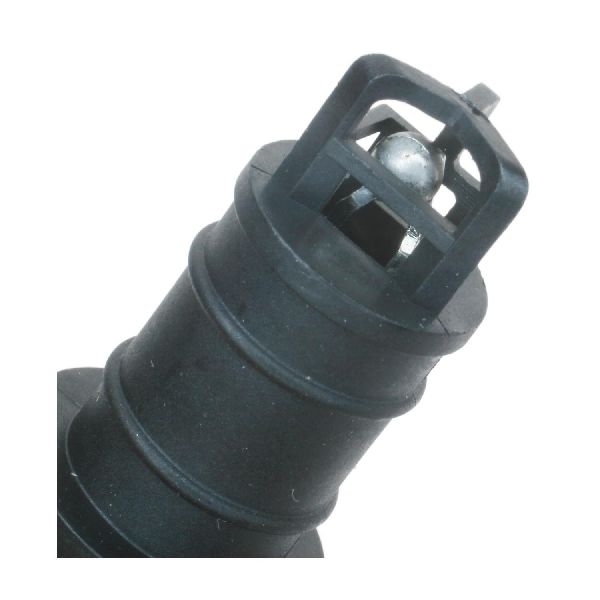
The sensor is a two-terminal thermistor that screws into the intake tract. It changes resistance based on air temperature to modify a 5-volt reference signal sent by the ECU.
We Have This Part in Stock


The information in this article is provided for general reference and educational purposes only. Vehicle specifications, procedures, and part compatibility can vary by production date, trim level, and region. Always consult your vehicle's factory service manual and verify part numbers before purchasing or performing repairs. Safety-critical components such as airbags, seat belts, and braking systems should be installed by a qualified professional.
- Chevrolet Astro: