

Dodge Viper Power Steering Pump: A Guide for 1992-2006 Models
Address steering whine and leaks by choosing the right power steering pump for your Viper.
- For 1992-2002 Vipers, upgrading the failure-prone plastic pulley to a billet aluminum one is a critical preventative repair.
- For 2003-2006 Vipers, verify you are using the correct fluid (typically ATF+4) to prevent pump damage.
- When replacing a failed pump, always flush the entire power steering system to remove metal contaminants that will damage the new pump.
- Aftermarket remanufactured pumps from brands like Cardone and BBB Industries have very mixed reviews; inspect them carefully and be aware of the potential for defects.
Symptoms of a Failing Dodge Viper Power Steering Pump
A failing power steering pump rarely dies without warning. Viper owners should watch for these common signs that indicate it's time for a replacement.
- Whining or Groaning Noises: The most common symptom is a distinct whining or groaning sound that changes with engine RPM. The noise will often get louder when you turn the steering wheel. This is often caused by low fluid, air in the system, or internal wear.
- Stiff Steering: If turning the wheel, especially at parking lot speeds, suddenly requires a lot of muscle, the pump is likely not providing enough hydraulic pressure.
- Fluid Leaks: Puddles of reddish-brown fluid under the front of your car are a clear sign of a leak. On Vipers, leaks often come from the pump housing itself, the reservoir O-ring, or the high-pressure lines connected to the pump.
- Sudden Belt Failure: In a severe failure, the power steering pump can seize completely. Because it runs on the main serpentine belt, a seized pump can stop the belt from turning, which also stops the water pump and alternator, leading to rapid overheating and loss of electrical power.
Known Issues & Essential Upgrades for Vipers
For Gen 1 & 2 (1992-2002) Vipers:
- Plastic Pulley Failure: The original power steering pump pulley is made of plastic and is a notorious failure point. With age and heat, it can crack and break apart, throwing the serpentine belt and leaving you stranded. It is highly recommended to upgrade to a billet aluminum pulley, which is a permanent solution.
- Leaking Reservoir Cap: The stock plastic reservoir cap can have a loose fit, allowing it to vibrate off and spill fluid directly onto the hot exhaust manifold, creating a serious fire risk. Owners often upgrade to a billet screw-on cap or use a vent tube kit to route fluid away from the exhaust.
For Gen 3 (2003-2006) Vipers:
- Leaking Hose Fittings: These models are more prone to leaks from the power steering hose fittings at the pump rather than pump or pulley failure.
- Correct Fluid is Critical: Ensure you are using the correct fluid. Models from 2004 and later specify ATF+4 fluid, not standard power steering fluid. Using the wrong fluid can cause pump noise and premature failure.
Choosing the Right Aftermarket Power Steering Pump
For a high-performance car like the Dodge Viper, part quality matters. While a new OEM pump is an option, the aftermarket offers several choices at different price points. Aftermarket pumps for the Viper are typically remanufactured units.
Remanufactured vs. New
Most aftermarket options are 'remanufactured'. This means a used OEM pump (the 'core') has been disassembled, cleaned, inspected, and rebuilt with new seals, O-rings, and other components that commonly wear out. A 'new' aftermarket pump is built from scratch. While 'new' sounds better, quality depends entirely on the manufacturer, and a well-remanufactured OEM unit can be superior to a poorly made new one.
Aftermarket Brand Tiers for Your Viper
Based on owner feedback and general reputation, aftermarket brands can be grouped into tiers.
- Tier 1: Premium Remanufactured / Performance (Higher Cost): Brands like Maval or high-performance specialty pumps are built for durability, sometimes for racing applications. While not always necessary for a street-driven car, they offer peace of mind.
- Tier 2: Standard Remanufactured (Moderate Cost): This tier includes major brands like Cardone and BBB Industries. These are widely available and often come with warranties. However, quality can be inconsistent. Forum discussions show that some owners have success, while others report receiving defective units or experiencing early failures. When buying from this tier, inspect the part carefully before installation and be prepared to use the warranty if needed.
- Tier 3: Economy (Lowest Cost): This includes generic or store brands, often labeled as 'Replacement'. These are the most budget-friendly options, but quality control can be a significant concern. They are best suited for a quick fix on a limited budget, but may not offer the long-term reliability a Viper owner expects.
Pro Tip: Flush the System!
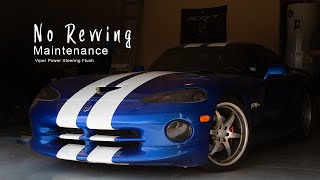
When a pump fails, it can send small metal particles throughout the steering system, including the lines, cooler, and steering rack. If you don't thoroughly flush this contaminated fluid out, the debris will destroy your new pump, leading to another failure. Always flush the system completely before installing a new pump.
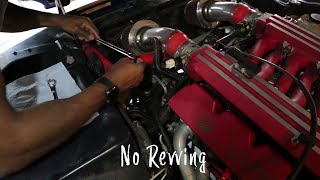
🎬 Watch this video to learn how to flush your fluid.Cost of Replacing a Dodge Viper Power Steering Pump
The total cost will depend on the part you choose and whether you do the work yourself.
🎬 Watch: Step-by-step Gen 2 power steering pump replacement guide.| Part Type | Estimated Cost |
|---|---|
| New Aftermarket | $85 - $323 |
| Remanufactured | $90 - $250 |
| New OEM | $400 - $600+ |
| Shop Labor | $250 - $500 |
Frequently Asked Questions
What fluid should I use in my Viper's power steering system?
This is critical. For 2003 Vipers, check your service manual, as there was some transition. For 2004-2006 Vipers, the factory fill is ATF+4 automatic transmission fluid, NOT standard power steering fluid. Using the wrong type can cause damage. For earlier 1992-2002 models, consult your owner's manual, but they typically use standard power steering fluid.
Can I replace just the pulley?
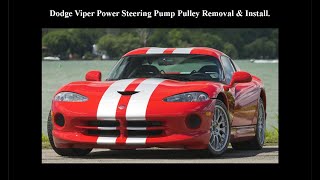
Yes. If your pump is working fine but you have an early model with the plastic pulley, you can and should replace just the pulley as a preventative upgrade. This requires a special power steering pulley puller/installer tool.
🎬 See how to remove and install the Viper pulley correctly.Do I need to bleed the system after replacing the pump?
Absolutely. Air trapped in the system will cause whining, poor performance, and can damage the new pump. To bleed it, fill the reservoir, and with the engine running, slowly turn the steering wheel from full left lock to full right lock several times until the noise disappears and the fluid level remains stable.
Why is my new aftermarket pump whining?
The most common reason is air still trapped in the system (cavitation). Continue the bleeding procedure. If it persists, it could be from a leak on the low-pressure return side letting air in, or it could be a defective pump.
Helpful Videos
Technical Specifications
OEM Part Numbers: OEM part numbers vary significantly across the 1992-2006 model years and generations. Always verify the part number with your vehicle's VIN.
Reservoir: Included on most units. Pulley: Not included, must be transferred or replaced. Pulley Attachment: Press-On. Fluid Type: Varies by year (check manual), Gen 3 (2004+) typically uses ATF+4.
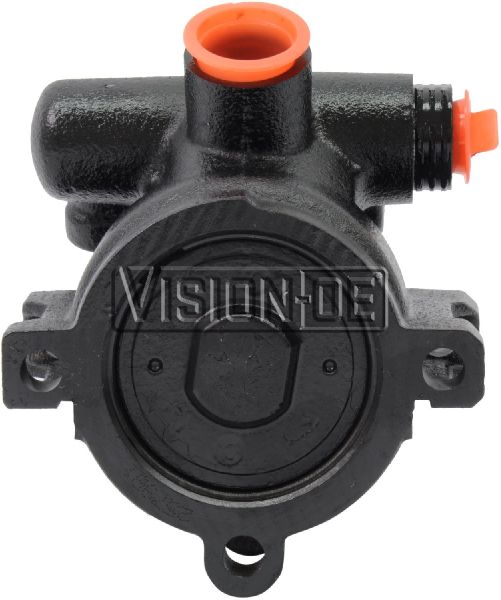
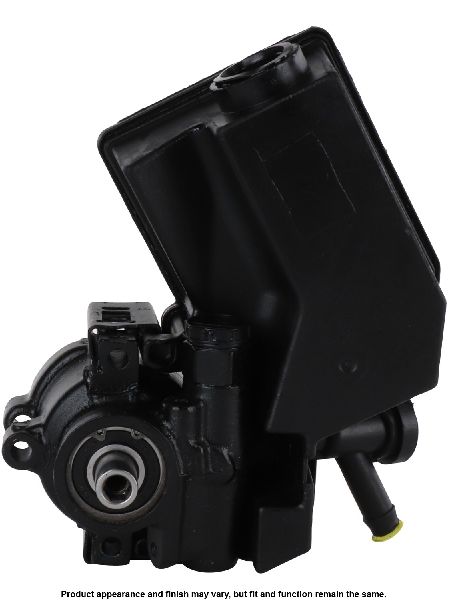
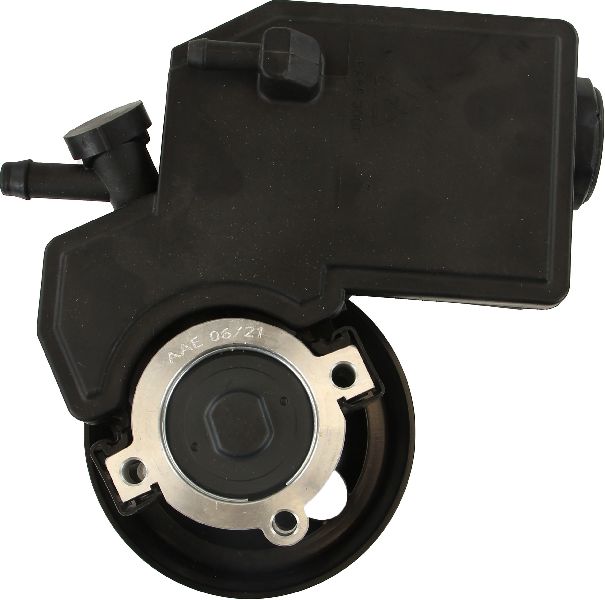
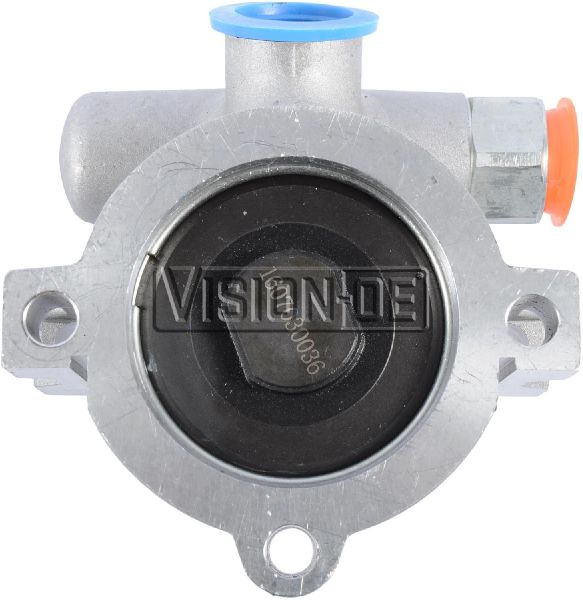
We Have This Part in Stock

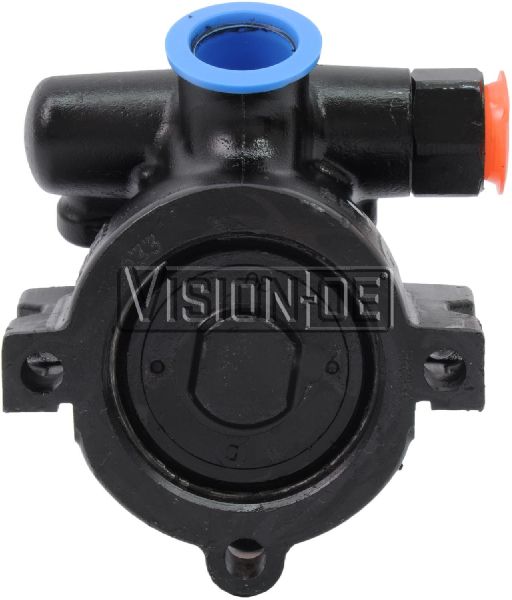

The information in this article is provided for general reference and educational purposes only. Vehicle specifications, procedures, and part compatibility can vary by production date, trim level, and region. Always consult your vehicle's factory service manual and verify part numbers before purchasing or performing repairs. Safety-critical components such as airbags, seat belts, and braking systems should be installed by a qualified professional.
- Dodge Viper:
- 🎬 Helpful Videos
- 🛍️ Shop This Part
- Symptoms of a Failing Dodge Viper Power Steering Pump
- Known Issues & Essential Upgrades for Vipers
- Choosing the Right Aftermarket Power Steering Pump
- Remanufactured vs. New
- Aftermarket Brand Tiers for Your Viper
- Pro Tip: Flush the System!
- Cost of Replacing a Dodge Viper Power Steering Pump
- Frequently Asked Questions
- 🎟️ Get 5% Off