

Toyota Camry Engine Camshaft Position Sensor: A Guide for 1992-2006 Models
Understand the symptoms of a failing camshaft sensor in your Camry and how to choose the right replacement part.
- A bad camshaft sensor will trigger a Check Engine Light (P0340) and can cause stalling, rough running, or a no-start condition.
- Denso is the original manufacturer and the most reliable replacement choice; high-quality aftermarket brands like Delphi and NGK are good alternatives.
- V6 Camry engines have two camshaft sensors; 4-cylinder engines have one. The diagnostic code will specify which sensor has failed on a V6.
- Replacement is a simple DIY task for most owners, requiring basic tools and about 30 minutes.
Is Your Camry Experiencing These Symptoms?
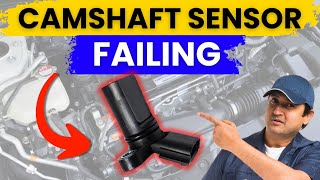
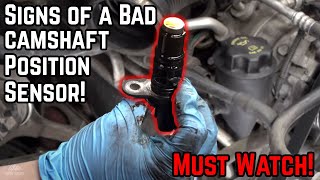
A failing camshaft position sensor can cause problems that range from annoying to leaving you stranded. The first and most common sign is the Check Engine Light illuminating on your dashboard. You may also notice your engine running poorly. This can feel like a rough idle, engine hesitation or sputtering, poor acceleration, and a general lack of power. In more serious cases, the engine may take a long time to start or may crank but refuse to start at all. Some owners also report unexpected stalling, which can be dangerous if it happens while driving.
4-Cylinder vs. V6 Engines: What You Need to Know
The location and number of camshaft position sensors in your 1992-2006 Camry depend on the engine you have.
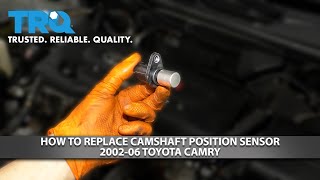
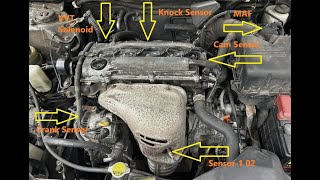
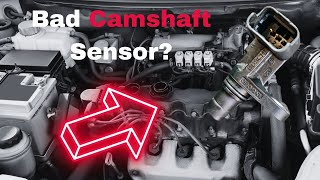
- 4-Cylinder Engines (5S-FE, 2AZ-FE): These engines have a single camshaft position sensor. On the popular 2002-2006 models with the 2.4L (2AZ-FE) engine, the sensor is located on the left side of the cylinder head (the driver's side). Access is straightforward, though you may need to remove the air filter box assembly to reach it.
- V6 Engines (1MZ-FE, 3MZ-FE): These engines have two camshaft position sensors, one for each cylinder bank (Bank 1 and Bank 2). They are typically found at the rear of each cylinder head cover. If you have a Check Engine Light, the specific code will tell you which bank's sensor is having an issue (e.g., P0340 for Bank 1). Many mechanics recommend replacing both sensors at the same time, especially on higher-mileage vehicles.
Choosing the Right Aftermarket Sensor
When it comes to electronic sensors, not all aftermarket brands are created equal. For a critical part like the camshaft position sensor, choosing a quality brand can save you from having to do the job twice.
Here’s a breakdown of brand quality for your Camry:
- Tier 1 (OEM-Equivalent): Denso is the Original Equipment Manufacturer for Toyota. Choosing a Denso sensor is the closest you can get to buying the part from a Toyota dealership, ensuring the best fit and reliability. Brands like NGK/NTK and Hitachi are also OEM suppliers for many Japanese vehicles and are considered top-tier choices.
- Tier 2 (Quality Aftermarket): Brands like Delphi, Standard Ignition (SMP), and Walker Products have a strong reputation for producing reliable sensors that meet or exceed OEM specifications. They offer a good balance of quality and price. Beck Arnley is also a well-regarded brand that often sources parts from OEM manufacturers.
- Tier 3 (Economy/Value): Brands like Dorman, URO Parts, and other lower-priced options can be a good value for budget-conscious repairs. However, forum discussions and mechanic feedback suggest that the quality of electronic sensors from these brands can be inconsistent. While they may work fine, there is a higher reported risk of premature failure compared to Tier 1 or Tier 2 brands.
Camry Camshaft Position Sensor Cost
| Part Type | Estimated Cost |
|---|---|
| New OEM (Denso) | $75 - $150 |
| New Aftermarket | $21.89 - $111.85 |
| Shop Labor for Replacement | $50 - $125 |
Frequently Asked Questions
Is it safe to drive with a bad camshaft position sensor?
It is not recommended. While the car might run, a failing sensor can cause the engine to stall unexpectedly at any time, including at high speeds, which is a serious safety risk. It's best to get it replaced as soon as possible.
How difficult is it to replace the camshaft sensor on a Camry?
For most 1992-2006 Camry models, this is an easy DIY repair. It typically involves removing the air filter housing for better access, unplugging the electrical connector, and removing a single 10mm bolt. The entire job can usually be done in under an hour with basic hand tools.
Does a P0340 code always mean the sensor is bad?
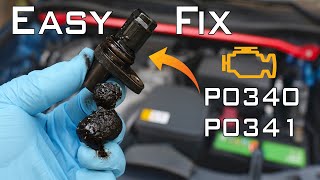
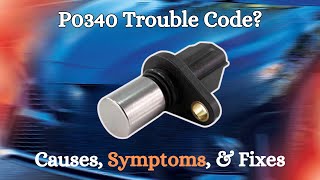
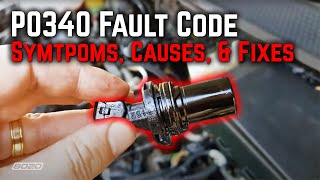
Not always. The code P0340 means there is a malfunction in the camshaft position sensor circuit. This could be the sensor itself, but it could also be caused by damaged wiring, a loose or corroded connector, or even a problem with the engine's timing belt or chain. Always inspect the wiring and connector before replacing the part.
Should I buy an OEM Denso sensor or is aftermarket okay?
For critical electronic parts on a Toyota, using the OEM Denso part is highly recommended for long-term reliability. If a Denso part is not available, a high-quality aftermarket brand like Delphi or NGK is a good second choice. It is often advised to avoid the cheapest generic options, as they have a higher rate of failure.
Helpful Videos

Technical Specifications
OEM Part Numbers: 90919-05013 90919-05026 90919-A5007 19300-74010
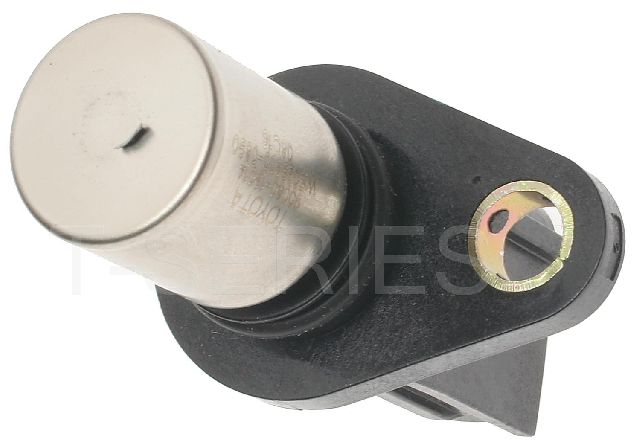
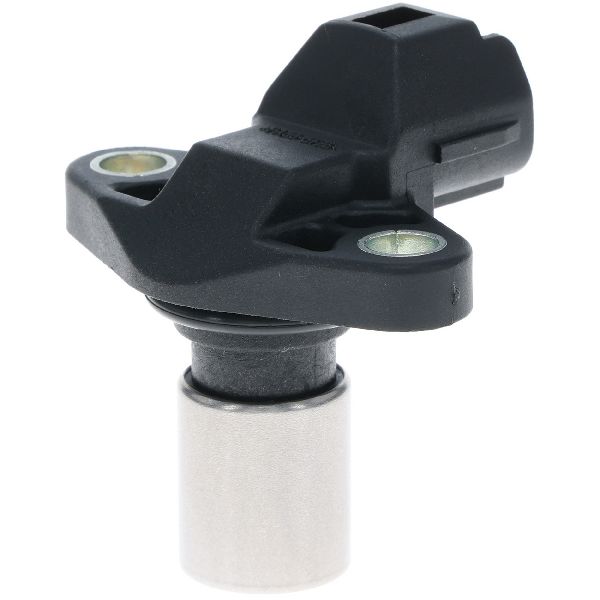
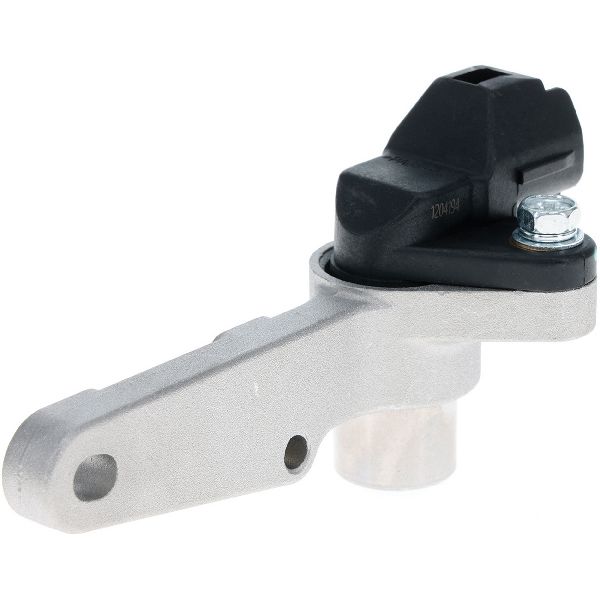
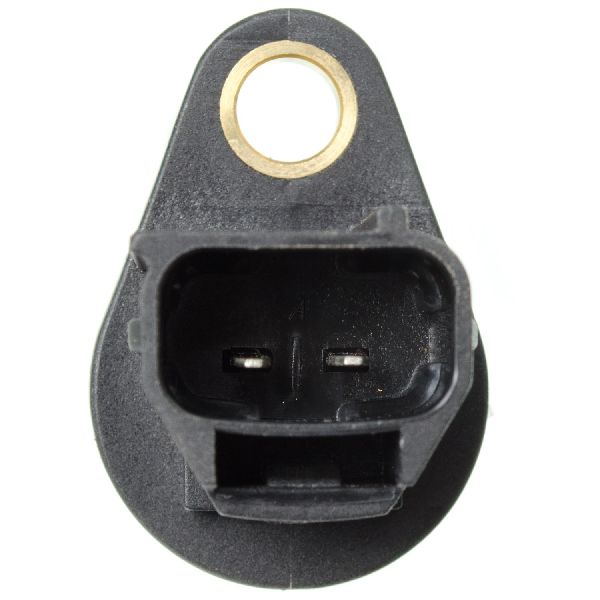
The sensor is a Hall effect or magnetic pickup type that generates a signal based on the rotation of the camshaft. It is typically held in place by a single 10mm bolt and uses a 3-pin electrical connector.
We Have This Part in Stock


The information in this article is provided for general reference and educational purposes only. Vehicle specifications, procedures, and part compatibility can vary by production date, trim level, and region. Always consult your vehicle's factory service manual and verify part numbers before purchasing or performing repairs. Safety-critical components such as airbags, seat belts, and braking systems should be installed by a qualified professional.
- Toyota Camry: