

A Guide to Replacing Suspension Struts on the 1992-2006 Toyota Camry
Restore your Camry's legendary smooth ride and handling by choosing the right replacement struts.
- For safety and performance, always replace struts in pairs (front or rear).
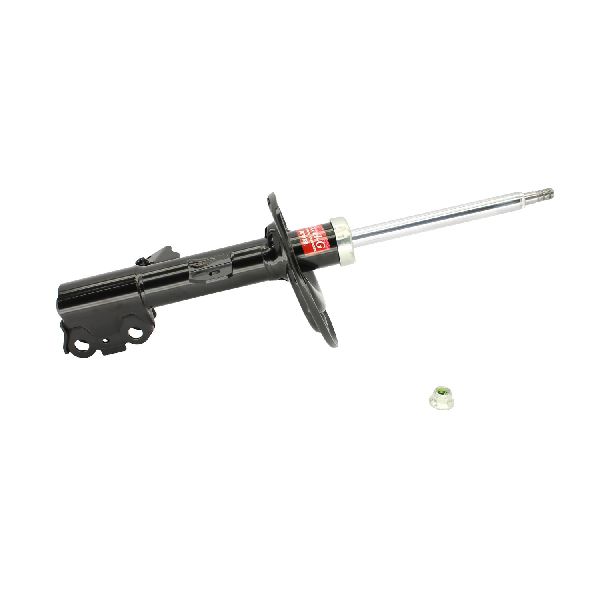
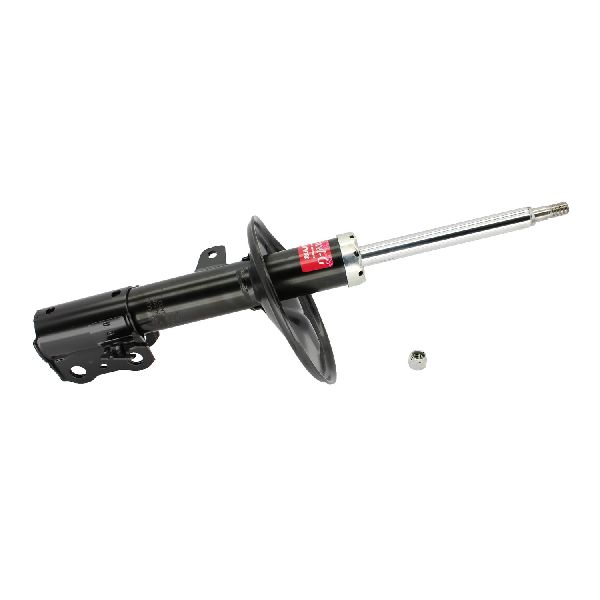
- Buy complete strut assemblies ('Quick Struts') to make the job safer, faster, and more reliable.
- KYB offers performance similar to original parts, while Monroe offers a softer ride at a good value.
- A four-wheel alignment is mandatory after replacing your struts to prevent tire damage and handling issues.
Signs of a Failing Suspension Strut

When your Camry's struts wear out, you'll notice a clear decline in ride quality and safety. The signs often start small and get worse over time. Here’s what to look and listen for:
- Bouncy Ride: The most common symptom. Your car will continue to bounce up and down after hitting bumps or dips in the road. You can test this by pushing down hard on one corner of the car; if it bounces more than once, the strut is likely worn.
- Unusual Noises: Listen for clunking or knocking sounds when driving over bumps. This can be caused by metal-to-metal contact inside the worn strut or from worn mounting components.
- Poor Handling: You might feel the car “float” or wander at highway speeds. The vehicle may also sway or roll excessively when you turn or change lanes.
- Nose-Diving and Squatting: If the front end of your Camry dips sharply when you brake, or the rear end squats down when you accelerate, it’s a strong sign of bad struts.
- Uneven Tire Wear: Worn struts can cause tires to bounce slightly as you drive, scraping off rubber in patches. This is called “cupping” or “scalloping” and is a clear visual indicator of a suspension problem.
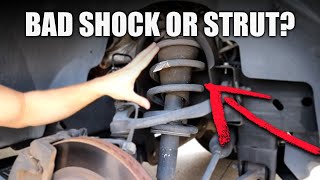
- Visible Leaks: Struts are filled with hydraulic fluid. If you see oily fluid leaking down the side of the strut body, the seals have failed and it needs to be replaced.
Choosing the Right Aftermarket Strut

For a vehicle in the 1992-2006 age range, aftermarket struts offer the best balance of price and performance. Original Equipment (OEM) parts from Toyota are high quality but often too expensive to justify for an older car. Aftermarket brands provide several tiers of quality and price.
Pro Tip: Buy Complete Strut Assemblies
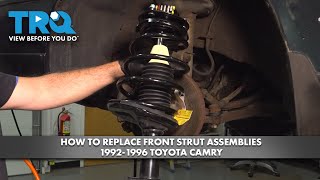
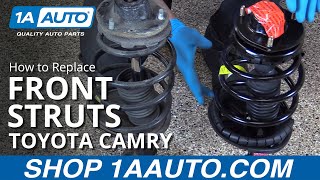
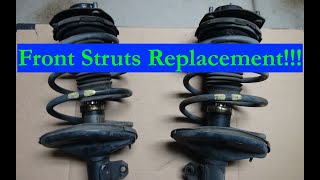
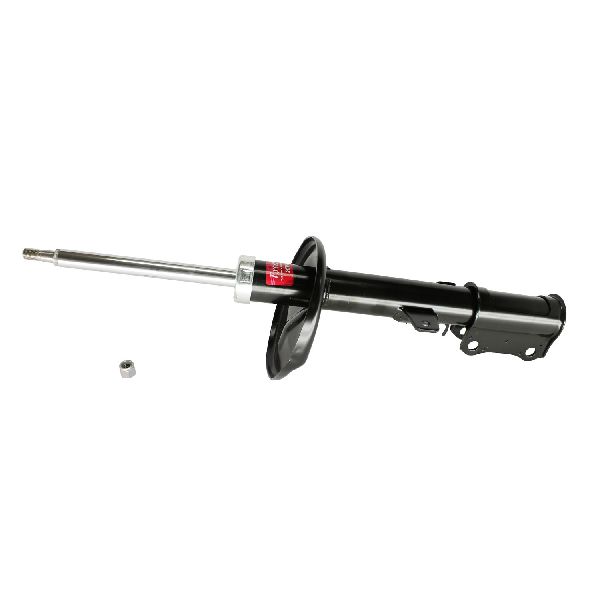
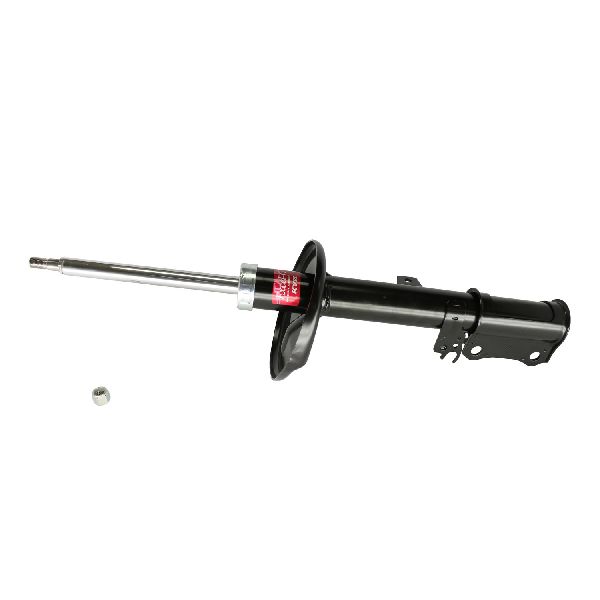
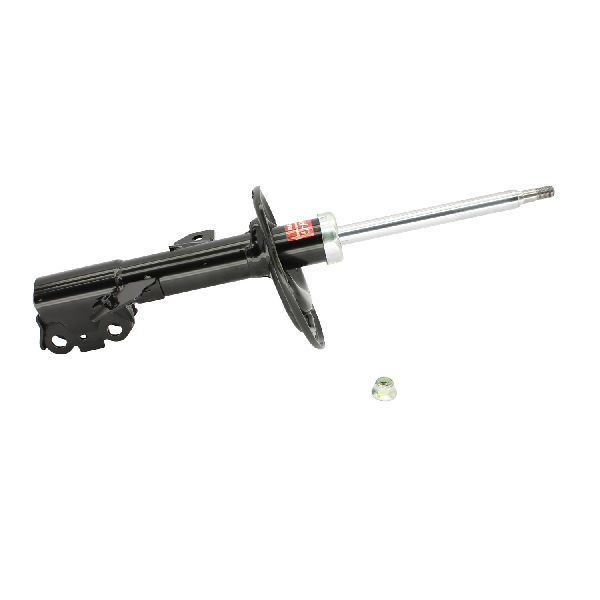
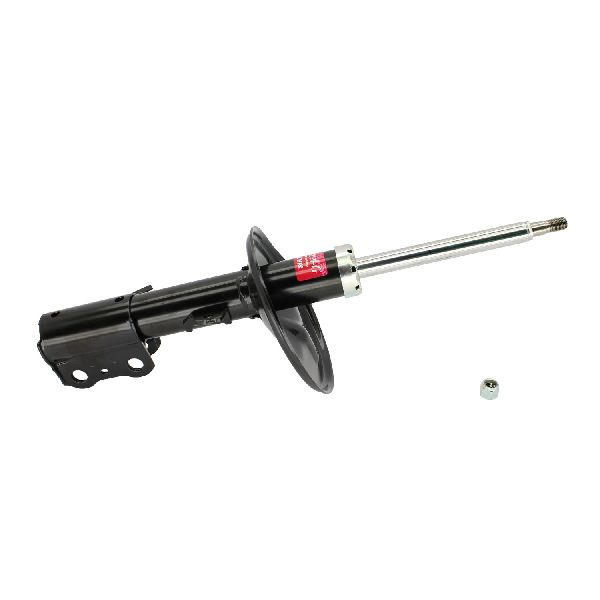
Always choose a "Quick Strut" or "Complete Strut Assembly." This is a single, pre-assembled unit that includes the strut, coil spring, and top mount. It makes the replacement job much faster and safer, as you won't need to use dangerous spring compressors. It also ensures all related components are new.
Brand Tiers for Your Camry
- Best (OEM Feel & Performance): KYB
KYB is a well-regarded Japanese brand that is an original equipment manufacturer for many automakers, including Toyota. Their struts are known for restoring the original handling and ride quality, and are often described as being slightly firmer than stock, which can improve handling. They are considered a top-tier aftermarket choice. - Better (Comfort & Value): Monroe
Monroe is a popular brand known for its OESpectrum and Quick-Strut lines. They generally provide a comfortable, smooth ride that is sometimes softer than the original. While many owners have had good experiences over many miles, some have reported issues with noise or premature failure, indicating quality can sometimes be inconsistent. They represent a solid middle-ground option. - Good (Budget-Friendly): FCS and PRT
FCS is an economy brand best suited for older, high-mileage vehicles where the main goal is to pass an inspection or keep the car on the road for another year or two. The ride quality and durability will not match premium brands, and some users report a rougher, noisier ride. PRT falls into a similar budget-to-mid-range category. These are a viable option if your budget is the primary concern.
Vehicle-Specific Issues & Notes

Check Your Generation
The 1992-2006 Camry covers three different generations: Gen 3 (1992-1996), Gen 4 (1997-2001), and Gen 5 (2002-2006). Suspension parts are not interchangeable between these generations. Ensure you are buying the correct part for your specific model year.
- TSB for 1997-1998 Models: Toyota issued a Technical Service Bulletin (TSB SU003-98) for a "groan or crunch noise" from the front suspension on some 1997-1998 Camrys. This was related to the front spring bumper. If you have this specific issue, a new complete strut assembly will resolve it.
- Strut Mount Noise: The 4th generation Camry (1997-2001) was known to have issues with noisy front strut mounts. This is another strong reason to buy a complete assembly, which includes a new mount and bearing.
- Recalls: There are no major suspension strut recalls for the 1992-2006 Toyota Camry models. Recalls found were for much newer model years.
| Part Type | Estimated Parts Cost (Pair) | Estimated Labor Cost (Pair) |
|---|---|---|
| New Aftermarket (Complete Assembly) | $110 - $290 | $280 - $420 |
| New OEM (Strut Only) | $350 - $500+ | $350 - $550+ (more labor required) |
Frequently Asked Questions
Do I have to replace all four struts at once?
It is highly recommended to replace struts in pairs (both front struts or both rear struts) at a minimum. Replacing just one can cause uneven handling and instability. For an older vehicle, if your budget allows, replacing all four will provide the best result in restoring the car's ride and handling.
Do I need a wheel alignment after replacing struts?
Yes, absolutely. A four-wheel alignment is necessary after replacing struts. The strut is a key part of the suspension's geometry, and replacing it will alter your car's alignment settings. Skipping this step will cause poor handling and rapid, uneven tire wear.
Is this a good DIY job?
If you use complete strut assemblies ("Quick Struts"), this job is manageable for an experienced DIY mechanic. It does not require special tools like spring compressors. However, it involves lifting the vehicle and removing heavy components, so it requires proper safety equipment and a good set of tools. A beginner should likely leave this job to a professional.
What are the most common noises from other suspension parts?
While struts are a common source of noise, don't forget about sway bar links and bushings. Worn sway bar components can cause a rattling or clunking noise over bumps and are a frequent issue on older Camrys. It's wise to inspect these parts when you are replacing your struts.
Helpful Videos
Technical Specifications
Fitment is specific to vehicle generation: Gen 3 (1992-1996), Gen 4 (1997-2001), and Gen 5 (2002-2006). Parts are not cross-compatible.
We Have This Part in Stock

The information in this article is provided for general reference and educational purposes only. Vehicle specifications, procedures, and part compatibility can vary by production date, trim level, and region. Always consult your vehicle's factory service manual and verify part numbers before purchasing or performing repairs. Safety-critical components such as airbags, seat belts, and braking systems should be installed by a qualified professional.
- Toyota Camry: