

Hyundai Elantra Engine Coolant Temperature Sensor: A Complete Guide (1992-2024)
Is your Elantra overheating, getting poor gas mileage, or showing a check engine light? The coolant sensor could be the problem.
- A failing ECT sensor on an Elantra commonly causes a check engine light, poor gas mileage, and overheating.
- Replacement is a simple, low-cost DIY job for most owners, typically taking less than 30 minutes.
- For 2021-2022 2.0L models, check for coolant leaks around the sensor, which could be related to a known TSB.
- Choosing a quality aftermarket brand like Delphi, Beck Arnley, or NGK/NTK is a reliable way to save money without sacrificing quality.
Symptoms of a Failing ECT Sensor on a Hyundai Elantra


When the Engine Coolant Temperature (ECT) sensor starts to fail, it sends incorrect information to your car's computer. This can cause a range of problems, from annoying to serious. Here are the most common signs that your Elantra's ECT sensor needs attention:
- Check Engine Light: This is often the first sign. A faulty sensor will trigger the computer to store a diagnostic trouble code (DTC) and illuminate the check engine light. Common codes related to the ECT sensor include P0115, P0117, P0118, P0125, and P0128. 🎬 Watch: Understanding P0118 and other coolant sensor codes.
- Poor Fuel Economy: If the sensor incorrectly tells the computer the engine is cold, the computer will enrich the fuel mixture, dumping more gas than needed. This causes your gas mileage to drop noticeably.
- Engine Overheating or Running Too Cool: A bad sensor can prevent the cooling fans from turning on when needed, leading to overheating. Conversely, it might tell the fans to run constantly or keep the system in an "open-loop" state, preventing the engine from reaching its ideal operating temperature.
- Erratic Temperature Gauge: The temperature gauge on your dashboard might swing wildly, stay stuck on cold, or jump straight to hot right after starting the car.
- Black Smoke from Exhaust: A rich fuel mixture caused by a bad sensor can result in unburned fuel exiting through the exhaust, creating black smoke.
Known Issue: 2021-2022 Elantra 2.0L TSB
Hyundai issued a Technical Service Bulletin (TSB #21-01-048H) for some 2021-2022 Elantra models with the 2.0L Nu engine. The issue involves potential coolant leaks at the sensor's mounting port on the cylinder head due to machining burrs. This isn't a sensor failure, but a leak around it. The fix involves repairing the mounting surface and replacing the sensor.
Choosing the Right Aftermarket ECT Sensor

While a genuine Hyundai sensor is always an option, high-quality aftermarket parts can offer the same performance for less money. Not all aftermarket brands are created equal, however. Here’s a breakdown of the brands available to help you choose.
Tier 1: OEM-Quality & Top Aftermarket
These brands are often original equipment manufacturers for Hyundai or other major carmakers. They are known for excellent quality, fit, and durability, making them a reliable alternative to the dealer part.
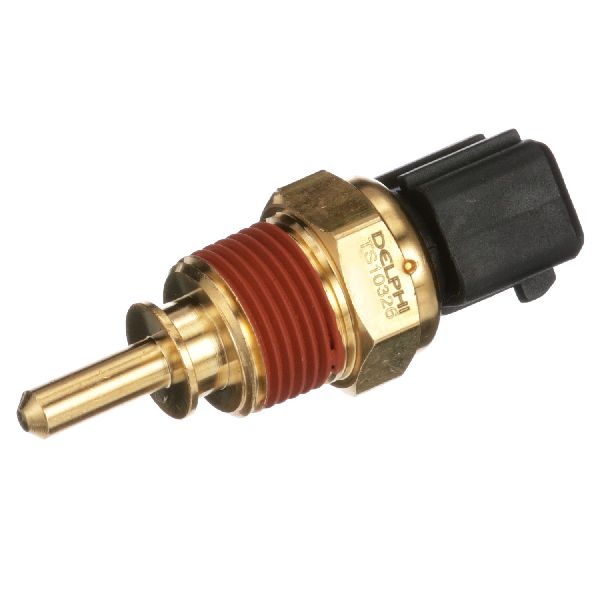
- Delphi: With over 100 years of OE experience, Delphi parts are engineered to meet or exceed original specifications. They are a trusted name in automotive electronics.
- NGK (NTK): While famous for spark plugs, NTK (the sensor division of NGK) is a top-tier manufacturer of engine sensors and is often a safe bet for quality.
- Beck Arnley: This brand specializes in sourcing parts that match the original equipment for foreign nameplate vehicles like Hyundai. They focus on OE form, fit, and function.
- Hella: A well-respected German brand known for quality electronics.
Tier 2: Reliable Mid-Range Options
These brands offer a good balance of quality and price. They are a solid choice for most DIY repairs and daily drivers.
- Standard Motor Products (Standard Ignition): A long-standing brand in the aftermarket. Quality can sometimes be inconsistent depending on whether they manufactured the part or sourced it, but they are generally a reliable choice.
- Four Seasons: A well-known aftermarket brand, particularly for cooling and climate control components.
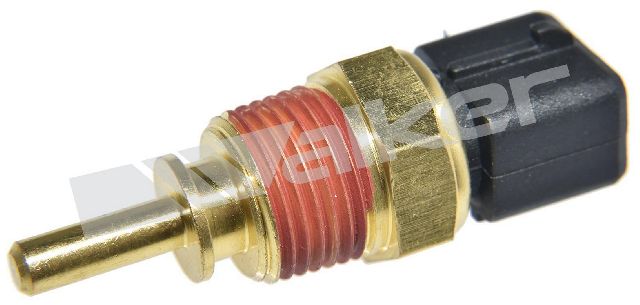
- Walker Products: A US-based company that manufactures fuel and engine management sensors.
- Holstein: Offers sensors that are designed to be direct replacements and are noted for ensuring accurate temperature monitoring.
Tier 3: Budget-Friendly Options
These brands are typically the most affordable. They can be a viable option for older vehicles or if budget is the primary concern, but their long-term reliability may not match the higher-tiered brands.
- URO Parts: Often considered a budget brand. Fit and quality can sometimes be a concern, making them better suited for non-critical components.
- Facet, Global Parts, True Tech, Vemo: These brands fall into the budget or standard aftermarket category. Ensure the part has a good warranty and return policy.
| Part Type | Estimated Cost |
|---|---|
| New Aftermarket | $10 - $46 |
| New OEM (Hyundai) | $35 - $75 |
| Shop Labor | $75 - $150 |
Frequently Asked Questions (FAQ)

Where is the ECT sensor located on my Elantra?
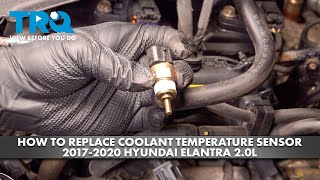
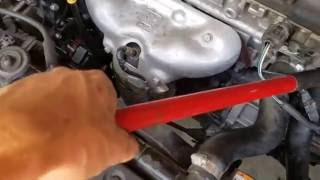
The location varies by year and engine. On many models, it's screwed into the thermostat housing or directly into the cylinder head, often near the upper radiator hose. For example, on a 2017-2020 Elantra with a 2.0L engine, it is located near the master cylinder, just beside the upper radiator hose. 🎬 See this 2017-2020 Elantra sensor replacement walkthrough. Always consult a repair manual for your specific year and engine to be certain.
Can I replace the ECT sensor myself?
Yes, this is a very DIY-friendly job for most Elantra models. It usually requires only basic tools like a deep socket (often 19mm) and a ratchet. You will lose a small amount of coolant, so have a catch pan ready. The job can typically be done in under 30 minutes.
🎬 Watch: Step-by-step sensor replacement for 2001-2006 Elantras.How many coolant temperature sensors does my Elantra have?
Most Hyundai Elantra models have only one Engine Coolant Temperature sensor that sends information to the ECU. Some older vehicles used a separate sensor or "sender" just for the temperature gauge on the dashboard, but modern Elantras use a single sensor for all functions. A Reddit user with a 2021 Elantra was told they had two, but this is uncommon for this specific sensor.
Are there any recalls for the Elantra ECT sensor?
There are no direct safety recalls for the Engine Coolant Temperature Sensor itself. However, Hyundai has issued recalls for engine-related issues that can cause overheating or stalling, and a TSB for a coolant leak near the sensor on 2021-2022 models. But the sensor itself has not been the subject of a specific safety recall.
Helpful Videos
Technical Specifications
OEM Part Numbers: 39220-2J100 39220-38030 39220-38020 39230-26700 39220-03HA0
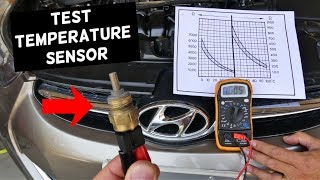
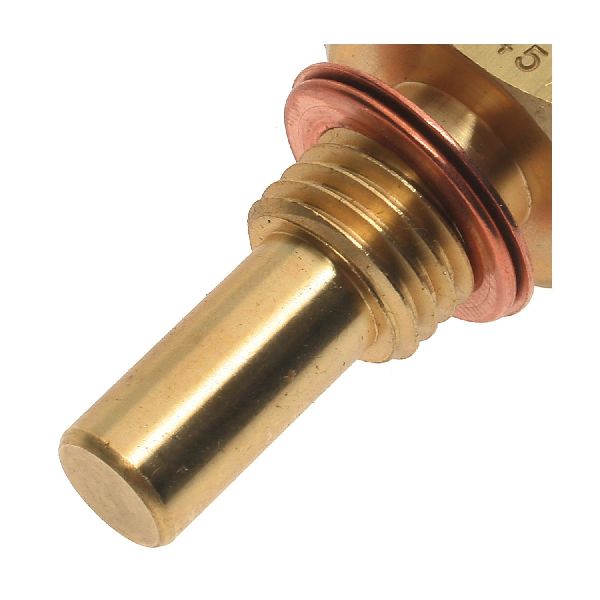
The sensor is a thermistor, meaning its electrical resistance changes with temperature. It typically has a 2-pin connector and a threaded body that screws into the engine's cooling system.
We Have This Part in Stock


The information in this article is provided for general reference and educational purposes only. Vehicle specifications, procedures, and part compatibility can vary by production date, trim level, and region. Always consult your vehicle's factory service manual and verify part numbers before purchasing or performing repairs. Safety-critical components such as airbags, seat belts, and braking systems should be installed by a qualified professional.
- Hyundai Elantra:
- 🎬 Helpful Videos
- 🛍️ Shop This Part
- Symptoms of a Failing ECT Sensor on a Hyundai Elantra
- Known Issue: 2021-2022 Elantra 2.0L TSB
- Choosing the Right Aftermarket ECT Sensor
- Tier 1: OEM-Quality & Top Aftermarket
- Tier 2: Reliable Mid-Range Options
- Tier 3: Budget-Friendly Options
- Frequently Asked Questions (FAQ)
- 🎟️ Get 5% Off