

Engine Coolant Thermostat Guide for the 1993 BMW 525iT
Keep your classic E34 wagon's M50 engine at the perfect temperature by choosing the right thermostat.
- Always replace the plastic thermostat housing with the thermostat; upgrading to an aluminum housing is highly recommended to prevent future leaks.
- A thermostat stuck closed will cause rapid overheating, while a thermostat stuck open will cause slow warm-up and poor cabin heat.
- Use a quality OEM-equivalent brand like CRP or Gates with the correct temperature rating (88°C or 92°C) for reliability.
- Properly bleeding the cooling system after replacement is critical to remove air pockets and prevent overheating.
Symptoms of a Failing Thermostat
A thermostat can fail in two ways: stuck open or stuck closed. Each has distinct symptoms.
Stuck Open Failure:
- Engine Takes Too Long to Warm Up: The temperature gauge may never reach the middle, or it may take much longer than usual. This is the most common failure mode for these thermostats.
- Poor Heater Performance: If the engine doesn't get hot enough, the heater will only blow lukewarm air, which is most noticeable in cold weather.
- Decreased Fuel Economy: An engine that runs too cool stays in its rich "warm-up" mode longer, burning more fuel than necessary.
- Check Engine Light: A P0128 code may be triggered, indicating the coolant temperature is below the thermostat's regulating temperature.
Stuck Closed Failure:
- Engine Overheating: This is a serious condition. The temperature gauge will quickly move into the red zone. If you see this, pull over immediately and shut off the engine to prevent catastrophic damage like a warped cylinder head or blown head gasket.
- Steam from Under the Hood: As the trapped coolant boils, it will create steam, which is a clear sign of overheating.
- Coolant Leaks: Extreme pressure from overheating can cause coolant to leak from the thermostat housing or other weak points in the system.
Known Issue: Plastic Thermostat Housing
The M50 engine in your 1993 525iT came from the factory with a plastic thermostat housing. Over time, this plastic becomes brittle from constant heat cycles and can crack or fail suddenly, causing a major coolant leak. It is strongly recommended to replace the entire housing whenever you replace the thermostat. Many owners upgrade to a more durable aluminum housing to prevent this issue from happening again.
Choosing the Right Aftermarket Thermostat
For a critical part like the thermostat, quality matters. While OEM is an option, several aftermarket brands offer reliable performance. They can be grouped into tiers based on quality and reputation among BMW owners.
Tier 1: OEM-Equivalent Brands
- CRP (Rein): Often an OEM supplier or re-boxer of OEM parts like Behr or Mahle. This is a very safe and reliable choice that meets original specifications.
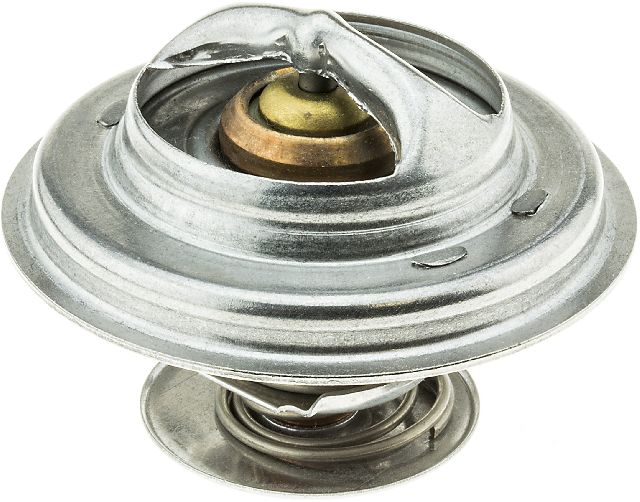
- Gates: A well-respected name in the aftermarket for cooling system components. Gates thermostats are a solid, reliable option.
Tier 2: Standard Aftermarket Brands
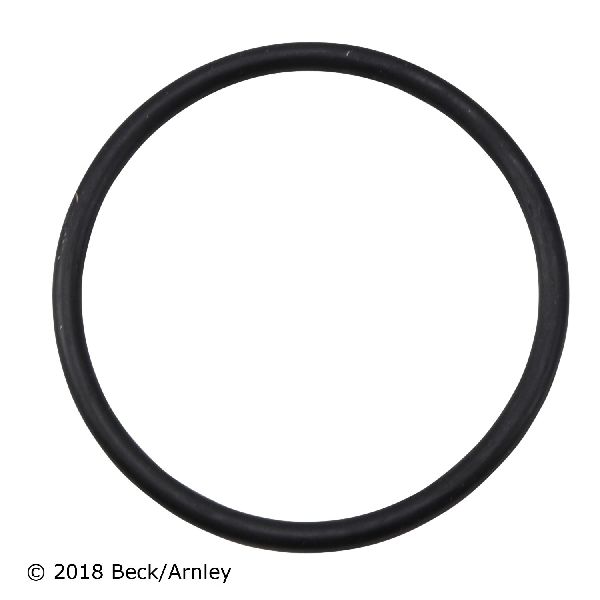
- Beck Arnley: This brand sources parts from various manufacturers that meet OE specifications for form, fit, and function. Quality is generally good, but can be inconsistent depending on the supplier for a specific part.
- Facet: A standard aftermarket option that provides a balance of cost and function.
Tier 3: Economy & Performance Brands
- Motorad: Generally considered a budget-friendly option. While functional, some users have reported premature failures compared to higher-tier brands.
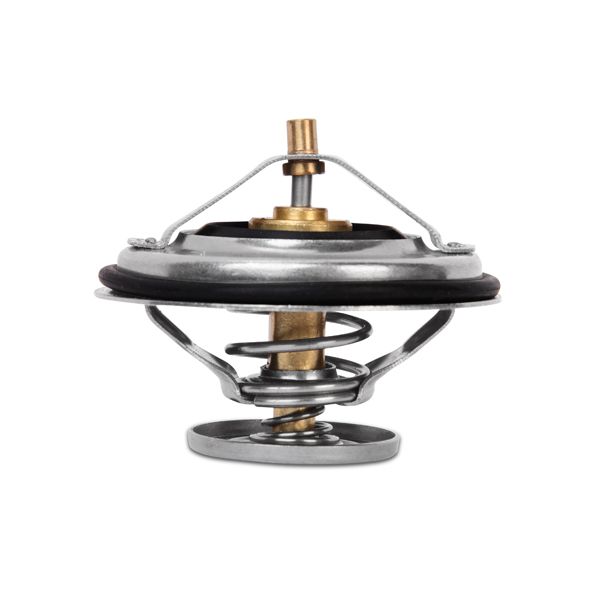
- Mishimoto: Known for performance-oriented parts. They may offer thermostats with lower opening temperatures (e.g., 68°C) for track or high-performance use, but this is not recommended for a daily-driven vehicle as it can negatively affect fuel economy and emissions.
Pro Tip: For a daily driver, stick with an OEM-spec thermostat from a brand like CRP or Gates. The cost difference is minimal for the peace of mind and reliability they provide. Always choose the correct temperature rating, which is typically 88°C (190°F) or 92°C (198°F) for the M50 engine.
Cost of Aftermarket Thermostats for 1993 BMW 525iT
| Brand | Typical Price Range |
|---|---|
| Beck Arnley, CRP, Facet, Gates, Motorad | $20.34 - $45.00 |
| Mishimoto (Performance) | $55.00 - $74.13 |
Note: Prices are estimates and can vary by retailer. This does not include the cost of the thermostat housing, which should also be replaced.
Frequently Asked Questions (FAQ)
What temperature thermostat should I use for my 1993 525iT?
For the M50 engine in your 525iT, the standard thermostat is either 88°C (190°F) or 92°C (198°F). Both are generally acceptable, but it's best to use the temperature that was originally specified for your vehicle. Lower temperature thermostats (e.g., 71°C or 80°C) are available but are typically for race applications or very hot climates and can cause the engine to run too cool in normal conditions.
Do I have to replace the thermostat housing at the same time?
Yes, it is highly recommended. The original plastic housing on the M50 engine is a known failure point that becomes brittle and cracks. Replacing it with the thermostat, preferably with an upgraded aluminum housing, is a critical preventative measure against future coolant leaks and potential overheating.
Are there any recalls for the thermostat on my 1993 BMW 525iT?
No, there are no specific recalls from the NHTSA for the engine coolant thermostat on the 1993 BMW 525iT. However, an older recall for related models noted that a cooling system failure could lead to other issues.
Is replacing the thermostat a difficult DIY job?
For a moderately experienced DIY mechanic, this job is very feasible. It involves draining the coolant, removing the fan shroud and fan for better access, unbolting the thermostat housing, and replacing the parts. The most critical step is properly bleeding all the air out of the cooling system afterward to prevent air pockets that can cause overheating.
Technical Specifications
OEM Part Numbers: 11537511083 11531721002 11531713040
Standard Opening Temperature: 88°C (190°F) or 92°C (198°F). Must be replaced with the thermostat housing and new gaskets.
We Have This Part in Stock


The information in this article is provided for general reference and educational purposes only. Vehicle specifications, procedures, and part compatibility can vary by production date, trim level, and region. Always consult your vehicle's factory service manual and verify part numbers before purchasing or performing repairs. Safety-critical components such as airbags, seat belts, and braking systems should be installed by a qualified professional.
- BMW 525iT: