

Chevrolet G30 A/C Compressor Guide: 1993-1997
Get your classic Chevy van's air conditioning running cold again by choosing the right A/C compressor.
- Always replace the accumulator/receiver-drier and orifice tube when installing a new compressor to validate the warranty and ensure longevity.
- A complete system flush is mandatory if the old compressor failed internally to remove metal debris that will destroy the new part.
- For best results and reliability, choose a new aftermarket compressor over a remanufactured unit.
- Refrigerant recovery and recharging must be performed by a certified professional with specialized equipment.
Is Your G30's A/C Blowing Warm? Understanding the Compressor
If the air conditioning in your 1993-1997 Chevrolet G30 isn't what it used to be, the A/C compressor is a likely suspect. This part works hard, especially in a large vehicle, and eventually wears out. When it fails, you'll get no cold air, and you might hear some unpleasant noises from under the hood. Replacing it is key to restoring your comfort during hot drives.
Symptoms of a Failing A/C Compressor
Watch for these common signs that your G30's compressor is on its way out:
- No Cold Air: The most obvious symptom. If the system is charged with refrigerant but the air from the vents is warm, the compressor may not be engaging or pumping.
- Strange Noises: A grinding or squealing sound when you turn the A/C on points to a failing compressor clutch or internal bearing failure. You might also hear rattling or chattering.
- Visible Leaks: The compressor has seals that can fail over time, leaking refrigerant and oil. You might see a greasy, grimy buildup on the compressor body, sometimes highlighted by UV dye if a technician has inspected it.
- Clutch Not Engaging: The outer part of the compressor pulley (the clutch) should click and start spinning with the pulley when you turn on the A/C. If it remains stationary, it could be a bad clutch, a blown fuse, or a system pressure issue preventing engagement.
Critical Replacement Step: System Contamination
When a compressor fails internally, it can send tiny metal shavings throughout the entire A/C system. If you simply install a new compressor without cleaning the system, this debris will destroy the new part almost immediately. A full system flush, along with replacing the accumulator/receiver-drier and the orifice tube, is not optional—it's required to protect your investment.
Choosing the Right Aftermarket Compressor for Your G30
For a vehicle of this age, aftermarket parts offer a great balance of cost and performance. Original OEM parts from Chevrolet (AC Delco) are excellent but can be expensive and hard to find. Aftermarket brands provide good quality for the price, but not all are created equal.
Brand Quality Tiers
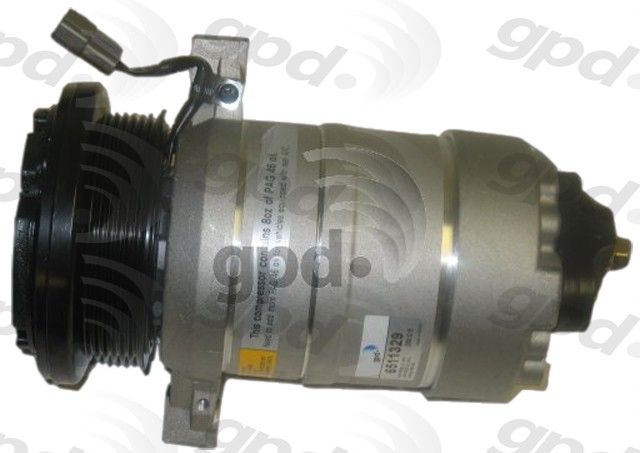
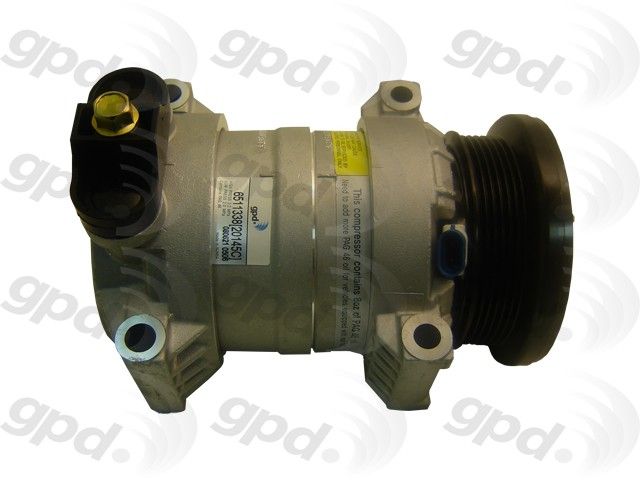
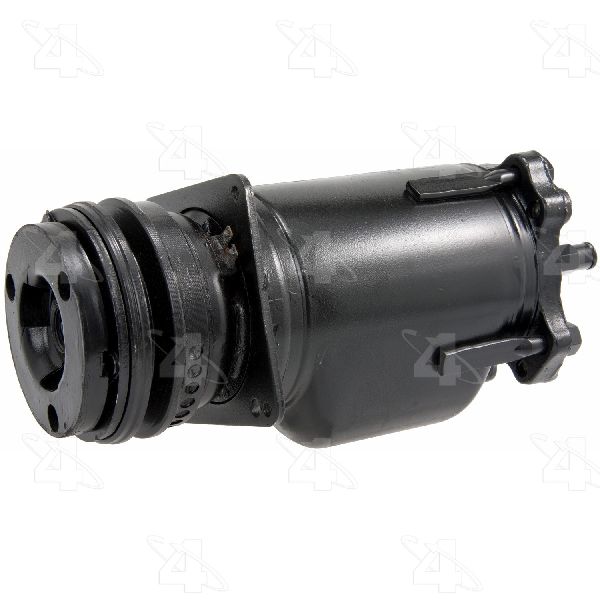
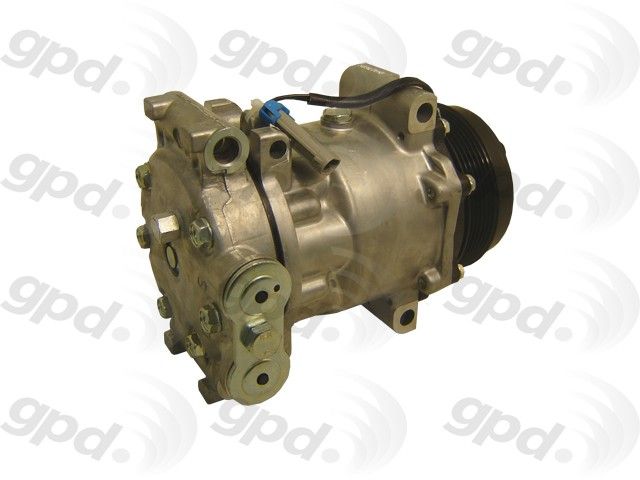
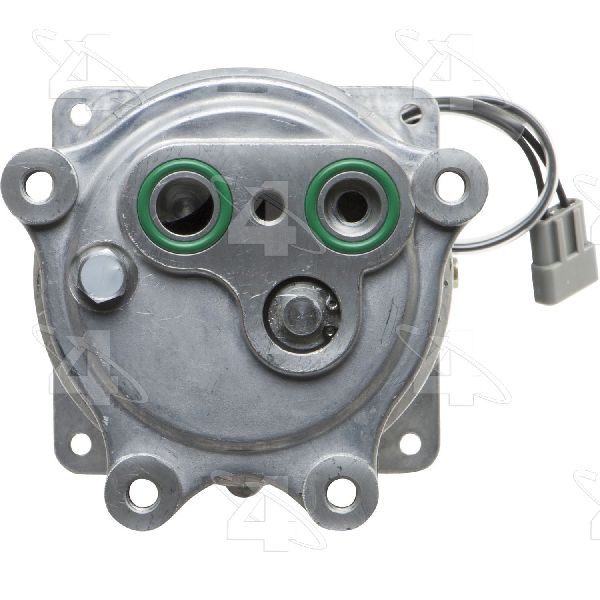
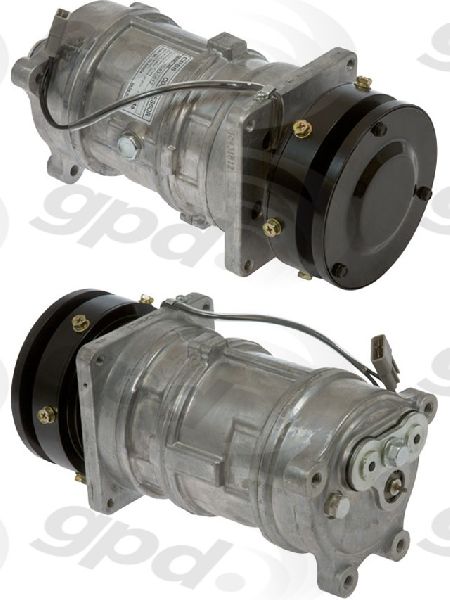
- Tier 1: New Aftermarket (Four Seasons, Global Parts): These are your best bet for value and reliability. Brands like Four Seasons and Global Parts offer brand-new units that are designed to fit and function like the original. While some online forums have mixed reviews about remanufactured parts from these brands, their new compressors are generally considered a solid choice. They provide a significant cost saving over OEM without a major sacrifice in quality.
- Tier 2: Remanufactured Aftermarket (Various Brands): Remanufactured compressors are old units that have been rebuilt. Their reliability can be inconsistent. While they are a budget-friendly option, the risk of premature failure is higher. If the budget allows, a new aftermarket compressor is a safer investment.
- Tier 3: 'Replacement' or Store Brands: These are often the most affordable but come with the most uncertainty. Quality can vary widely. Given the high cost of labor and the need to recharge the system, saving a few dollars on a questionable part can be a costly mistake if it fails early.
| Part Type | Estimated Cost |
|---|---|
| New Aftermarket Compressor | $240 - $470 |
| Remanufactured Aftermarket Compressor | $180 - $300 |
| Shop Labor & System Recharge | $400 - $800+ |
Frequently Asked Questions (FAQ)
Can I replace the A/C compressor myself?
The mechanical part of the replacement is possible for an experienced DIYer. It involves removing the serpentine belt and unbolting the compressor, which can be in a tight space. However, the A/C system's refrigerant is under pressure and is a regulated substance. A professional shop must use a special machine to safely recover the old refrigerant before you start and to vacuum test and recharge the system after you're done.
Why do I have to replace the accumulator and orifice tube too?
The accumulator (or receiver-drier) contains a desiccant that absorbs moisture from the refrigerant. This desiccant has a limited lifespan and once exposed to air, it's saturated. The orifice tube is a filter that can get clogged with debris from a failed compressor. Replacing these small, inexpensive parts is cheap insurance for your new, expensive compressor. Most warranties for new compressors require you to replace them.
Is there a recall on the A/C compressor for my G30?
No. Searches of the National Highway Traffic Safety Administration (NHTSA) database show no recalls specifically for the A/C compressor on the 1993-1997 Chevrolet G30.
My A/C clutch makes noise but the air is still cold. What should I do?
A noisy clutch is often the first sign of a failing bearing. While it might work for a while, the bearing will eventually seize. When it does, it can damage the compressor shaft, break the serpentine belt, or burn out the clutch coil. It's best to replace the compressor assembly before this happens and leaves you stranded.
Technical Specifications
Check for compatibility with your G30's specific engine (e.g., 4.3L, 5.7L, 7.4L) as mounting brackets and fittings may vary. Most systems from 1994 onwards use R134a refrigerant.
We Have This Part in Stock

The information in this article is provided for general reference and educational purposes only. Vehicle specifications, procedures, and part compatibility can vary by production date, trim level, and region. Always consult your vehicle's factory service manual and verify part numbers before purchasing or performing repairs. Safety-critical components such as airbags, seat belts, and braking systems should be installed by a qualified professional.
- Chevrolet G30: