

Chrysler Town & Country Engine Coolant Temp Sensor Guide (1993-1997)
Having engine trouble with your Town & Country? A small, inexpensive sensor could be the culprit.
- A bad ECT sensor on your Town & Country can cause a check engine light, poor fuel economy, overheating, and black smoke.
- For this model year, a quality aftermarket sensor from a brand like Delphi, Standard Ignition, or Walker Products is a cost-effective and reliable repair.
- The sensor is located near the thermostat housing on the 3.3L/3.8L V6 and is a simple DIY replacement for most owners.
- Symptoms like a check engine light with codes P0117 or P0118 strongly point to a failing ECT sensor.
Is a Failing Coolant Sensor Causing Your Van's Problems?
A bad Engine Coolant Temperature (ECT) sensor can cause a surprising number of issues in your 1993-1997 Chrysler Town & Country. Because the engine's computer relies on this sensor for accurate temperature readings, 🎬 See how to test your sensor using a basic multimeter. a false signal can make the computer think the engine is cold when it's hot, or vice-versa. This confusion leads to poor engine performance and other noticeable symptoms.
Common Symptoms of a Bad ECT Sensor
- Check Engine Light: The most common sign. You may see codes like P0115, P0117, or P0118. 🎬 Learn how to diagnose and fix these specific trouble codes.
- Poor Fuel Economy: If the sensor tells the computer the engine is always cold, the computer will enrich the fuel mixture, wasting gas.
- Black Smoke from Exhaust: A very rich fuel mixture can result in black smoke coming from the tailpipe.
- Engine Overheating or Running Too Cool: The computer may not turn the cooling fans on when needed, leading to overheating. Conversely, it might keep them on, preventing the engine from reaching proper operating temperature.
- Rough Idle and Hard Starting: The engine may struggle to start, especially when cold, and may idle poorly.
Choosing the Right Aftermarket Sensor
For a vehicle like the 1993-1997 Town & Country, using an aftermarket ECT sensor is a smart and budget-friendly choice. The original Mopar parts can be hard to find or expensive. Quality aftermarket brands offer reliable performance, often meeting or exceeding the original specifications. Here’s a breakdown of the available brands:
- Premium Brands (Delphi, Standard Ignition): These brands are well-regarded in the industry for producing parts that are very close to original equipment (OE) quality. They are known for durability and accurate readings. Choosing one of these is a solid bet for long-term reliability.
- Reliable Mid-Tier (Walker Products, Four Seasons, Holstein): These brands offer a great balance of quality and value. They are trusted names in the aftermarket and produce sensors that are a dependable replacement for the original part. Many professional shops use these brands.
- Economy Options (Global Parts, True Tech): These are typically the most affordable options. While they can get the job done, they may not have the same long-term durability or precise calibration as the premium or mid-tier brands. They can be a good choice for a budget-conscious repair, but be aware of potential quality differences.
Pro Tip: Sensor vs. Sender
Your van may have two similar-looking parts. The Engine Coolant Temperature Sensor sends information to the engine computer. The Engine Coolant Temperature Sender (or switch) operates the temperature gauge on your dashboard. Make sure you are replacing the correct part for the problem you are having. The ECT sensor for the computer is the one that will trigger a check engine light.
| Part/Service | Estimated Cost |
|---|---|
| New Aftermarket ECT Sensor | $12.96 - $46.64 |
| Shop Labor | $60 - $120 |
| Total Estimated Cost | $73 - $167 |
Frequently Asked Questions
Where is the ECT sensor located on my 1993-1997 Town & Country?
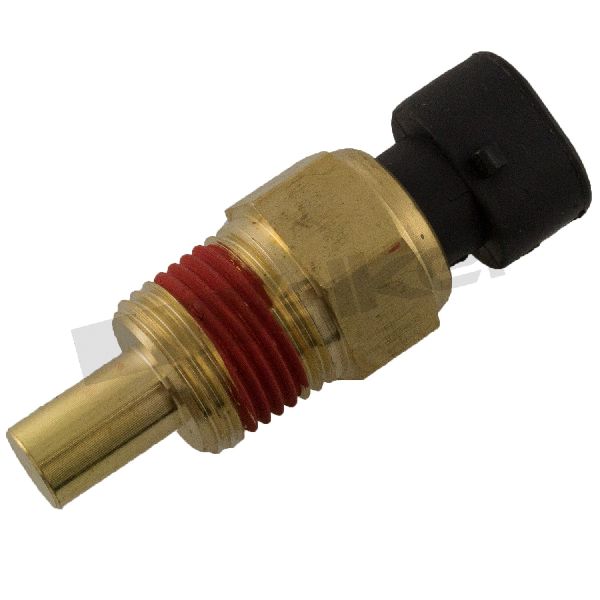
For the 3.3L and 3.8L V6 engines used in these vans, the engine coolant temperature sensor is typically located on the lower intake manifold, near the thermostat housing at the driver's side end of the engine. Look for a small, two-wire sensor threaded into the engine.
Can I replace the ECT sensor myself?
Yes, this is a very DIY-friendly job for most home mechanics. It requires basic tools, like a deep socket and ratchet. The job can usually be completed in under an hour. The main steps are to partially drain the coolant, disconnect the electrical connector, unscrew the old sensor, and install the new one. 🎬 Watch this step-by-step walkthrough of the sensor replacement process. Be prepared for a small amount of coolant to spill when you remove the old sensor.
Do I need to drain all the coolant to replace the sensor?
No, you don't need to drain the entire system. You can either drain just enough coolant from the radiator's petcock to bring the level below the sensor, or you can be quick and swap the sensor out, which will result in minimal coolant loss. If you choose the quick-swap method, have the new sensor ready to thread in immediately after removing the old one.
Are there any recalls or TSBs for this part?
Searches of the NHTSA database did not show any specific recalls or Technical Service Bulletins (TSBs) for the engine coolant temperature sensor on the 1993-1997 Chrysler Town & Country. Other recalls for this vehicle exist for issues like the steering wheel and liftgate latches.
Helpful Videos

Technical Specifications
OEM Part Numbers: 4267281
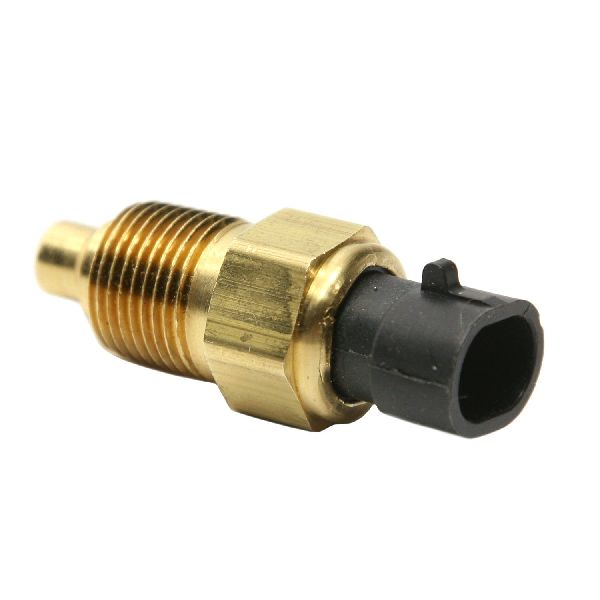
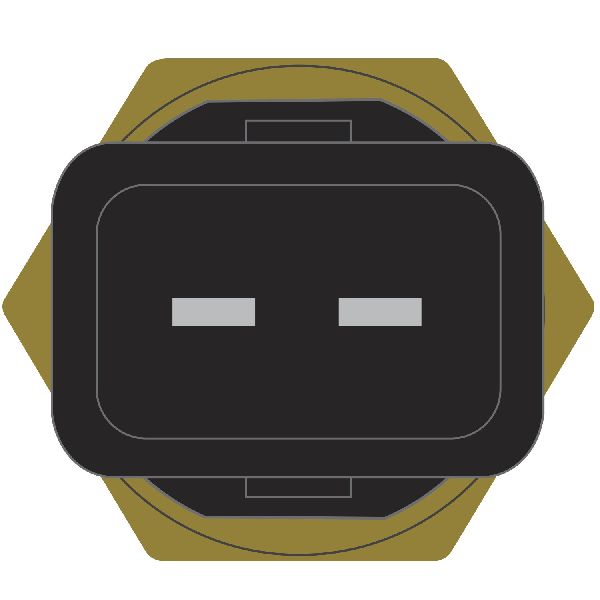
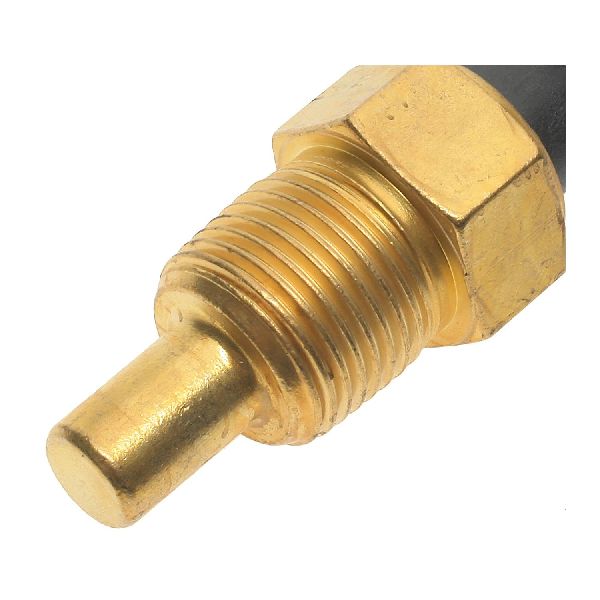
Typically a 2-pin, threaded sensor that functions as a thermistor, changing resistance based on coolant temperature.
We Have This Part in Stock



The information in this article is provided for general reference and educational purposes only. Vehicle specifications, procedures, and part compatibility can vary by production date, trim level, and region. Always consult your vehicle's factory service manual and verify part numbers before purchasing or performing repairs. Safety-critical components such as airbags, seat belts, and braking systems should be installed by a qualified professional.
- Chrysler Town & Country: