

Eagle Vision 1993-1997 Oxygen Sensor: A Complete Replacement Guide
Fix your check engine light, poor gas mileage, and rough idle by choosing the right oxygen sensor for your Eagle Vision.
- For best results, choose an NTK or Denso brand direct-fit sensor; they are the most reliable options for Chrysler engines.
- Verify the exact sensor location before buying. 1996-97 models have four sensors, while earlier models have two.
- Do not ignore a bad O2 sensor. It will hurt your fuel economy and can lead to costly catalytic converter damage.
- You will need a special oxygen sensor socket to perform the replacement yourself.
Is Your Eagle Vision Oxygen Sensor Failing?
A bad oxygen sensor is a common problem that can cause frustrating issues. The first sign for most drivers is the check engine light. Other symptoms often include noticeably worse gas mileage, a rough or shaky idle, and sluggish acceleration. In some cases, you might also smell a rotten egg or sulfur-like odor from the exhaust, which is a sign the engine is running too rich (too much fuel). Ignoring these signs can lead to more severe and expensive problems, like a damaged catalytic converter.
Choosing the Right Aftermarket O2 Sensor
For Chrysler-family vehicles like the Eagle Vision, brand choice matters. Forum discussions among owners and mechanics show a strong preference for specific brands to avoid compatibility issues and premature failure. It is highly recommended to use a direct-fit sensor with the correct electrical connector, as universal sensors that require you to splice wires can be unreliable.
Brand Quality Tiers for Eagle Vision
- Tier 1: OEM Quality (Recommended): Denso and NGK (NTK) are widely considered the best choices. NTK is the sensor division of NGK and was likely the original equipment manufacturer (OEM) for your vehicle. These brands provide the highest reliability and performance.
- Tier 2: Reputable Aftermarket: Bosch and Delphi are well-known brands. Bosch invented the modern O2 sensor, but their aftermarket sensors have a mixed reputation among some Chrysler owners, with some reporting shorter lifespans compared to Denso or NTK. They can be a solid choice if Tier 1 brands are not available.
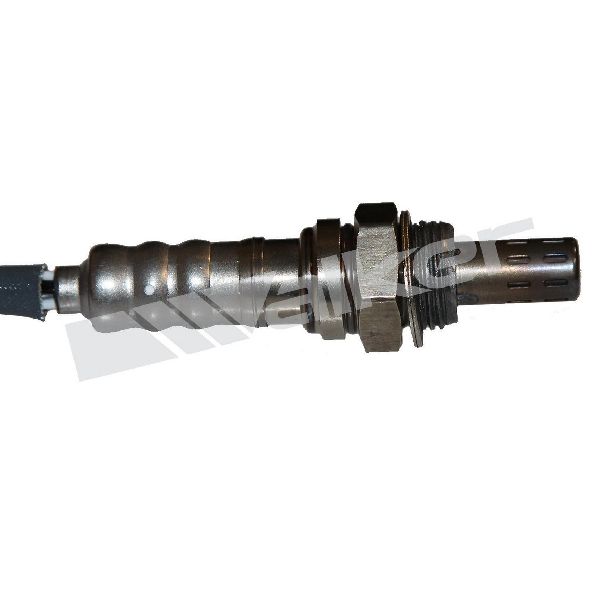
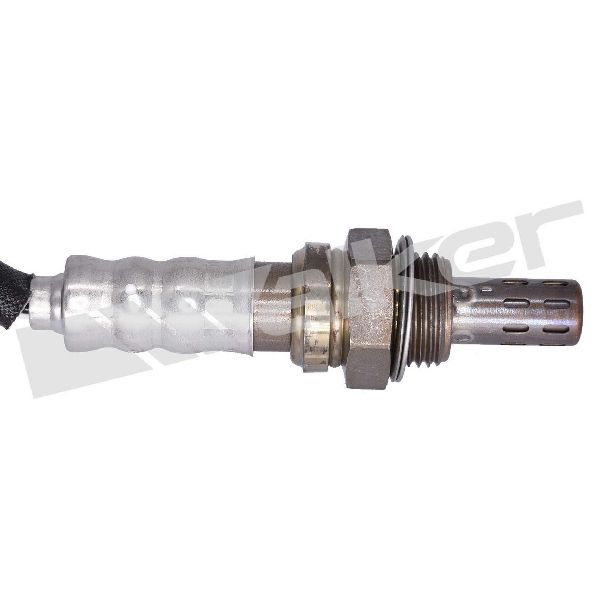
- Tier 3: Budget Options: Brands like DriveWire, Spectra, Vemo, and Walker Products fall into this category. They are more affordable but may not offer the same longevity or precise calibration as the top-tier brands.
Pro Tip: Upstream vs. Downstream Sensors
It is critical to order the correct sensor for the specific location. Your Eagle Vision has a different number of sensors depending on the year.
- 1993-1995 (OBD-I): These models typically have two upstream sensors, one for each exhaust manifold (Bank 1 and Bank 2). They do not usually have downstream sensors.
- 1996-1997 (OBD-II): These models have four sensors. There are two upstream sensors (Bank 1, Sensor 1 and Bank 2, Sensor 1) and two downstream sensors (Bank 1, Sensor 2 and Bank 2, Sensor 2). Upstream sensors control the air-fuel mix, while downstream sensors monitor the efficiency of the catalytic converter.
Always verify the sensor's position before purchasing. An OBD-II code scanner can tell you exactly which sensor has failed (e.g., "Bank 1 Sensor 2").
Known Issues, Recalls, and Service Bulletins
Searches of the National Highway Traffic Safety Administration (NHTSA) database and other technical resources did not find any specific recalls or Technical Service Bulletins (TSBs) for oxygen sensor failures on the 1993-1997 Eagle Vision. Failure is typically due to normal wear and tear over time.
| Part Type | Estimated Cost |
|---|---|
| New Aftermarket O2 Sensor | $27 - $88 |
| Shop Labor for Installation | $75 - $150 |
Frequently Asked Questions
How many oxygen sensors does my 1994 Eagle Vision have?
A 1994 model, being pre-OBD-II, should have two upstream oxygen sensors, one on each side of the V6 engine's exhaust manifolds.
What tools do I need to replace an O2 sensor?
You will need a special oxygen sensor socket, which has a slot cut out for the wire. You will also likely need a ratchet with an extension, and a can of penetrating oil is highly recommended to help loosen the old sensor, as they are often seized in the exhaust pipe.
Can I use a cheaper universal sensor?
While you can, it is not recommended for this vehicle. Universal sensors require you to cut your old connector and splice it onto the new sensor. This can create a point of failure. Direct-fit sensors from reputable brands like Denso or NTK are more reliable and worth the extra cost to avoid future headaches.
What happens if I don't replace a bad O2 sensor?
Continuing to drive with a bad O2 sensor will cause you to burn excess fuel and will likely cause you to fail an emissions test. More importantly, forcing the engine to run rich for a long time can overheat and destroy your catalytic converter, turning a small repair into a very expensive one.
Technical Specifications
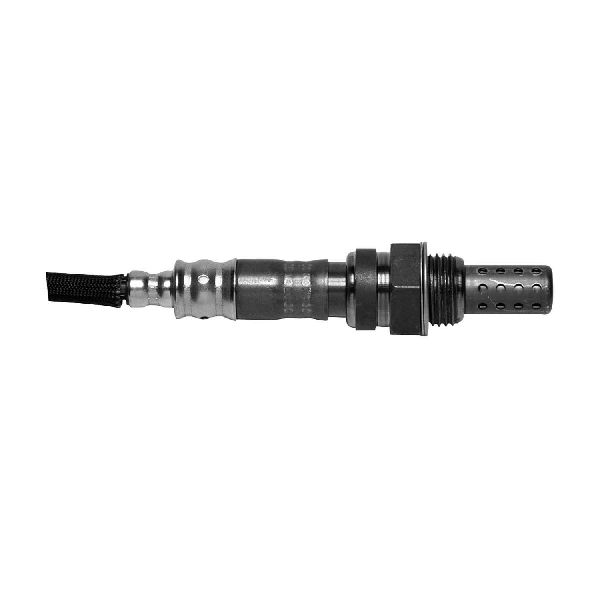
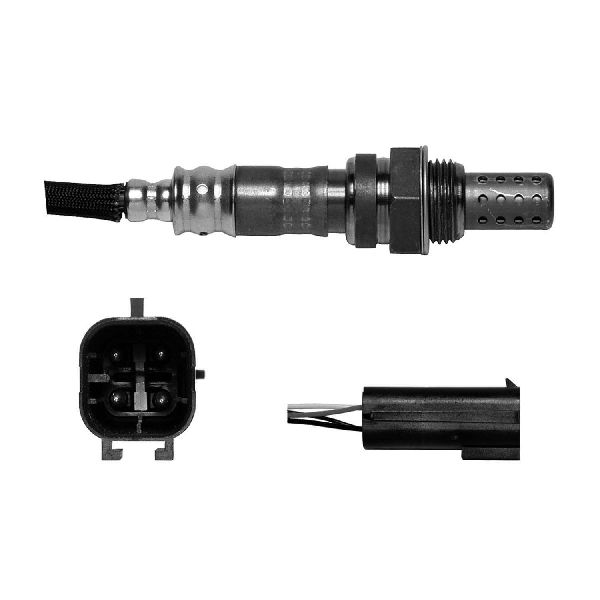
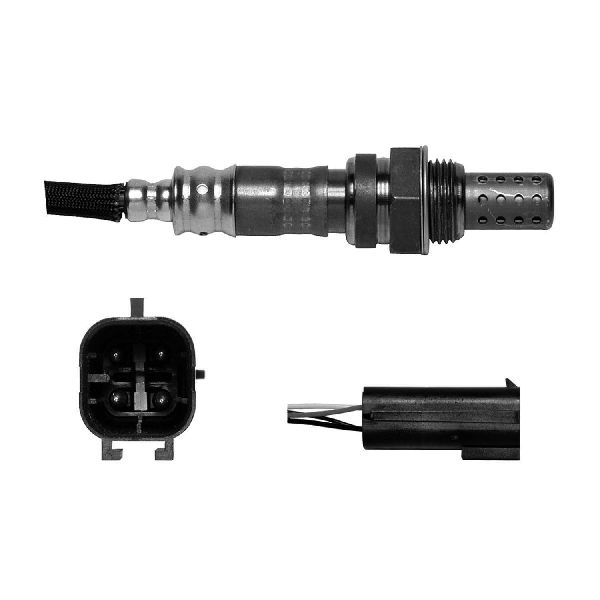
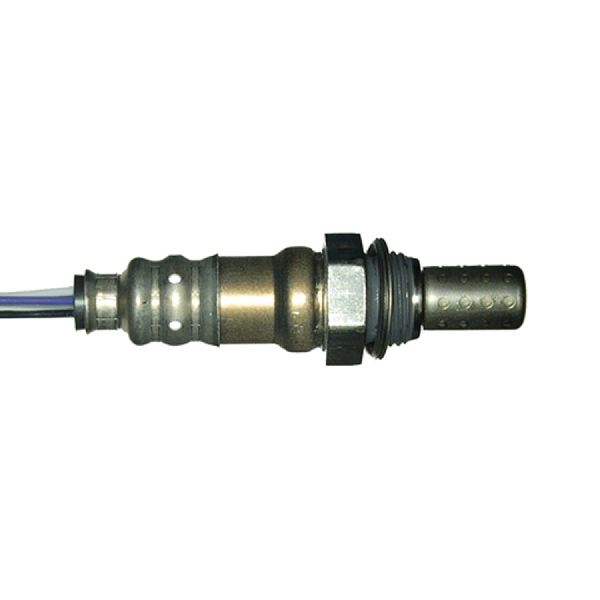
Vehicle may have two upstream sensors (1993-1995) or four sensors total (two upstream, two downstream for 1996-1997). Sensors are heated and use a 4-wire square connector.
We Have This Part in Stock

The information in this article is provided for general reference and educational purposes only. Vehicle specifications, procedures, and part compatibility can vary by production date, trim level, and region. Always consult your vehicle's factory service manual and verify part numbers before purchasing or performing repairs. Safety-critical components such as airbags, seat belts, and braking systems should be installed by a qualified professional.
- Eagle Vision: