

Eagle Vision Vehicle Speed Sensor Guide: 1993-1997
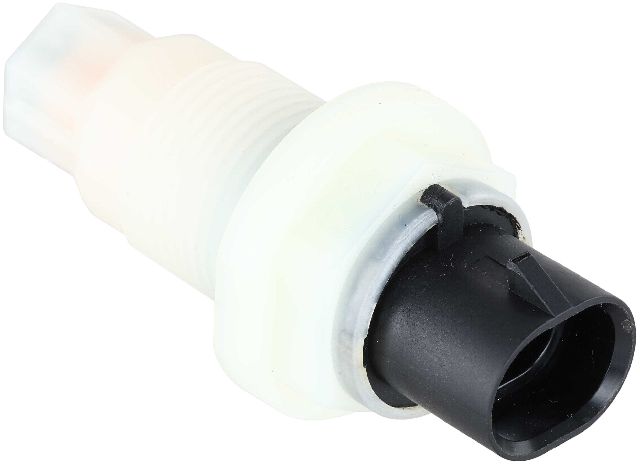
Solving shifting problems and speedometer issues in your 1993-1997 Eagle Vision starts with this sensor.
- A bad VSS is a primary cause of harsh shifting and speedometer failure on the Eagle Vision.
- This is a DIY-friendly repair that can be done in under an hour with basic tools.
- The transmission has both an input and output sensor; the output sensor is the one that commonly fails and causes these symptoms.
- Choose a quality aftermarket brand like Delphi or Standard Ignition for the most reliable repair.
Is Your Eagle Vision Shifting Hard or Acting Strange?
If you own a 1993-1997 Eagle Vision, you know its smooth ride is a key feature. But when the automatic transmission starts shifting harshly, hesitating, or the speedometer goes haywire, the problem is often a small, inexpensive part: the Vehicle Speed Sensor (VSS). These cars use an electronically controlled transmission that completely relies on sensors for smooth operation. A bad VSS feeds bad information to the computer, causing major drivability problems.
Key Failure Symptoms
- Harsh or Erratic Shifting: The transmission may slam into gear, delay shifts, or get stuck in one gear (often called 'limp mode').
- Inaccurate or Dead Speedometer: The needle may jump around, read incorrectly, or not move at all.
- Cruise Control Not Working: The system can't set a speed if it doesn't receive a reliable signal.
- Check Engine Light: A faulty VSS will often trigger a Check Engine Light with the code P0500.
Choosing the Right Aftermarket Speed Sensor
Since original Mopar parts for this vehicle are scarce, the aftermarket is your go-to source. Quality matters, as the transmission's performance depends on an accurate signal. Here’s a breakdown of available brands, from premium to budget-friendly.
Brand Quality Tiers
- Premium Aftermarket (OEM-Quality): Brands like Delphi and Standard Ignition (SMP) have a strong reputation as original equipment suppliers for many automakers. They are known for rigorous testing and providing a clean, reliable signal that meets or exceeds factory specs. Choosing one of these brands is a safe bet for long-term reliability.
- Quality Aftermarket: Walker Products and Holstein offer a great balance of price and quality. They engineer their parts to OE-specs and often include improvements over the original design. Holstein also provides a 3-year/36,000-mile warranty, offering extra peace of mind.
- Economy Options: Brands like URO Parts, Skyward, and True Tech provide a functional replacement at the lowest price point. While they will get the job done, they may not have the same level of quality control or longevity as the premium brands. They are a viable option for budget-conscious repairs.
Input vs. Output Sensor
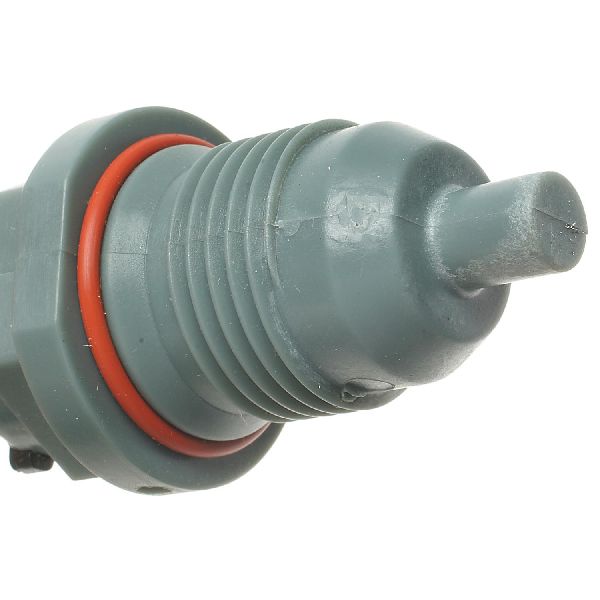
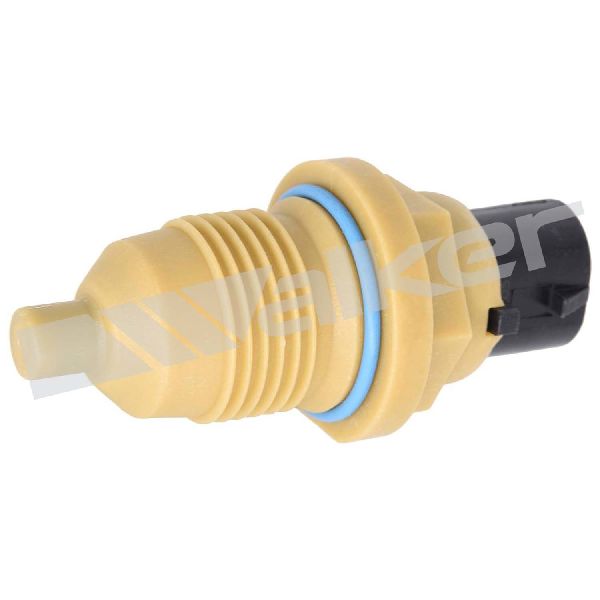
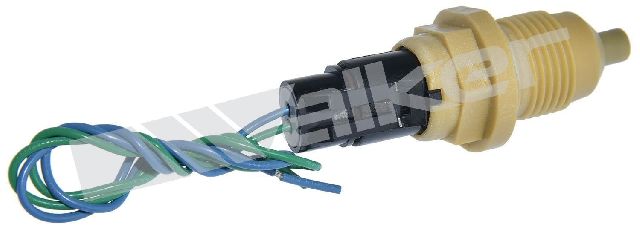
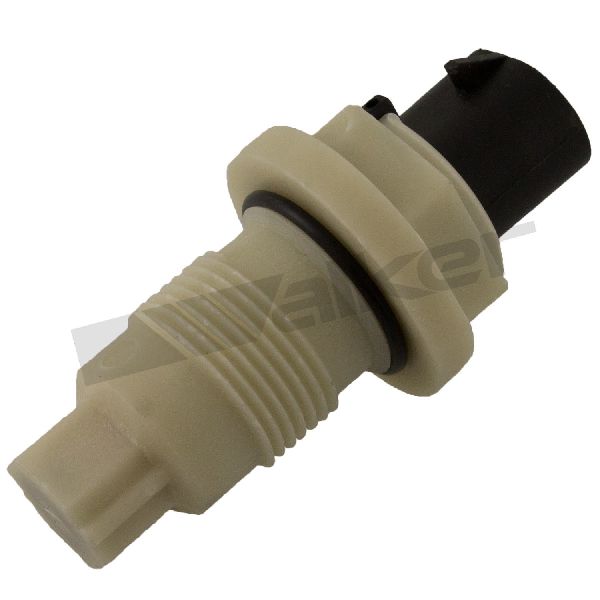
The Eagle Vision's transmission has two speed sensors: an input sensor and an output sensor. They look very similar but are not interchangeable. The output sensor is the one that typically fails and causes speedometer and shifting issues. Always confirm which sensor you need before ordering. Many aftermarket kits are sold as a pair.
Cost of Replacing the Vehicle Speed Sensor
This is one of the more affordable repairs for your Eagle Vision. The part itself is inexpensive, and if you have it done at a shop, the labor is minimal.
| Part/Service | Estimated Cost |
|---|---|
| New Aftermarket Part | $13.98 - $39.54 |
| Shop Labor | $90 - $150 |
| Total Professional Replacement | $105 - $190 |
Frequently Asked Questions
Can I replace the speed sensor myself?
Yes, this is a great DIY job for beginners. The sensor is usually on the outside of the transmission, held in by a single bolt. Access is the main challenge. You'll need to safely raise the front of the car, locate the sensor on the transmission, disconnect the wire, and unbolt it. The whole job usually takes less than an hour with basic hand tools.
Where is the Vehicle Speed Sensor located?
On the 1993-1997 Eagle Vision, the output VSS is located on the transmission housing, near where the passenger-side axle shaft enters the transmission. You will need to get under the car to see it.
Do I need to clear the Check Engine Light after replacement?
Yes. Even after replacing the sensor, the computer will store the old error code (P0500). You must clear the code using an OBD-II scanner to turn off the light and ensure the system recognizes the new part. Most auto parts stores offer a free code-scanning and clearing service.
What is "limp mode"?
"Limp mode" is a safety feature in electronically controlled transmissions. When the computer detects a critical sensor failure (like the VSS), it may lock the transmission in a single gear (usually second or third) to prevent further damage while still allowing you to drive slowly to a safe location or repair shop.
Technical Specifications
This vehicle uses both an input and an output vehicle speed sensor on the automatic transmission. The output sensor is the most common failure point for speedometer and shifting issues. They are typically sold individually or as a two-piece set. Ensure you are purchasing the correct sensor for your needs.
We Have This Part in Stock


The information in this article is provided for general reference and educational purposes only. Vehicle specifications, procedures, and part compatibility can vary by production date, trim level, and region. Always consult your vehicle's factory service manual and verify part numbers before purchasing or performing repairs. Safety-critical components such as airbags, seat belts, and braking systems should be installed by a qualified professional.
- Eagle Vision: