

1993-1997 Ford F-150 Radius Arm Bushing Replacement Guide
Fix your truck's front-end clunks and steering wander by choosing the right radius arm bushings.
- The most common sign of failure is a clunking noise from the front end over bumps or when braking.
- You must choose between OEM-style rubber for a quiet ride (Delphi, Dorman) or polyurethane for durability and a firmer feel (Energy Suspension, Prothane).
- If you choose polyurethane bushings, they must be greased during installation to prevent squeaking.
- This is a tough DIY job that often involves rusted bolts and may require grinding off rivets. An alignment is needed afterward.
Symptoms of Bad Radius Arm Bushings
Worn radius arm bushings on the 1993-1997 F-150 are a common source of front-end noise and handling problems. Because they are a wear-and-tear part, they will eventually need to be replaced. When they fail, the radius arm can move excessively within its frame bracket, leading to several noticeable issues.
- Clunking or Popping Noises: This is the most common symptom. You may hear a distinct "clunk" or "pop" from the front end when going over bumps, braking, or even shifting from Drive to Reverse.
- Steering Wander: The truck may feel like it's wandering or drifting on the road, requiring constant steering corrections to stay straight. This is a feeling that a proper wheel alignment cannot fix if the bushings are bad.
- Thud or Clunk During Braking: A heavy thud when you apply the brakes can be caused by the axle shifting due to worn bushings.
- Uneven Tire Wear: Badly worn bushings can affect your truck's alignment, leading to cupping or uneven wear on the edges of your front tires.
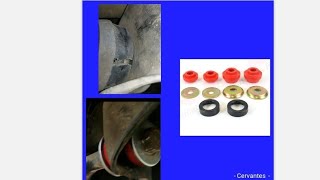
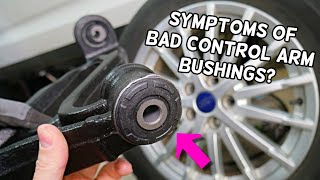
- Visual Failure: You can often see if the bushings are bad. Look for cracked, rotted, or bulging rubber. The radius arm may also look off-center in its bracket. 🎬 Watch: See a demonstration of these symptoms on a Ford truck.
Choosing the Right Aftermarket Bushing: Rubber vs. Polyurethane
When replacing your radius arm bushings, the biggest choice you'll make is the material. There is no single "best" option; it depends on your priorities for ride quality, performance, and longevity.
Tier 1: OEM-Style Rubber Bushings
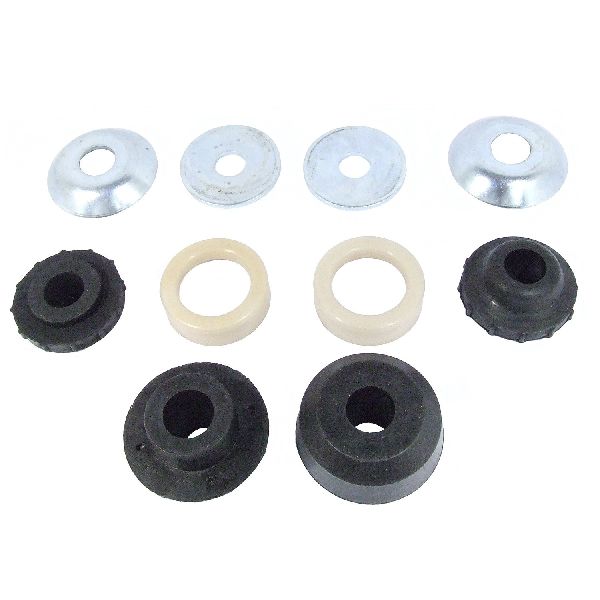
These bushings are designed to restore the original ride and feel of your truck. They are made from rubber, just like the factory parts.
- Brands: Delphi, Dorman, Replacement
- Pros: Quiet operation, absorbs vibration well for a comfortable ride. They are a direct replacement for the original parts.
- Cons: Rubber is less durable than polyurethane and will wear out and need replacement again over time.
- Best for: Owners who want to maintain the stock ride quality and comfort of their F-150 for daily driving.
Tier 2: Performance Polyurethane Bushings
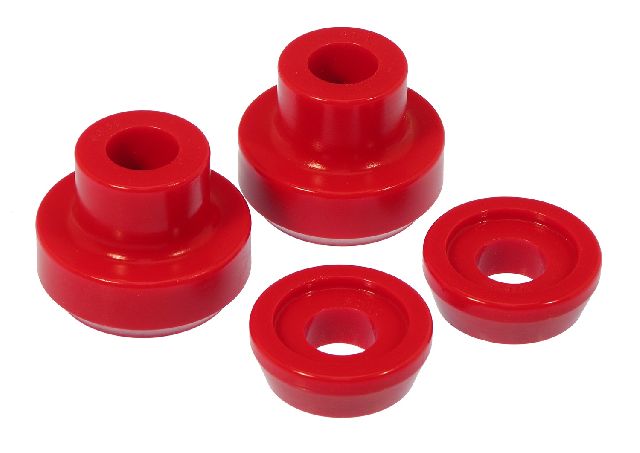
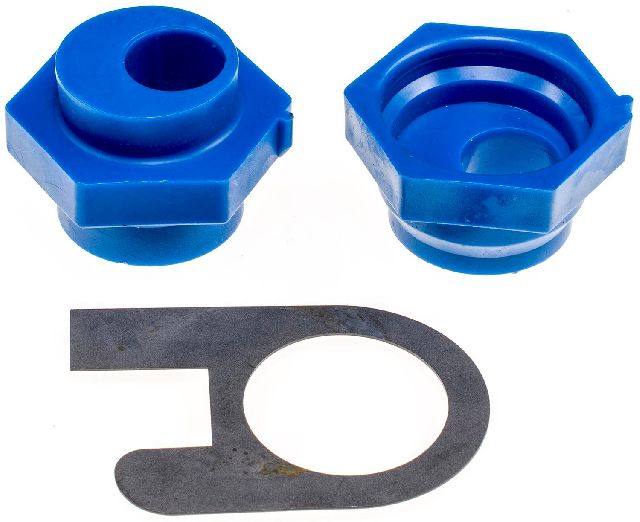
Polyurethane (often called "poly") is a firmer, more durable plastic material that offers a different driving experience.
- Brands: Energy Suspension, Prothane, Skyjacker
- Pros: Much more durable and longer-lasting than rubber. Provides a firmer, more responsive steering feel by reducing suspension flex.
- Cons: Transmits more road noise and vibration into the cabin, resulting in a harsher ride. They can squeak if not lubricated properly with the supplied grease during installation.
- Best for: Owners who want improved steering response and long-term durability, and don't mind a stiffer ride. Often preferred for work trucks or off-road use.
Aftermarket Radius Arm Bushing Cost
| Item | Estimated Cost |
|---|---|
| Aftermarket Bushing Kit (Both Sides) | $15.61 - $46.53 |
| Shop Labor | $200 - $450 |
Frequently Asked Questions (FAQ)
Should I choose rubber or polyurethane bushings?
Choose rubber if you want your truck to ride like it did from the factory—quiet and comfortable. Choose polyurethane if you want maximum durability and a firmer, more connected steering feel, and you can tolerate a slightly harsher ride.
Do I need to replace both sides at the same time?
Yes. It is highly recommended to replace the radius arm bushings on both the driver and passenger sides at the same time. If one side has failed, the other is likely worn and will fail soon. Replacing them in pairs ensures balanced handling and prevents you from having to do the job twice.
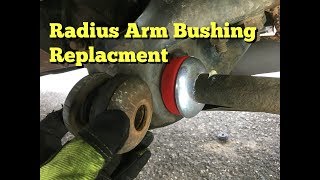
🎬 See this step-by-step walkthrough for replacing your F-150 bushings.Is replacing radius arm bushings a DIY job?
For an experienced home mechanic, yes. However, it can be a difficult job. The large 1-1/8" nut on the end of the radius arm is often rusted and extremely tight. The frame brackets are sometimes attached with rivets that must be ground off. Special tools like large wrenches, pry bars, and potentially a come-along may be needed to move the axle for clearance.
🎬 Watch: Dealing with rusted bolts during the removal process.Do I need a wheel alignment after replacing the bushings?
Yes, an alignment is recommended after this repair. Worn bushings can throw off your alignment, and installing new ones will change the suspension geometry. An alignment will ensure your truck drives straight and prevents premature tire wear.
Helpful Videos
Technical Specifications
OEM Part Numbers: E7TZ-3B203-A
The primary specification difference is the material: rubber or polyurethane. The large retaining nut typically requires a 1-1/8 inch wrench or socket.
We Have This Part in Stock

The information in this article is provided for general reference and educational purposes only. Vehicle specifications, procedures, and part compatibility can vary by production date, trim level, and region. Always consult your vehicle's factory service manual and verify part numbers before purchasing or performing repairs. Safety-critical components such as airbags, seat belts, and braking systems should be installed by a qualified professional.
- Ford F-150: