

Ford F-150 Spark Plug Replacement Guide (1993-1997)
Choosing the right spark plugs is key to keeping your ninth-generation F-150 running smoothly.
- Stick with Motorcraft or Autolite spark plugs for the most reliable performance in these trucks.
- Always check the underhood emissions sticker for the correct spark plug gap; it can vary by year and engine.
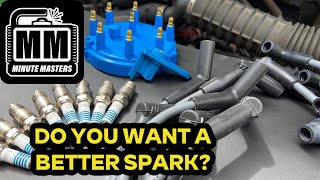
- For a complete tune-up, replace the spark plug wires, distributor cap, and rotor at the same time as the plugs.
- A persistent misfire can damage your catalytic converter, so address failing spark plugs promptly.
Signs of Failing Spark Plugs in Your F-150

The spark plugs in the 1993-1997 F-150 are generally reliable, but they are a wear item that needs to be replaced. When they start to fail, you'll likely notice one or more of these symptoms:
- Rough Idling: The engine may shake or vibrate more than usual when you're stopped.
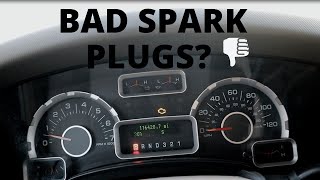
- Engine Misfires: You might feel a stumble or hesitation from the engine, especially under acceleration. A flashing Check Engine Light is a sure sign of a misfire. 🎬 Watch: See these common bad spark plug symptoms in action.
- Poor Acceleration: The truck may feel sluggish or slow to respond when you press the gas pedal.
- Reduced Fuel Economy: Worn plugs can't burn fuel efficiently, so you'll find yourself at the gas station more often.
- Difficulty Starting: A weak spark can make it harder for the engine to turn over and start.
Don't Ignore Misfires
A continuous engine misfire can dump unburnt fuel into your exhaust system. This can overheat and destroy your catalytic converter, turning a simple tune-up into a very expensive repair.
Choosing the Right Aftermarket Spark Plugs


For the 1993-1997 F-150, the original factory plugs were typically copper Motorcraft plugs. Many owners find that sticking with the original equipment (OE) design provides the most reliable performance. Unlike later model F-150s, these trucks do not have the problematic two-piece spark plug design that can break off in the cylinder head.
Brand Tiers for Your F-150
When shopping for new spark plugs, you'll find a few different types and brands. Here’s a simple breakdown for your truck:
Tier 1: OEM-Equivalent (Recommended)
These brands are known to work best with your truck's original ignition system. They offer reliable performance without needing any modifications.
- Motorcraft: This is Ford's own brand and the original part. You can't go wrong with these.
- Autolite: Many in the F-150 community consider Autolite to be the manufacturer for Motorcraft plugs of this era. They are widely recommended and often identical to the Motorcraft version.
Tier 2: Quality Aftermarket
These brands are well-respected and make excellent products. They are a safe choice if Motorcraft or Autolite are not available.
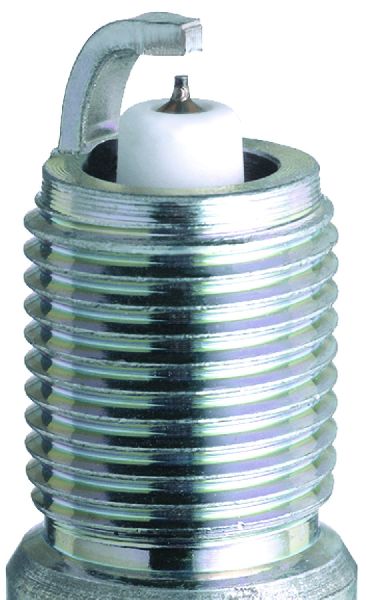
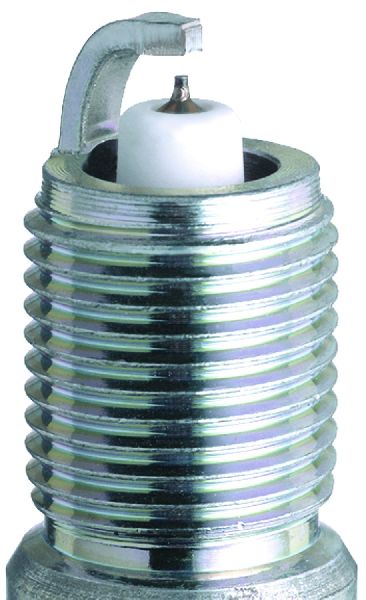
- NGK: A top-tier Japanese brand known for quality. Their standard V-Power copper plugs are a great option for these trucks.
- Denso: Another high-quality Japanese brand offering reliable performance.
Tier 3: Use with Caution
While these are major brands, some owners have reported inconsistent performance like rough idling or hesitation specifically in Ford trucks from this generation.
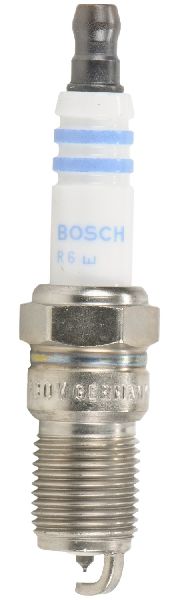
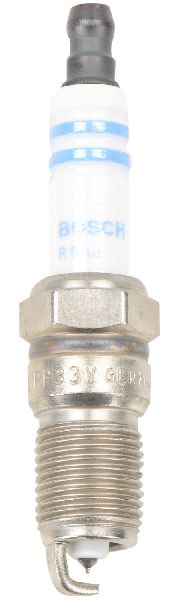
- Bosch: Some forum users have reported drivability issues after installing Bosch plugs in these specific engines.
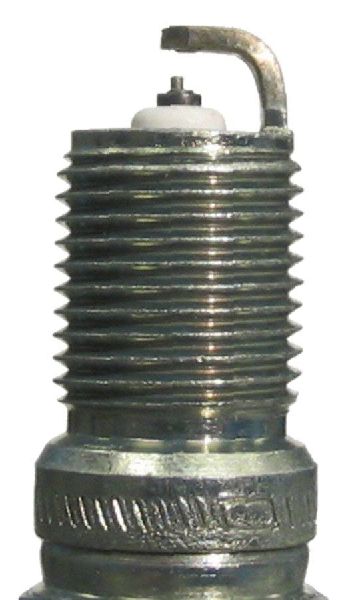
- Champion: While a well-known brand, they are less commonly recommended by F-150 owners for this generation compared to Motorcraft or Autolite.
Check Your Spark Plug Gap!
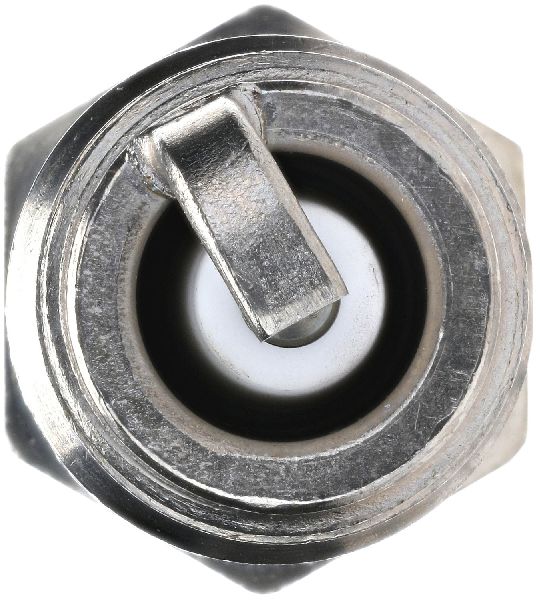
The most critical step in a spark plug job is setting the correct gap. For 1993-1997 F-150s, the required gap can vary by engine and year. The only way to be sure is to check the Vehicle Emission Control Information (VECI) sticker under your hood. It will list the correct spark plug and gap specification, which is often between .044" and .056". Always double-check the gap on new plugs with a gapping tool, even if they claim to be 'pre-gapped'.
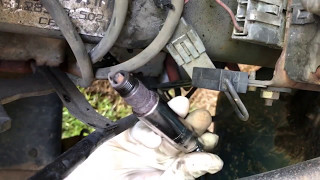
🎬 See this walkthrough on how to change your F-150 plugs.Spark Plug Replacement Cost

Replacing spark plugs is a common maintenance item. The cost is relatively low, especially if you do it yourself. The prices below are estimates for all 6 or 8 plugs needed for your engine.
| Part Type | Estimated Cost |
|---|---|
| New OEM (Motorcraft) | $16 - $56 |
| New Aftermarket | $21 - $100+ |
| Shop Labor | $100 - $250 |
Frequently Asked Questions
How often should I change the spark plugs?
For standard copper plugs, a good interval is every 30,000 miles. If you use platinum or iridium plugs, you can extend that interval to 60,000 miles or more, but for these older trucks, regular check-ups are always a good idea.
Should I use copper, platinum, or iridium plugs?
Your truck's ignition system was designed for standard copper plugs, and they work great. Platinum plugs are a good upgrade for longevity if you want to go longer between changes. Expensive iridium plugs are generally not necessary for a stock engine of this era and won't provide a noticeable performance boost.
Do I need to use anti-seize on the threads?
Yes, it's a good practice on these engines with cast iron heads. Applying a small amount of anti-seize lubricant to the plug threads helps prevent them from getting stuck, making the next replacement job easier. Be careful not to get any on the electrode.
Should I replace my spark plug wires at the same time?
Yes, it is highly recommended. Spark plug wires degrade over time and can cause misfires even if the plugs are new. Replacing the plugs, wires, distributor cap, and rotor together as a full tune-up is the best approach.
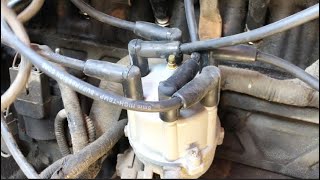
🎬 Watch: How to perform a complete ignition tune-up on your truck.Helpful Videos
Technical Specifications
OEM Part Numbers: ASF-32C ASF-42-C SP-450 SP-452
Spark Plug Gap: Varies, typically .044" for 4.9L and early V8s, or .052" - .056" for '94-'97 V8s. Check underhood sticker for exact spec. Socket Size: 5/8 inch.
We Have This Part in Stock

The information in this article is provided for general reference and educational purposes only. Vehicle specifications, procedures, and part compatibility can vary by production date, trim level, and region. Always consult your vehicle's factory service manual and verify part numbers before purchasing or performing repairs. Safety-critical components such as airbags, seat belts, and braking systems should be installed by a qualified professional.
- Ford F-150: