

Lexus GS300 Oxygen Sensor Guide for 1993-1997 Models
Fix your GS300's check engine light and poor gas mileage by choosing the right replacement oxygen sensor.
- For guaranteed compatibility, choose Denso (the OEM brand) or NGK.
- Avoid universal sensors that require wire splicing; always buy a direct-fit part.
- Confirm the exact sensor location (Bank 1/2, Upstream/Downstream) before purchasing.
- Replacing a bad sensor can prevent expensive damage to your catalytic converter.
Symptoms of a Failing Oxygen Sensor
When an oxygen sensor in your GS300 starts to fail, your car will tell you. The most common cause of failure is the internal heater circuit breaking down over time. You will likely experience one or more of the following signs:
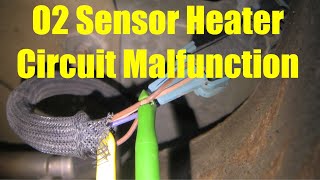
- Check Engine Light: This is the most common symptom. A code reader will often show codes like P0135, P0141, P0155, or P0161, which point to a heater circuit malfunction in a specific sensor. 🎬 Watch: How to diagnose and fix heater circuit codes.
- Poor Fuel Economy: A bad upstream sensor prevents the engine from getting the right air-fuel mixture, causing the car to use more gas than necessary.
- Rough Idle or Hesitation: The engine may run rough, hesitate during acceleration, or even misfire due to incorrect air-fuel data.
- Failed Emissions Test: A faulty O2 sensor, either upstream or downstream, will almost certainly cause your vehicle to fail an emissions inspection.
Choosing the Right Aftermarket Oxygen Sensor
Not all aftermarket sensors are created equal, and your Lexus's computer can be picky about the signals it receives. For this specific vehicle, brand choice is important to avoid repeat repairs and persistent check engine lights.
Brand Quality Tiers
Based on owner experiences and mechanic recommendations, here is a breakdown of the available brands:
- Tier 1 (OEM & Equivalent): Denso, NGK
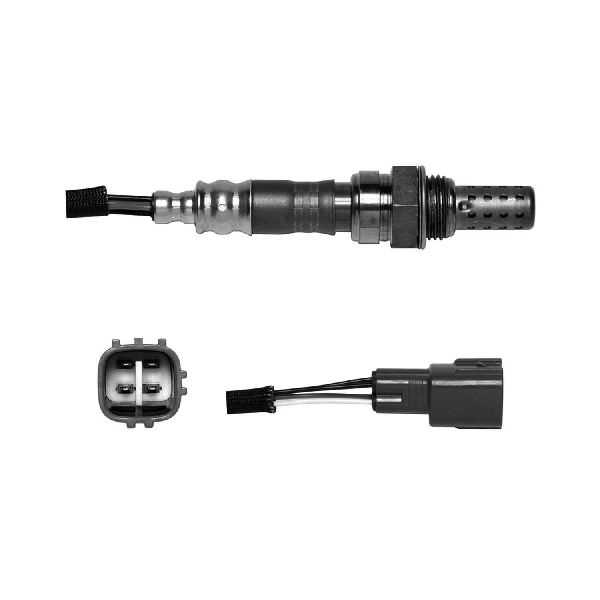
Denso is the original equipment manufacturer (OEM) for Lexus. This means it's the exact same quality as the part your car came with from the factory. For guaranteed compatibility and longevity, Denso is the top recommendation. NGK is another highly respected Japanese brand that is widely considered to be an OEM-quality equivalent. - Tier 2 (Reputable Aftermarket): Bosch, Delphi, Hella
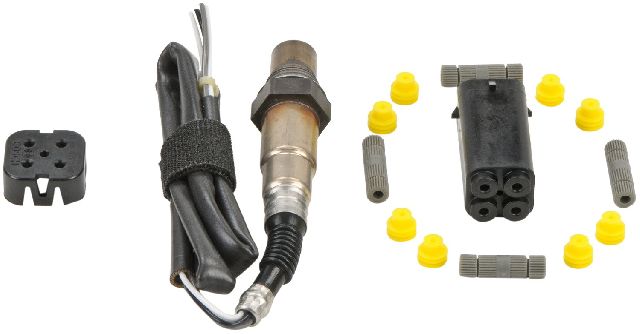
These are well-known brands that produce quality parts. However, some owners have reported issues with Bosch sensors having the wrong electrical connector, even when listed as compatible. While many have success with these brands, there is a slightly higher risk of compatibility issues compared to Denso or NGK. - Tier 3 (Budget): DriveWire, Walker Products
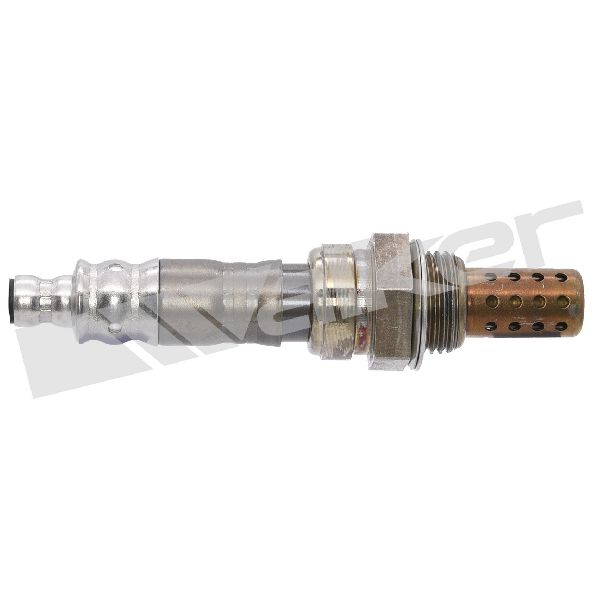
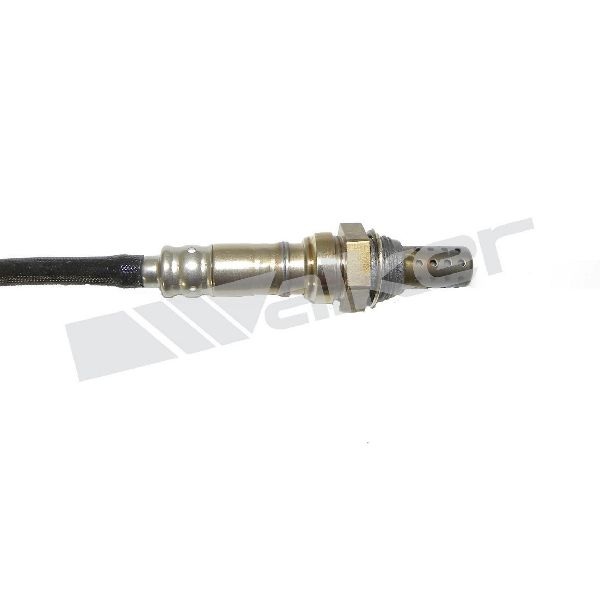
These brands offer a more affordable price point. They can be a viable option if budget is the primary concern, but they may not have the same lifespan or perfect electronic compatibility as the OEM parts. Expect them to be a functional replacement, but Tier 1 is recommended for peace of mind.
Cost of Replacing a Lexus GS300 Oxygen Sensor
The cost can vary depending on the brand you choose and whether you do the work yourself. Here are some typical cost ranges:
| Item | Estimated Cost |
|---|---|
| New Aftermarket Sensor | $39 - $138 |
| New OEM (Denso) Sensor | $110 - $180 |
| Shop Labor | $120 - $250 |
| Total Professional Replacement | $160 - $430 (per sensor) |
Frequently Asked Questions
How many oxygen sensors does my 1993-1997 GS300 have?
Your GS300 has four oxygen sensors. There are two upstream (pre-catalytic converter) sensors, one for each bank of three cylinders, and two downstream (post-catalytic converter) sensors.
What is the difference between an upstream and a downstream sensor?
The upstream sensor (Sensor 1) is located before the catalytic converter and is critical for managing the engine's air-fuel ratio. The downstream sensor (Sensor 2) is located after the catalytic converter and its main job is to check if the converter is working correctly for emissions.
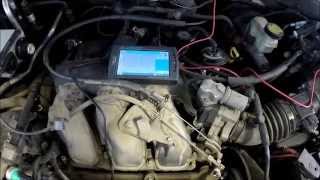
🎬 Watch: Step-by-step tutorial for replacing a secondary downstream sensor.Can I clean my old oxygen sensor?
While some people attempt to clean O2 sensors, it is not a reliable or recommended fix. The failure is usually internal to the heater circuit or the sensing element is contaminated beyond repair. Replacement is the only guaranteed solution.
What happens if I don't replace a bad oxygen sensor?
Ignoring a bad upstream sensor will lead to poor performance and high fuel consumption. Over time, a rich fuel mixture can overheat and damage your catalytic converter, which is a much more expensive repair.
Are there any recalls for the oxygen sensor on my GS300?
No. Searches of the National Highway Traffic Safety Administration (NHTSA) database and other sources did not find any recalls or technical service bulletins (TSBs) specifically for oxygen sensor failure on the 1993-1997 Lexus GS300.
Helpful Videos
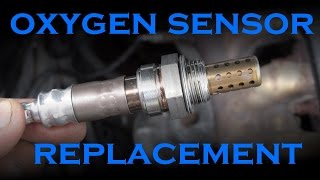
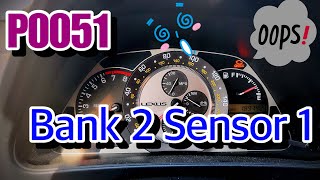
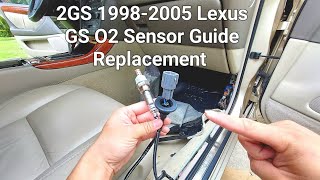
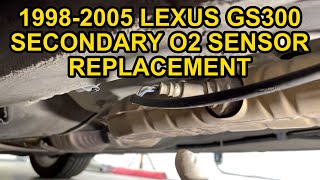
Technical Specifications
OEM Part Numbers: 89465-30480 89465-30490 89465-30740
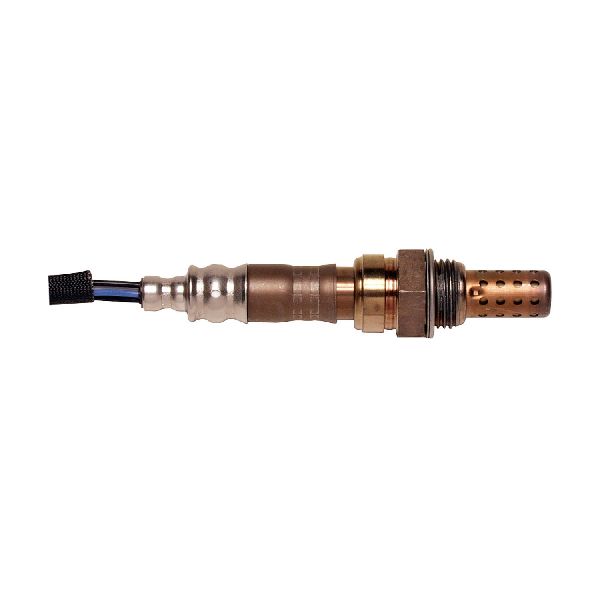
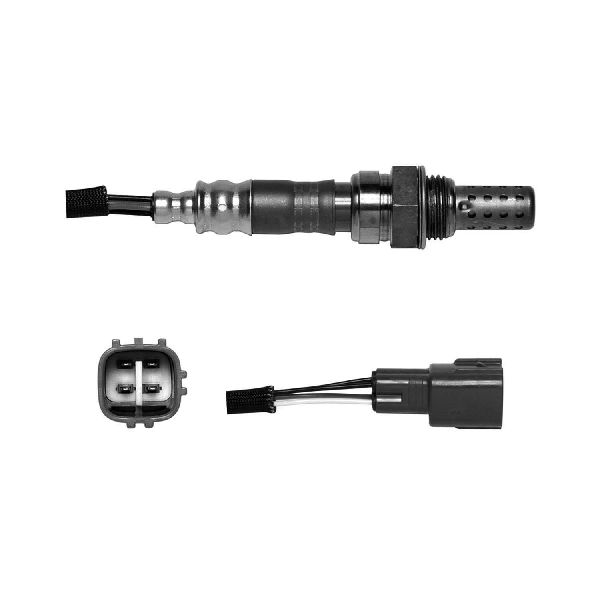
The 1993-1997 Lexus GS300 uses heated, 4-wire oxygen sensors with a threaded M18 mount. There are four total sensors: two upstream (pre-cat) and two downstream (post-cat).
We Have This Part in Stock

The information in this article is provided for general reference and educational purposes only. Vehicle specifications, procedures, and part compatibility can vary by production date, trim level, and region. Always consult your vehicle's factory service manual and verify part numbers before purchasing or performing repairs. Safety-critical components such as airbags, seat belts, and braking systems should be installed by a qualified professional.
- Lexus GS300: