

Choosing the Right Disc Brake Pads for Your 1993-1997 Mazda 626
Get the quiet, reliable stopping power your Mazda 626 needs by selecting the best aftermarket brake pads.
- Confirm if your 626 has rear disc brakes before buying, as some base models used drums.
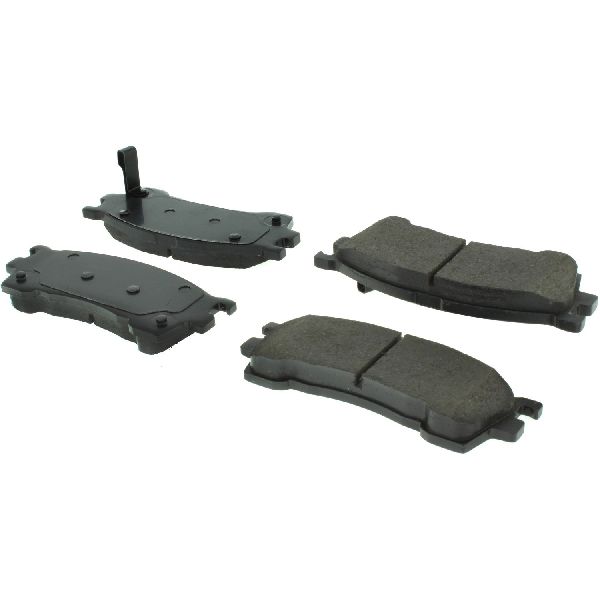
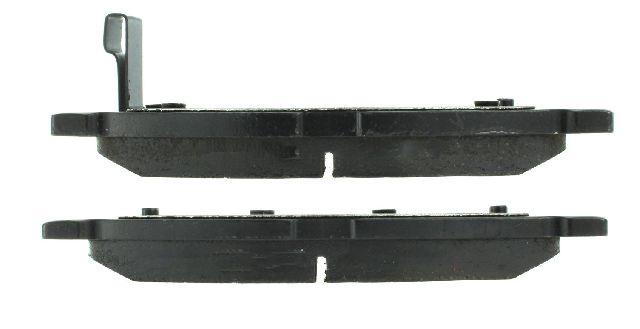
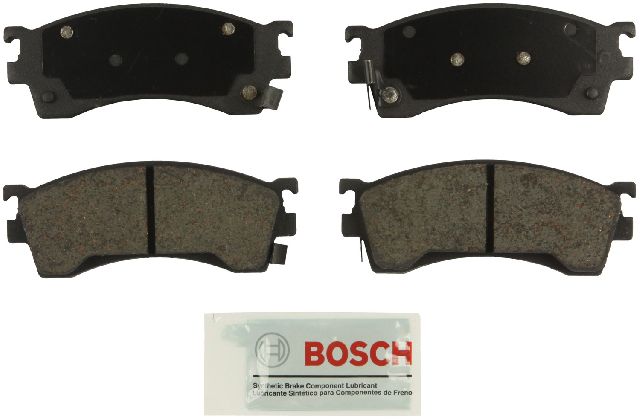
- For daily driving, quality ceramic pads from brands like Akebono, Bosch, or Wagner offer the best mix of quiet operation, low dust, and reliability.
- Always replace brake pads and rotors in pairs on the same axle to ensure safe, balanced braking.
- Replacing rear pads requires a special tool to retract the caliper piston due to the integrated parking brake.
Is It Time for New Brake Pads?
For the 1993-1997 Mazda 626, the most common signs that you need new brake pads are noises and changes in how the brake pedal feels. Worn pads often cause a high-pitched squealing sound when you brake, which is a built-in safety feature. If you ignore the squeal, it can turn into a loud, metallic grinding noise. This means the pads are completely worn out, and metal is grinding against the brake rotor, which can cause more expensive damage. You might also feel vibrations in the steering wheel or brake pedal, a condition known as brake judder. This often points to warped rotors, which should be replaced along with the pads.
Common Ordering Mistake
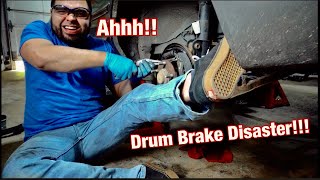
Before ordering parts, visually check your rear wheels. Some base model 1993-1997 Mazda 626s, especially those with the 4-cylinder engine, came with drum brakes in the rear instead of disc brakes. 🎬 Learn how to properly service and replace rear drum brakes. This guide and the listed parts are only for models with disc brakes on all four wheels.
Choosing the Right Aftermarket Pads for Your 626
Since the 1993-1997 Mazda 626 is an older vehicle, aftermarket parts are the most common and practical choice. Original Equipment (OEM) pads are likely difficult to find and not necessary for good performance. Aftermarket brands offer a wide range of quality and price, from budget-friendly options to high-performance upgrades. Here’s how to choose:
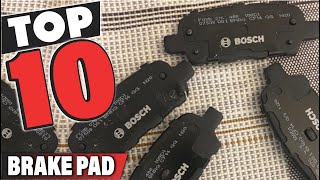
- Economy / Daily Driver Brands (Pronto, Dynamic Friction, Centric): These pads are perfect for normal, everyday driving. They offer reliable stopping power and are very affordable. Brands like Centric's Posi Quiet line are known for being a good step up from unbranded parts. They are a great choice 🎬 Watch a review of the top-rated brake pads available today. if you're looking to maintain your 626 on a budget.
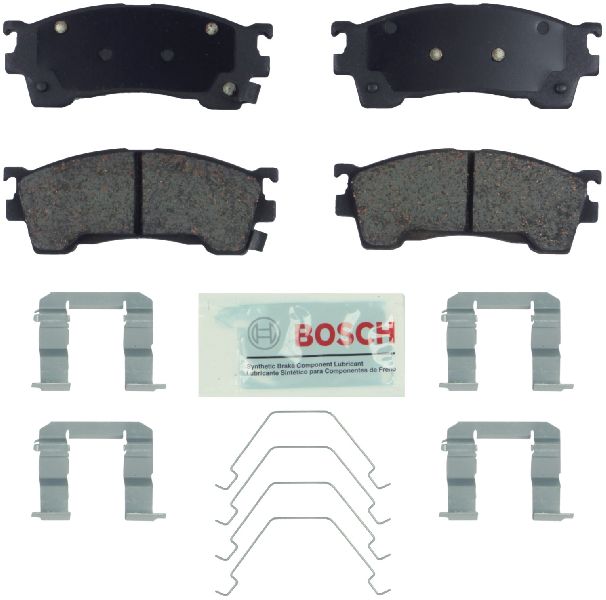
- OE-Quality Brands (Bosch, Wagner, Raybestos, Akebono): These brands are trusted names in the industry and often supply parts directly to car manufacturers. Akebono is a known OEM supplier for Mazda and is praised for being quiet and producing little dust. Bosch QuietCast and Wagner OEX or ThermoQuiet pads are also excellent choices, offering a great balance of durability, low noise, and strong performance for a daily-driven 626.
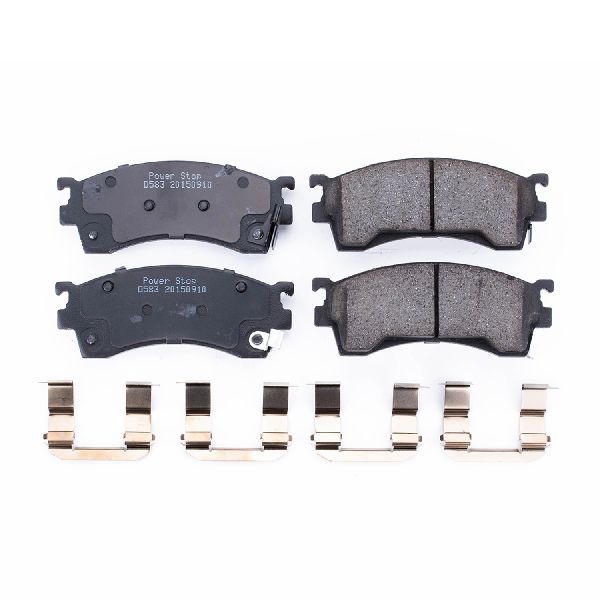
- Performance Brands (EBC Brakes, Powerstop, Brembo): If you enjoy more spirited driving or want a noticeable upgrade in braking force, these brands are worth the extra cost. Powerstop often sells complete kits that include drilled and slotted rotors with matching carbon-fiber ceramic pads for improved cooling and stopping power. For most 626 owners, however, these are not necessary for safe, daily driving.
Pro Tip: Ceramic vs. Semi-Metallic
For a daily driver like the 626, ceramic pads are usually the best choice. They are quieter, produce less of the black dust that makes your wheels dirty, and are gentle on brake rotors. Semi-metallic pads can offer slightly better performance in extreme conditions but are often noisier and create more dust. Given the options available, a quality ceramic pad from a brand like Akebono or Bosch is a great fit for this car.
Known Issues, Recalls, and Service Bulletins
There are no major recalls specifically for the brake pads on the 1993-1997 Mazda 626. However, a recall was issued for some 1999-2000 models for a faulty brake master cylinder cap that could cause brakes to drag. While not for your specific year range, it highlights that related components can cause brake problems. The most common issues reported by owners are related to seized brake calipers, especially the rear ones, which can cause pads to wear out very quickly and unevenly. Mazda has also issued general Technical Service Bulletins (TSBs) about brake judder (vibration) and noise, advising technicians to inspect for dragging calipers and to properly service or replace pads and rotors to fix the issue.
| Part Type | Price Range |
|---|---|
| New Aftermarket Brake Pads | $15.87 - $87.65 |
| Shop Labor for Installation (Pads Only) | $100 - $200 |
Frequently Asked Questions (FAQ)
Do I need to replace my brake rotors at the same time as my pads?
It is highly recommended. Installing new pads on old, worn rotors can cause noise, vibration, and reduced performance. For best results, always replace pads and rotors together on the same axle.
Should I replace front and rear brake pads at the same time?
Not necessarily. Front brake pads typically wear out faster than rear ones because they handle most of the braking force. You should replace pads based on their wear level. However, always replace the pads on both sides of the same axle (both front or both rear) at the same time to ensure even braking.
What is a "pad slap" and should I do it?
A "pad slap" is mechanic slang for replacing only the brake pads without resurfacing or replacing the rotors. While it's the cheapest option, it's not recommended for most situations as it can lead to brake pulsation and noise.
My rear brakes have a special tool requirement, why?
The rear calipers on the Mazda 626 have an integrated parking brake mechanism. To push the caliper piston back in to make room for new, thicker pads, you need a special tool that turns the piston as it compresses it. A standard C-clamp will not work and can damage 🎬 See how to replace rear pads using the correct piston tool. the caliper.
Helpful Videos

Technical Specifications
The 1993-1997 Mazda 626 uses a floating caliper design. The rear calipers incorporate the parking brake mechanism, requiring a special tool for piston retraction. Some base models may have rear drum brakes.
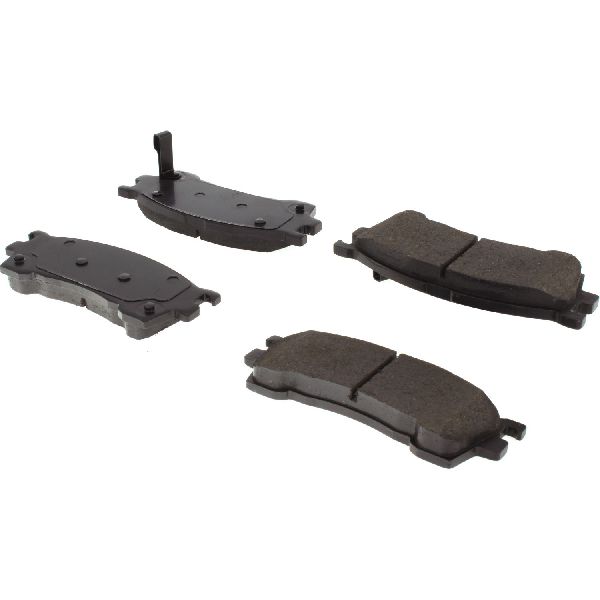
We Have This Part in Stock

The information in this article is provided for general reference and educational purposes only. Vehicle specifications, procedures, and part compatibility can vary by production date, trim level, and region. Always consult your vehicle's factory service manual and verify part numbers before purchasing or performing repairs. Safety-critical components such as airbags, seat belts, and braking systems should be installed by a qualified professional.
- Mazda 626: