

Toyota Corolla Distributor Guide for 1993-1997 Models
If your Corolla is running rough, stalling, or won't start, the distributor could be the problem.
- A failing distributor on a 1993-1997 Corolla can cause stalling, no-starts, and rough running.
- Check for a common oil leak from the distributor O-ring; fixing it early can prevent more costly electrical failures.
- Replacing the entire distributor assembly is often the most reliable repair.
- You MUST set the ignition timing with a timing light after installing a new distributor.
Is Your Corolla's Distributor Failing?

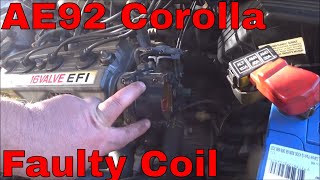
The distributor in the 7th generation Corolla (equipped with 4A-FE and 7A-FE engines) is a common failure point as these cars age. The internal components, like the ignition coil and pickup coils (igniter), can wear out from heat and time. A very common issue is an oil leak from the distributor's O-ring, which can contaminate internal parts and cause bigger problems. If you're experiencing issues like stalling, a rough idle, or a no-start condition, the distributor is a likely suspect.
Common Symptoms of a Bad Distributor

- Engine Stalls or Cuts Out: The car may die while driving and refuse to restart until it cools down.
- No-Start Condition: The engine cranks over but there is no spark at the plugs.
- Rough Idle and Misfires: The engine may shake, run poorly, and you might feel a jerking sensation while driving.
- Hesitation on Acceleration: The car may stumble or hesitate, especially on cold or damp days, before picking up speed.
- Check Engine Light: While many issues can trigger this light, a failing distributor can be a cause, especially on 1996 and 1997 OBD-II models.
- Oil Leak: A visible oil leak from where the distributor enters the cylinder head is a sign the O-ring has failed. This is a very common problem.
Oil Leaks Are a Serious Sign
An oil leak from the distributor O-ring seems minor, but it's a warning. Oil can seep inside the distributor housing, damaging the sensitive electronic components like the coil and igniter, leading to a much more expensive repair. It's best to address this leak as soon as you spot it.
🎬 See how to replace the O-ring to stop oil leaks.Choosing a New Aftermarket Distributor

For a vehicle of this age, an aftermarket distributor is a cost-effective choice. OEM parts can be extremely expensive or discontinued. However, quality can vary. Aftermarket brands are generally a practical option for older vehicles if you choose a reputable supplier.
Brand Quality Tiers
- WAI Global: WAI manufactures 100% new distributors, not remanufactured ones. They are known for using OE-grade materials and aim for an exact fit. While marketing materials are positive, some user reviews report early failures, suggesting quality can be inconsistent.
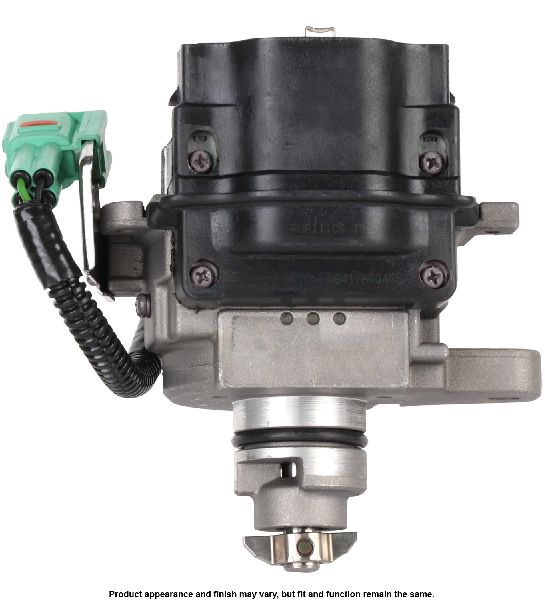
- Cardone: Cardone offers both new and remanufactured distributors. Historically a decent rebuilder, some users report a decline in quality, with issues like missing timing marks or premature component failure. They can be a budget-friendly option, but be aware of potential inconsistencies.
- Replacement: This is often a generic or house brand. Quality can be a gamble, but they are typically the most affordable. These parts are direct-fit replacements and often come as a complete assembly with a new cap and rotor.
Pro Tip: Replace as a Complete Assembly
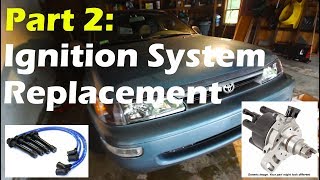
When you replace your distributor, it's wise to also replace the spark plugs and spark plug wires if they haven't been changed recently. Most new aftermarket distributors come with a new cap and rotor already installed, which is a major benefit. This ensures the entire secondary ignition system is fresh.
🎬 Watch this step-by-step distributor and spark plug wire replacement guide.Cost of Replacing a 1993-1997 Toyota Corolla Distributor
| Part Type | Estimated Cost |
|---|---|
| New Aftermarket Distributor | $139 - $290 |
| Remanufactured Distributor | $150 - $300 |
| Used OEM (Junkyard) | $40 - $100 |
| Shop Labor | $120 - $250 |
| Total Professional Replacement (Aftermarket) | $260 - $540 |
Cost estimates are approximate and can vary based on location, brand, and vehicle condition.
Frequently Asked Questions (FAQ)

Do I have to set the ignition timing after replacing the distributor?
Yes, this is a critical step. After installing the new distributor, you must use a timing light to check and adjust the ignition timing to the manufacturer's specification (usually found on a sticker under the hood). For 1996-97 models, this involves connecting a scan tool and putting the vehicle into a special timing mode. 🎬 Watch a demonstration on how to correctly adjust ignition timing. Failure to set the timing correctly will result in poor performance, bad fuel economy, and potential engine damage.
What is the most common distributor failure on this Corolla?
The two most common failures are an external oil leak from a dried-out O-ring and internal failure of the ignition coil or pickup coil (igniter). The oil leak itself is a simple fix, but if ignored, it can cause the more serious electrical failures.
Can I just replace the bad part inside the distributor?
While it's sometimes possible to replace individual components like the coil, O-ring, cap, or rotor, it is often more reliable and cost-effective to replace the entire distributor assembly. Many aftermarket distributors are sold as complete, ready-to-install units, which saves time and prevents compatibility issues.
Is replacing the distributor a DIY job?
Yes, for someone with moderate mechanical skill and the right tools, this is a manageable DIY job. The key challenges are marking the original position of the old distributor to get the car started again and correctly setting the ignition timing with a timing light after installation.
Helpful Videos
Technical Specifications
OEM Part Numbers: 19020-16280 19020-15140
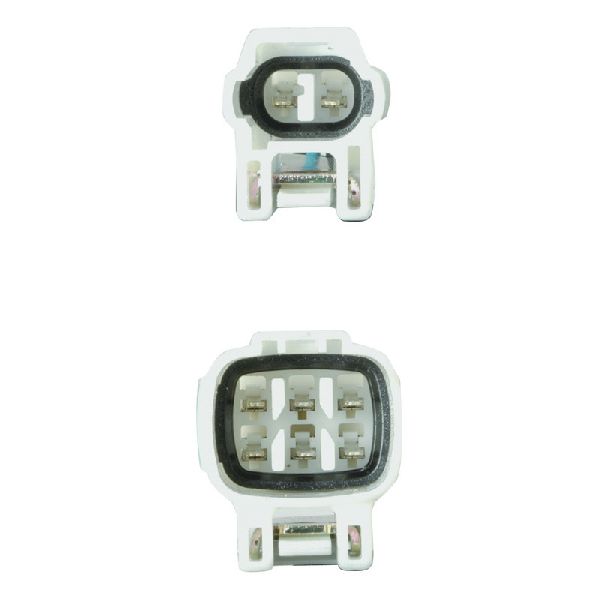
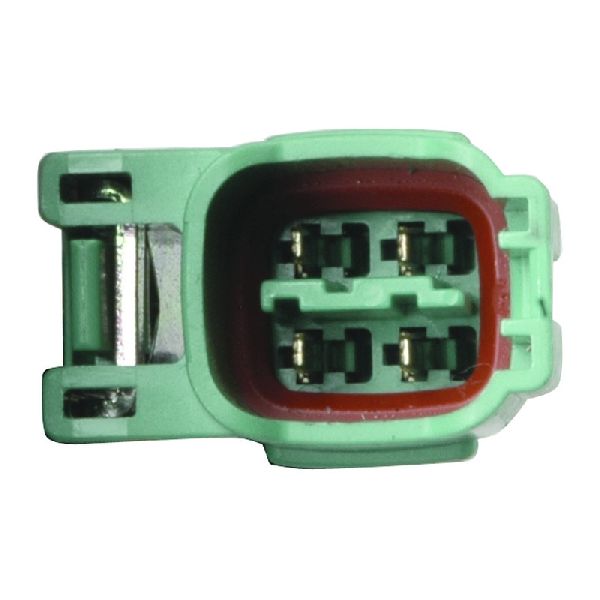
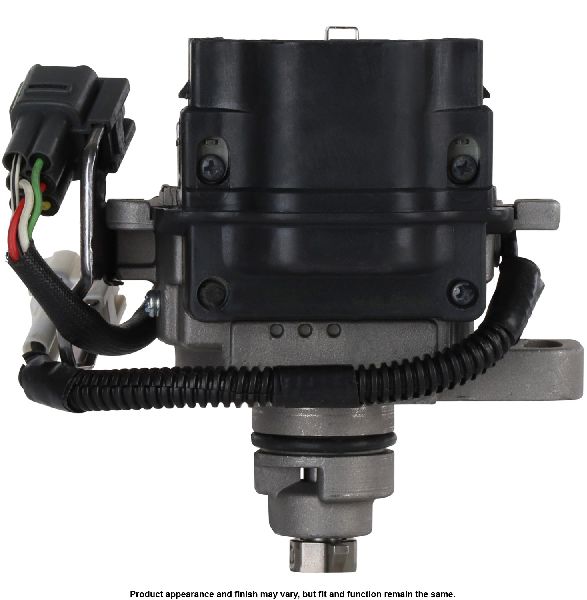
Fits 1.6L (4A-FE) and 1.8L (7A-FE) engines. The assembly includes the housing, internal ignition coil, igniter (pickup coil), shaft, rotor, and cap. The design is a Hall Effect type with computer-controlled advance.
We Have This Part in Stock

The information in this article is provided for general reference and educational purposes only. Vehicle specifications, procedures, and part compatibility can vary by production date, trim level, and region. Always consult your vehicle's factory service manual and verify part numbers before purchasing or performing repairs. Safety-critical components such as airbags, seat belts, and braking systems should be installed by a qualified professional.
- Toyota Corolla:
- 🎬 Helpful Videos
- 🛍️ Shop This Part
- Is Your Corolla's Distributor Failing?
- Common Symptoms of a Bad Distributor
- Oil Leaks Are a Serious Sign
- Choosing a New Aftermarket Distributor
- Brand Quality Tiers
- Pro Tip: Replace as a Complete Assembly
- Cost of Replacing a 1993-1997 Toyota Corolla Distributor
- Frequently Asked Questions (FAQ)
- 🎟️ Get 5% Off