

A/C Condenser Guide for the 1993-1998 BMW 325i (E36)
Is your E36's air conditioning blowing warm? Your A/C condenser might be the culprit.
- The most common cause of failure is road debris puncturing the unit; it's rarely a manufacturing defect.
- You MUST replace the A/C receiver-drier anytime you replace the condenser to protect the system.
- The A/C system must be professionally evacuated before repair and properly vacuumed/recharged after.
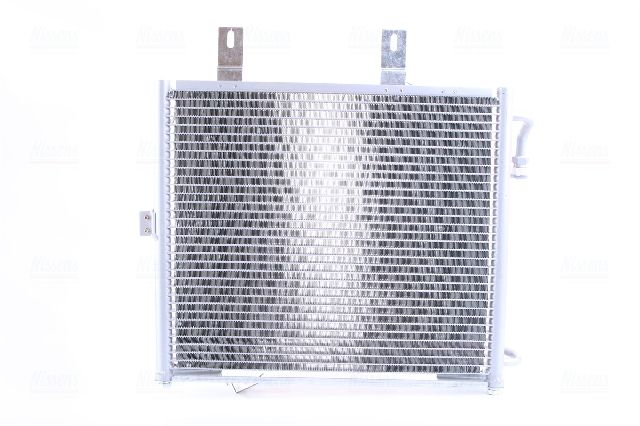
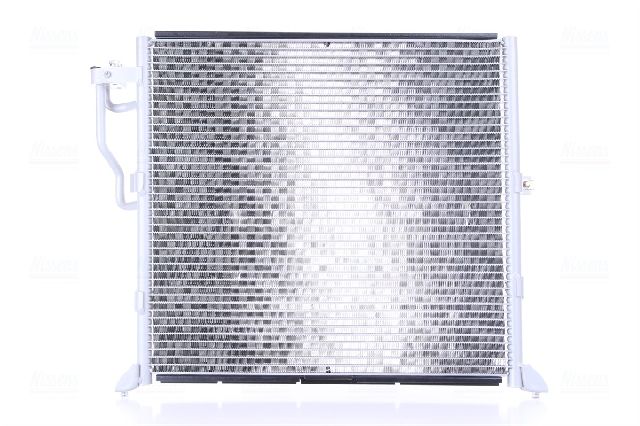
- A quality aftermarket brand like Nissens offers a smart balance of price and performance for this part.
Is Your E36 A/C Condenser Failing?
The A/C condenser lives a tough life at the front of your 325i, making it the most common component to fail from external factors. Because of its location, it is highly vulnerable to impacts from rocks and road debris, which can puncture the delicate aluminum tubing and cause a refrigerant leak. Over many years, corrosion can also weaken the metal, leading to cracks and leaks.
Symptoms of a Bad A/C Condenser
- Warm Air from Vents: This is the most common sign. If the refrigerant has leaked out, the system cannot cool the air.
- Inconsistent Cooling: The A/C might work intermittently before failing completely.
- Visible Damage: You may be able to see bent or clogged fins, or oily residue from a refrigerant leak on the condenser's surface.
- Hissing Noises: A hissing sound from the front of the vehicle when the A/C is on can indicate refrigerant escaping from a puncture.
Check for Leaks Professionally
Before buying parts, it's wise to have an A/C shop perform a leak test using UV dye. This will confirm the condenser is the source of the leak and not another component like a hose or the compressor.
Choosing the Right Aftermarket Condenser
For the E36 325i, you don't need to pay for a Genuine BMW part to get reliable performance. The original condensers are known to fail from road debris, so a high-quality aftermarket part offers the best value. Most modern aftermarket condensers use a parallel flow design, which is more efficient with R134a refrigerant than the older factory designs.
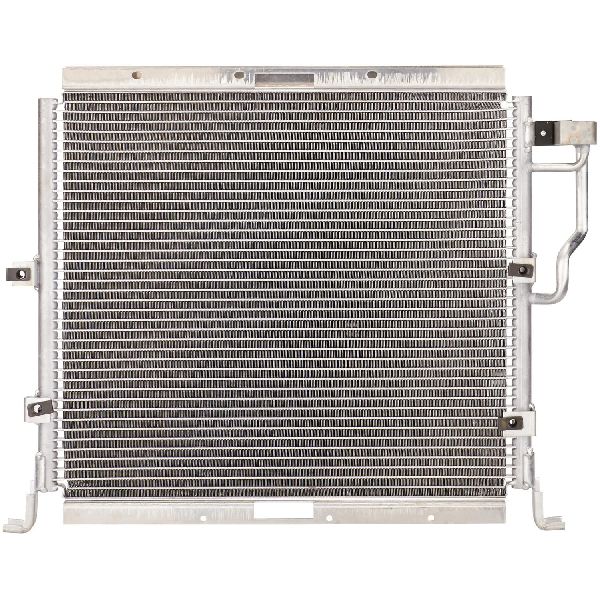
- Premium Aftermarket (Nissens, Spectra): Brands like Nissens have a strong reputation in the European car community for producing parts that meet or exceed OEM specifications. They are known for excellent fit, durability, and thermal performance. Spectra is another well-regarded brand in this tier.
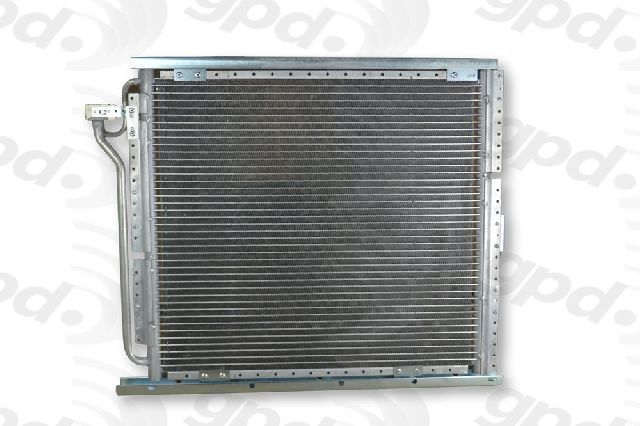
- Standard Aftermarket (APDI, Global Parts): These brands offer a cost-effective solution that will restore A/C function. While they may not have the same long-standing reputation as premium brands, they are a viable option for budget-conscious repairs. A user review for a similar budget brand noted that the fit was good and it seemed better made than the original.
Always Replace the Receiver-Drier
Whenever the A/C system is opened to the atmosphere, you must replace the receiver-drier (also called the accumulator). This part absorbs moisture from the refrigerant. A new condenser should always be installed with a new receiver-drier to prevent internal corrosion and ensure the longevity of your A/C system.
A/C Condenser Replacement Cost for 1993-1998 BMW 325i
The total cost depends on whether you do the work yourself or use a professional shop. The biggest variables are labor rates and the brand of the part you choose.
| Part/Service | Estimated Cost |
|---|---|
| New Aftermarket Condenser | $137 - $181 |
| New Receiver-Drier | $30 - $75 |
| Shop Labor (Evacuate, Install, Recharge) | $250 - $450 |
| Total Professional Job | $417 - $706 |
Frequently Asked Questions
Can I replace the A/C condenser myself?
Yes, this is a DIY-feasible job for someone with moderate mechanical skill, but it requires special tools. The process involves removing the front bumper and other components. Crucially, the system must be professionally evacuated before you begin work, and you will need a vacuum pump and manifold gauges to properly vacuum and recharge the system after installation. Failure to pull a deep vacuum can leave moisture in the system, leading to poor performance and future component failure.
Do I need to add oil when replacing the condenser?
Yes. When a condenser is replaced, a specific amount of PAG 46 oil is lost. You must add the correct amount of new PAG oil to the new condenser before installation to ensure the compressor stays lubricated. The exact amount can vary, so check a repair manual for your specific vehicle's capacity.
My A/C blows air, but it's not cold. Could it be something else?
Yes. While a leak is the most common cause, other issues can prevent cold air. On the E36, a faulty climate control module (often due to a bad internal capacitor) or a failed Final Stage Resistor (also called the "hedgehog") can cause various HVAC problems, though these typically affect blower function or control rather than refrigerant pressure. A bad A/C compressor or pressure switch can also be the cause.
Is there a recall on the E36 A/C system?
No, there are no specific recalls or widespread Technical Service Bulletins (TSBs) from BMW or the NHTSA for the A/C condenser on the 1993-1998 325i.
Technical Specifications
OEM Part Numbers: 64538373004 64538391406 64538371889
Fits models manufactured from September 1992 onwards. Most aftermarket replacements are of a parallel flow design.
We Have This Part in Stock

The information in this article is provided for general reference and educational purposes only. Vehicle specifications, procedures, and part compatibility can vary by production date, trim level, and region. Always consult your vehicle's factory service manual and verify part numbers before purchasing or performing repairs. Safety-critical components such as airbags, seat belts, and braking systems should be installed by a qualified professional.
- BMW 325i: