

Chevrolet Camaro Engine Mounts: A Guide for 1993-1998 Models
Eliminate engine vibrations and clunking noises by selecting the correct replacement mount for your 4th Generation Camaro.
- Decide between standard rubber mounts (Anchor, Westar) for comfort or polyurethane mounts (Energy Suspension, Nolathane) for performance and durability.
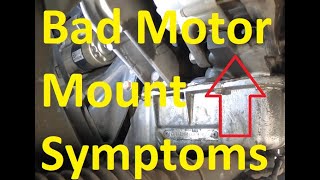
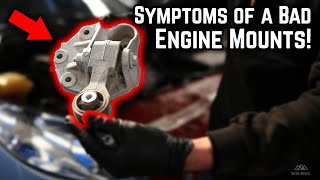
- Symptoms of failure include heavy vibration at idle, clunking noises on acceleration, and visible engine movement.
- It is highly recommended to replace engine mounts in pairs to ensure proper alignment and prevent future failures.
- Ensure you are buying the correct part for your engine (LT1 for 1993-1997, LS1 for 1998) as they are not interchangeable.
Is Your Camaro Shaking or Making Clunking Noises? It Could Be the Engine Mounts.
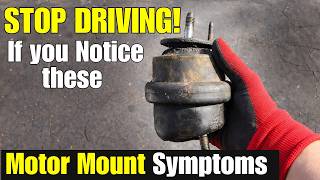
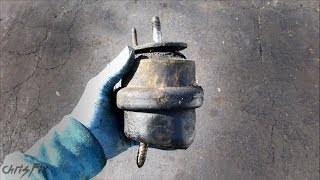
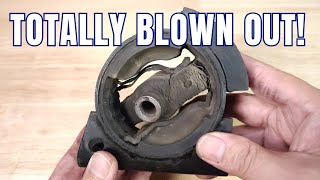
The engine mounts on the 4th generation Camaro are a common wear item. The original mounts are often a fluid-filled design that can leak and collapse over time. Heat from the engine and the torque from acceleration put a lot of stress on the rubber, causing it to crack, tear, or break down. When this happens, the engine can move around more than it should, leading to a number of noticeable problems.
🎬 Watch: Common signs and symptoms of failing engine mounts.Choosing the Right Aftermarket Engine Mount
When shopping for new engine mounts, you have two main choices: standard rubber replacements or performance-oriented polyurethane upgrades. The right one for you depends on how you use your Camaro.
Standard Replacement Mounts (Good for Daily Drivers)
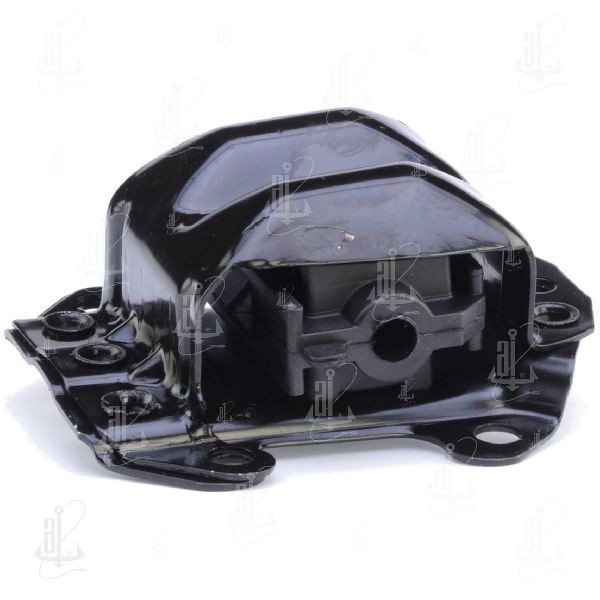
Brands like Anchor, Westar, and DEA offer direct replacements that are similar to the original factory mounts. These are made from solid rubber and are designed to restore the original ride quality and comfort. They are the most affordable option and are a great choice for a daily driven car where keeping vibration and noise low is a priority. While some users report success with these brands, others have noted that their quality can be inconsistent compared to original GM parts.
Performance Polyurethane Mounts (For Enthusiast & Modified Cars)
Brands like Energy Suspension and Nolathane offer polyurethane (often called "poly") mounts. These are much stiffer and more durable than rubber. The main benefit is that they significantly reduce engine movement, which can improve throttle response and how the car feels under hard acceleration. The trade-off is a noticeable increase in engine vibration and noise inside the car (known as NVH, or Noise, Vibration, and Harshness). Some drivers find this acceptable for the performance gain, while others find it too harsh for a daily driver. Note that some polyurethane options are inserts that require you to reuse your old mount's metal shell.
🎬 See how to install polyurethane engine mount inserts.A Note on 1998 LS1 vs 1993-1997 LT1 Engines
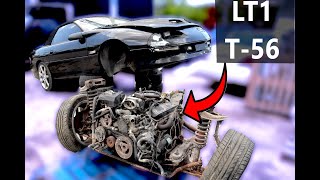
The 1998 Camaro was the first year for the new all-aluminum LS1 V8 engine, replacing the previous LT1. While the cars look similar, the engine mounts and the K-member (the engine cradle) are different between LT1 and LS1 cars. Always confirm you are buying mounts specifically listed for your model year and engine to ensure proper fitment.
Cost of Replacing Engine Mounts on a 1993-1998 Camaro
| Part Type | Estimated Cost |
|---|---|
| New Aftermarket (Rubber) | $16 - $60 per mount |
| New Aftermarket (Polyurethane) | $40 - $95 per mount/kit |
| Shop Labor | $200 - $450 |
Labor costs can vary based on your location and the specific shop. The job typically takes between 2 and 4 hours.
Frequently Asked Questions
What's the difference between rubber and polyurethane mounts?
Rubber mounts are softer and better at absorbing vibration, giving you a comfortable ride like the car had when it was new. Polyurethane mounts are very hard and durable, designed for performance driving to keep the engine from moving, but they will transfer more engine vibration into the car's cabin.
Do I need to replace both engine mounts at the same time?
It is highly recommended. Engine mounts wear out at a similar rate. If one has failed, the other is likely not far behind. Replacing them in pairs ensures proper engine alignment and saves you from having to do the same job twice in the near future.
How can I check if my engine mounts are bad?
With the hood open and the car safely parked, have a helper briefly shift the car from Drive to Reverse with their foot firmly on the brake. If you see the engine lift or jerk excessively, the mounts are likely worn out. You can also look for visible cracks in the rubber or fluid leaking from the mount if it's a hydraulic type.
🎬 Watch this guide to diagnosing bad engine and transmission mounts.Will new engine mounts fix my car's vibration?
If the vibration is caused by bad engine mounts, then yes, new mounts should make the car feel much smoother, especially at idle and when accelerating. However, vibrations can also be caused by other issues like tire balance or suspension problems, so a proper diagnosis is key.
Helpful Videos


Technical Specifications
OEM Part Numbers: 22188497
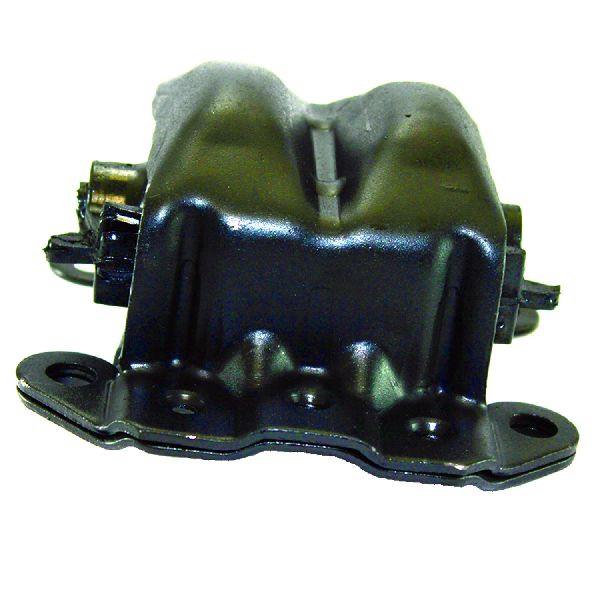
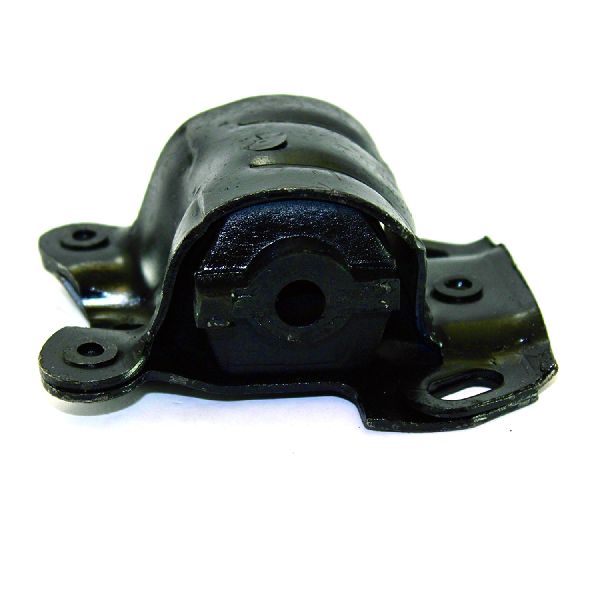
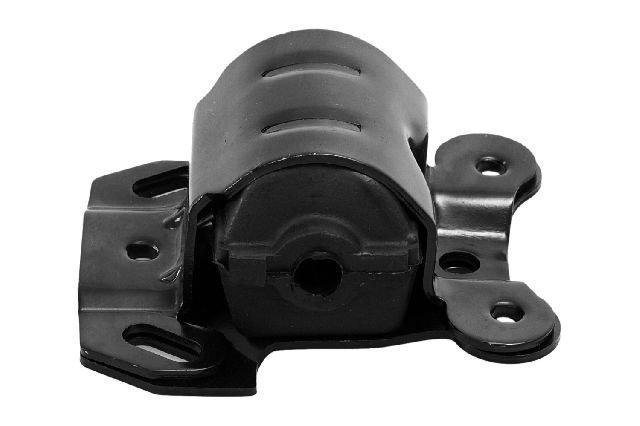
The 1993-1998 Camaro uses a two-bolt engine mount design that attaches to the K-member. The 1993-1997 models with the LT1 engine and the 1998 model with the LS1 engine use different mounts and mounting positions on the K-member. Original mounts were often fluid-filled (hydraulic), while most aftermarket replacements are solid rubber or polyurethane.
We Have This Part in Stock


The information in this article is provided for general reference and educational purposes only. Vehicle specifications, procedures, and part compatibility can vary by production date, trim level, and region. Always consult your vehicle's factory service manual and verify part numbers before purchasing or performing repairs. Safety-critical components such as airbags, seat belts, and braking systems should be installed by a qualified professional.
- Chevrolet Camaro: