

A Guide to the Engine Camshaft Position Sensor for the 1993-1998 Eagle Talon
Solve common stalling, no-start, and rough running issues on your Talon by understanding its cam sensor.
- You MUST verify your Talon's exact year (93-94, 95-96, or 97-98) to get the correct sensor design.
- For reliability, OEM Mitsubishi sensors are strongly recommended by enthusiasts over most aftermarket brands for this part.
- Replacement on 1995-1996 models is a difficult job that requires timing belt work.
- A failing sensor can cause the engine to stall in traffic, making it a critical safety repair.
Understanding Your Talon's Specific Cam Sensor
Before buying a new camshaft position sensor, it's extremely important to know which version your Eagle Talon has. The design changed significantly between generations and even within the second generation.
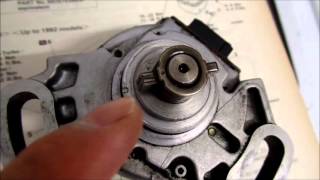
- 1993-1994 (1G DSM): These models use a Cam Angle Sensor (CAS) housed in an assembly on the driver's side of the cylinder head. 🎬 Watch this walkthrough on installing a 1G Cam Angle Sensor. It's a different design from later models, and sometimes the internal sensor can be replaced separately from the entire housing.
- 1995-1996 (2G DSM): For these two years, the sensor is located behind the intake cam gear. This is a major difference, as replacing it requires removing the upper timing belt cover and likely the timing belt itself. This makes the job much more difficult.
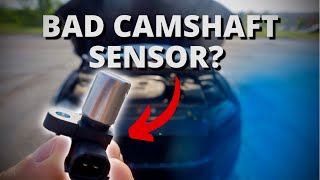
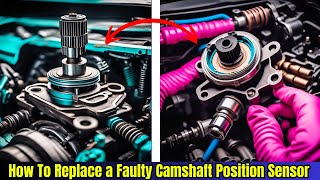
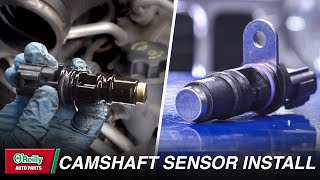
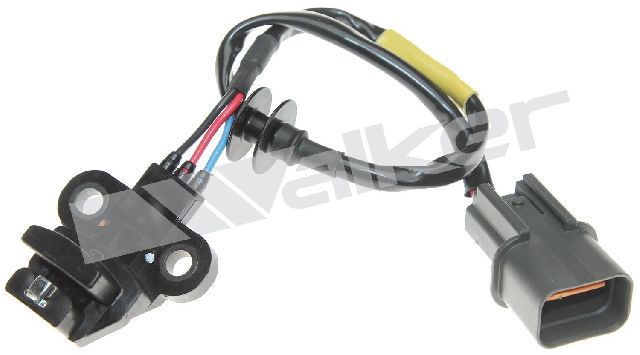
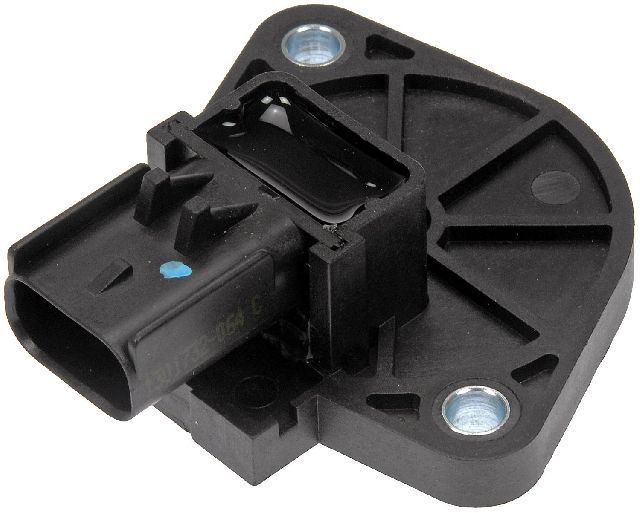
- 1997-1998 (2G DSM): In these later models, the sensor was moved to the exhaust side of the cylinder head. It is a simple magnetic pickup sensor held in by a single bolt, making it far easier to access and replace. 🎬 Watch a quick guide on replacing this style of sensor.
Symptoms of a Failing Camshaft Position Sensor
A bad cam sensor can cause problems that seem major, but they all trace back to the ECU not knowing the engine's timing. Common symptoms include:
- Check Engine Light: The most common sign is a check engine light with code P0340, which points to a malfunction in the sensor's circuit. 🎬 See how to diagnose and fix a P0340 trouble code.
- Engine Will Not Start: The engine will crank but won't fire up because the ECU isn't getting the signal needed to time the spark and fuel.
- Sudden Stalling: The engine may stall without warning while driving or idling. This can be very dangerous.
- Rough Performance: You may experience a rough idle, engine misfires, hesitation when accelerating, and a general lack of power.
- Poor Fuel Economy: When the ECU can't time fuel injection correctly, it often results in the engine running inefficiently and burning more gas.
Choosing the Right Aftermarket Part: OEM vs. Aftermarket
For many parts, aftermarket brands are a great value. However, for critical electronics on DSMs like the Eagle Talon, the owner community has a strong preference.
Tier 1: Highest Reliability
- OEM Mitsubishi: This is the most recommended option. The original sensors are known for their reliability and correct electronic specifications. The part number for the 1997-1998 sensor is often MD327107. While more expensive, it is the benchmark for quality and avoids the headaches that can come with cheaper alternatives.
Tier 2: Quality Aftermarket
- Delphi, NGK (NTK), Hitachi: These brands are often original equipment manufacturers for many car companies and have a reputation for better quality control than budget brands. If an OEM Mitsubishi part is not available, these are your next best choices.
Tier 3: Budget Options
- Dorman, Standard Ignition, Walker, and others: While attractively priced, these sensors have a mixed reputation in the DSM community. They may fail prematurely, have incorrect pin fitment, or cause subtle running issues. They can be a viable option if the budget is the primary concern, but be aware of the potential for a shorter lifespan.
| Part Type | Estimated Cost |
|---|---|
| New OEM (Mitsubishi) | $125 - $415 |
| New Aftermarket | $18 - $150 |
| Shop Labor | $60 - $350 |
Labor costs vary significantly based on model year. 1997-1998 models are on the low end, while 1995-1996 models are on the high end due to timing belt work.
Frequently Asked Questions
Can I replace the cam sensor myself?
It depends on the year. For 1997-1998 models, it's a very easy DIY job requiring basic tools. For 1993-1994 models, it is also generally accessible. However, for 1995-1996 models, the sensor is behind the timing gear, and replacement is a difficult job best left to an experienced mechanic unless you are comfortable performing a timing belt service.
Is an OEM sensor really worth the extra money?
For this specific part on this specific car, the consensus among experienced owners is yes. Aftermarket sensors are known to cause frustrating, hard-to-diagnose issues. An OEM Mitsubishi sensor provides peace of mind that the part meets the exact specifications the ECU requires.
What's the difference between a camshaft and a crankshaft sensor?
They work together. The crankshaft sensor tells the ECU the rotational speed and position of the crankshaft (the engine's bottom end). The camshaft sensor tells the ECU the position of the camshaft (the top end). The ECU uses both signals to get a complete picture of the engine's cycle for precise timing.
Are there any recalls for the Eagle Talon cam sensor?
No. Searches of the NHTSA database and other sources show no official recalls or technical service bulletins (TSBs) for the camshaft position sensor on 1993-1998 Eagle Talon models.
Helpful Videos


Technical Specifications
OEM Part Numbers: MD327107 (for 1997-1998 models)
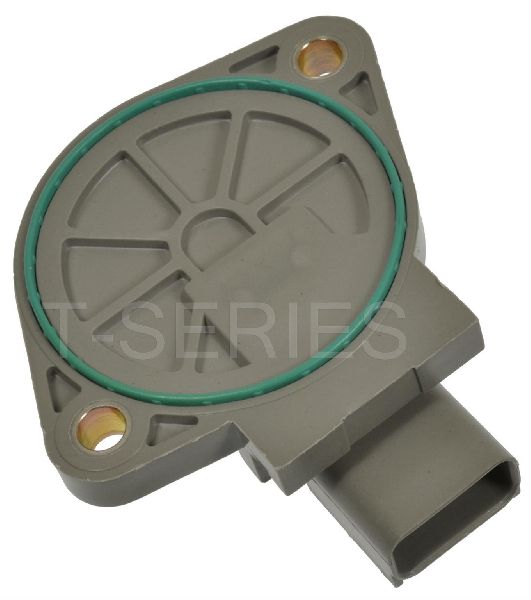
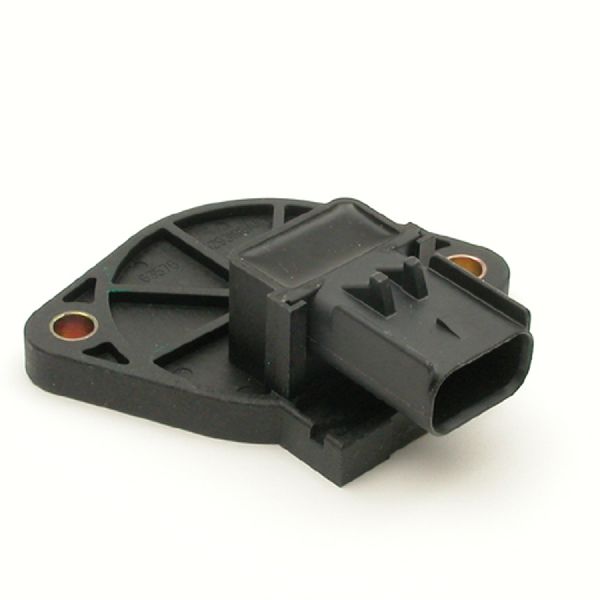
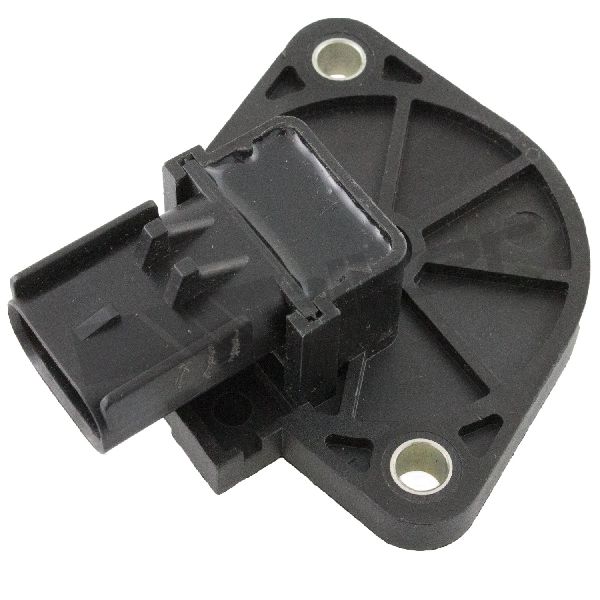
Sensor type and location varies by model year. 1993-94 models use a housing-style Cam Angle Sensor. 1995-96 models use a sensor located on the intake cam. 1997-98 models use a 3-pin magnetic sensor on the exhaust cam.
We Have This Part in Stock


The information in this article is provided for general reference and educational purposes only. Vehicle specifications, procedures, and part compatibility can vary by production date, trim level, and region. Always consult your vehicle's factory service manual and verify part numbers before purchasing or performing repairs. Safety-critical components such as airbags, seat belts, and braking systems should be installed by a qualified professional.
- Eagle Talon: