

Oxygen Sensor Replacement Guide for the 1993-1998 Jeep Grand Cherokee ZJ
Fix that check engine light and improve your fuel economy by choosing the right O2 sensor for your ZJ.
- Stick with NTK (NGK) or Denso brand sensors for the best reliability and to avoid compatibility issues with your Jeep's computer.
- 1996-1998 models have more sensors than 1993-1995 models due to the switch from OBD-I to OBD-II.
- The most difficult part of the job is often removing the old sensor, which can be seized in the exhaust pipe; use plenty of penetrating oil and an O2 sensor socket.
- Always confirm the sensor's location (upstream/downstream) and connector type before ordering to ensure you get the right part.
Understanding Your ZJ's Oxygen Sensors

A failing oxygen sensor is a common issue on the first-generation Jeep Grand Cherokee (ZJ). When it goes bad, it can cause a variety of noticeable problems, from poor performance to a failed emissions test. These sensors have a typical lifespan and often need replacement after around 100,000 miles. The number of sensors on your Jeep depends on the model year. Models from 1993-1995 are typically OBD-I and have one or two sensors located before the catalytic converter (upstream). Models from 1996-1998 are OBD-II and have additional sensors after the catalytic converter (downstream) to monitor its efficiency.
Signs of a Failing Oxygen Sensor

The symptoms of a bad O2 sensor can be subtle at first but will worsen over time. Ignoring them can lead to more expensive repairs down the road, including damage to your catalytic converter.
- Check Engine Light: The most common sign is a check engine light with codes related to the O2 sensor's heater circuit or performance.
- Poor Fuel Economy: The engine's computer may create a rich fuel mixture to compensate for bad sensor readings, causing you to use more gas.
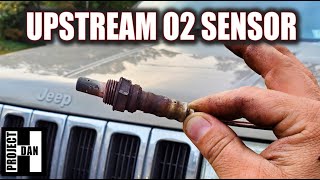
- Rough Idle and Misfires: An incorrect air/fuel mixture can cause your engine to run rough, hesitate, or misfire. 🎬 Watch how a new upstream sensor fixed this Jeep's misfire.
- Failed Emissions Test: A bad sensor will prevent your vehicle from passing a smog test due to high emissions.
Don't Ignore the Signs
While you can drive with a bad O2 sensor, it's not recommended for long. Continued driving with a very rich fuel mixture can overheat and destroy your catalytic converter, a much more expensive part to replace.
Choosing the Right Aftermarket O2 Sensor

When it comes to electronic parts for your ZJ, brand matters. Many experienced Jeep owners have found that these vehicles can be picky about the sensors they use. Using a low-quality or incompatible sensor can sometimes be worse than leaving the old one in.
Brand Recommendations
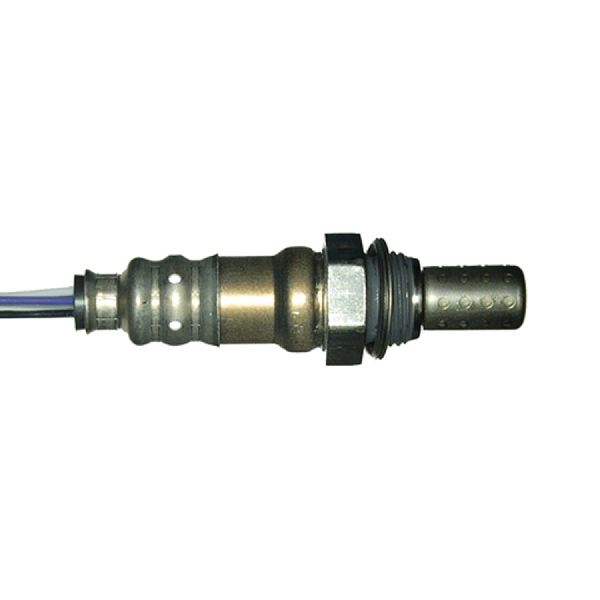
- Top Tier (OEM Equivalent): NGK (also sold as NTK) and Denso are widely considered the best choices. NTK was the original equipment manufacturer for many Jeep models, making their sensors a direct, reliable replacement that the vehicle's computer will recognize and work with correctly.
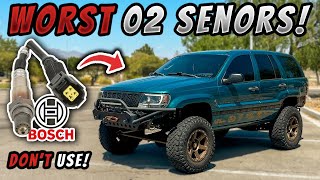
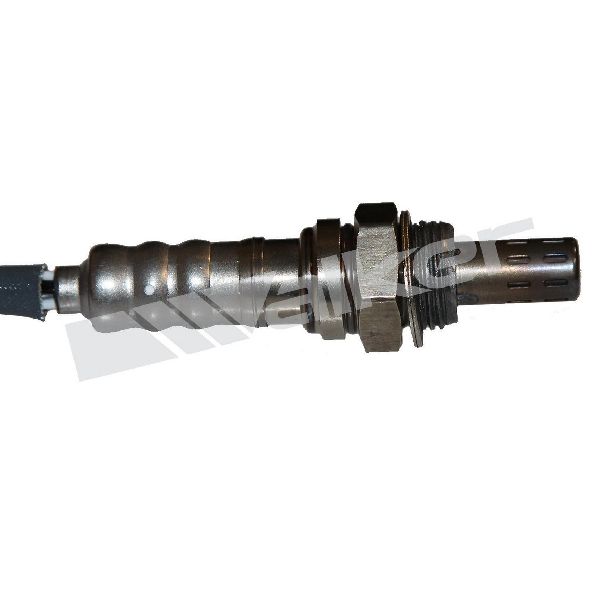
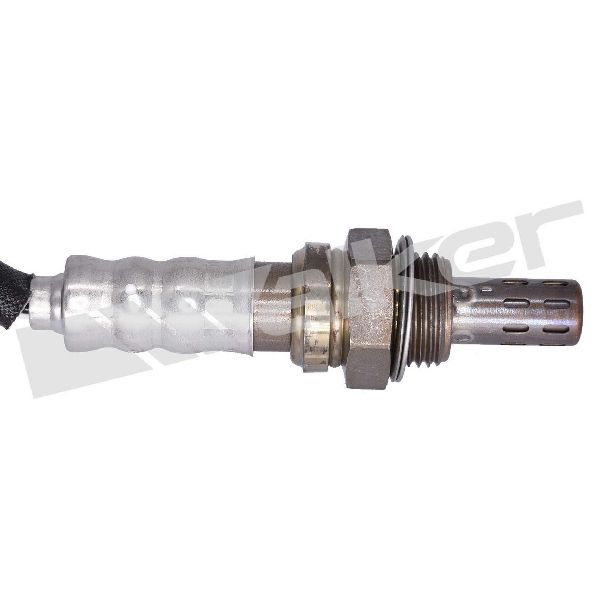
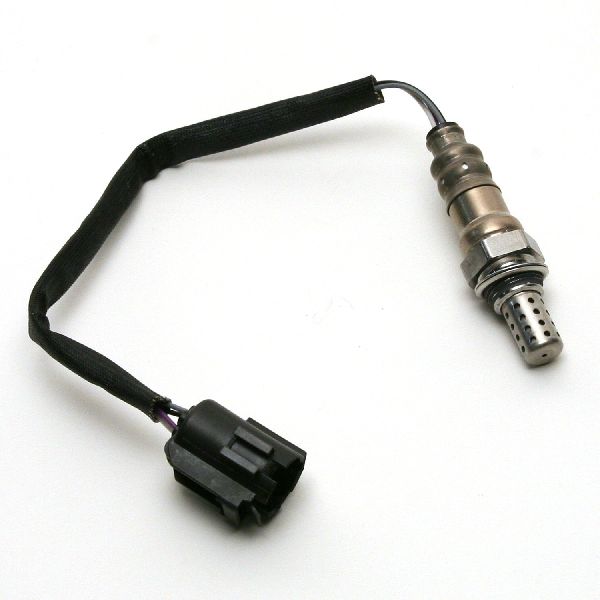
- Mid-Tier (Generally Reliable): Brands like Delphi and Walker Products are established names in the aftermarket and can be a good alternative if a top-tier brand is unavailable. Bosch is a major O2 sensor inventor and manufacturer, but forum discussions show mixed results specifically for the ZJ platform; some owners report no issues, while many others have experienced problems and check engine lights that were only resolved by switching to NTK. 🎬 See why choosing the right sensor brand is critical.
- Budget Tier: Brands such as Crown Automotive, Omix-Ada, DriveWire, and Spectra offer a lower price point. While Crown and Omix are well-known for Jeep replacement parts, their electronic components are not always as reliable as their mechanical ones. These brands can be a viable option if you're on a tight budget, but be aware of a potentially higher risk of premature failure or compatibility issues.
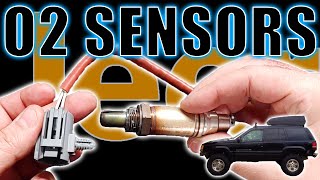
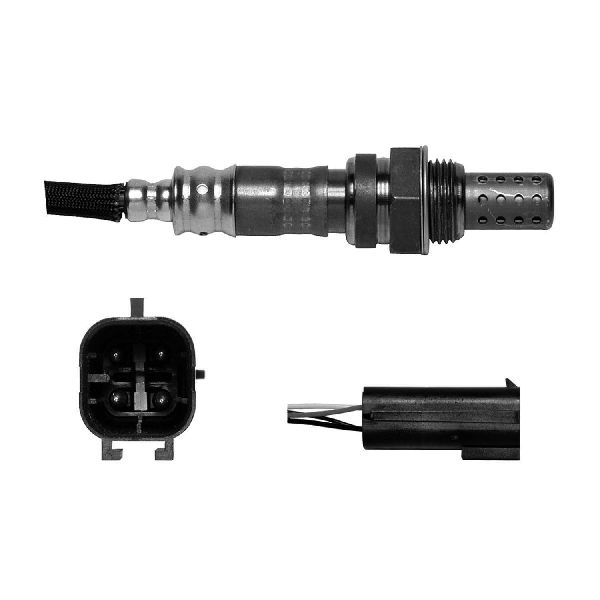
Pro Tip: Always verify the part number and connector type for your specific year, engine, and sensor location (upstream or downstream) before purchasing. A 1995 sensor may have a different plug than a 1997 model.
Cost of Replacing an Oxygen Sensor
| Part/Service | Estimated Cost |
|---|---|
| New Aftermarket O2 Sensor | $34 - $88 |
| New OEM (Mopar) O2 Sensor | $100 - $180+ |
| Shop Labor | $100 - $200 |
| Total (DIY) | $34 - $88 |
| Total (Shop) | $134 - $288 |
Frequently Asked Questions

How many oxygen sensors does my 1993-1998 Grand Cherokee have?
It depends on the year and engine. 1993-1995 (OBD-I) models typically have one or two upstream sensors. 1996-1998 (OBD-II) models have at least two: one upstream (before the catalytic converter) and one downstream (after the catalytic converter). V8 models may have more sensors than the 4.0L I6.
What is the difference between an upstream and a downstream O2 sensor?
The upstream sensor (Bank 1, Sensor 1) is located in the exhaust manifold or pipe before the catalytic converter. It is the primary sensor used for adjusting the air-fuel mixture. The downstream sensor (Bank 1, Sensor 2) is located after the catalytic converter and its main job is to monitor the converter's efficiency.
Do I need a special tool for replacement?
A special O2 sensor socket is highly recommended. It's a deep socket with a slot cut out for the sensor's wire. While a 7/8" or 22mm wrench can work, the sensors are often seized in the exhaust pipe, and the socket provides better leverage and reduces the risk of rounding off the sensor.
🎬 See the specific tool sizes needed for ZJ sensor replacement.Can I just clean my old oxygen sensor?
While some people attempt to clean O2 sensors, it is not a reliable or long-term fix. The sensing element inside can become contaminated or simply wear out. Given the reasonable cost of a new aftermarket sensor, replacement is the best course of action.
Should I replace all the sensors at once?
It's a good practice to replace them in pairs (e.g., both upstream sensors) or all at once, especially on a high-mileage vehicle. O2 sensors age and degrade over time, so if one has failed, the others are likely not performing optimally either.
Helpful Videos
Technical Specifications
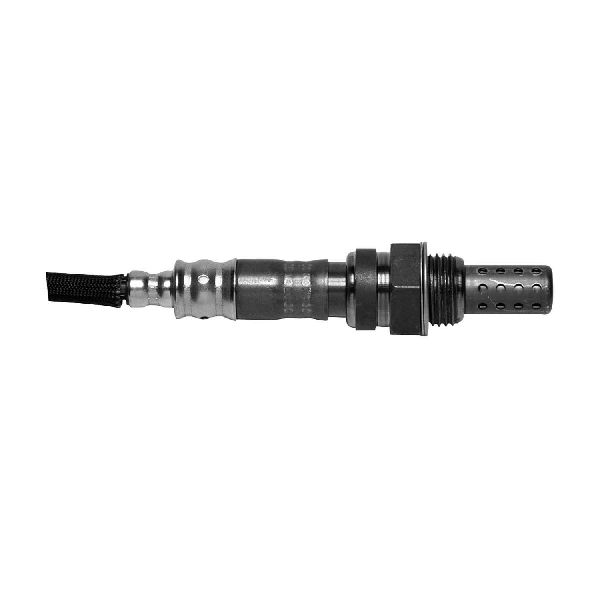
OEM Part Numbers: 56027902 56028603 56041056 56041213 56028301
Varies by year and engine. 1993-1995 models are OBD-I and have one or two upstream sensors. 1996-1998 models are OBD-II and have upstream and downstream sensors. All sensors are heated and use a 4-wire connector, but plug styles may differ. A 7/8 inch (22mm) wrench or O2 sensor socket is required for removal.
We Have This Part in Stock

The information in this article is provided for general reference and educational purposes only. Vehicle specifications, procedures, and part compatibility can vary by production date, trim level, and region. Always consult your vehicle's factory service manual and verify part numbers before purchasing or performing repairs. Safety-critical components such as airbags, seat belts, and braking systems should be installed by a qualified professional.
- Jeep Grand Cherokee: