

Toyota Corolla Oxygen Sensor Guide for 1993-1998 Models
Everything you need to know about choosing the right replacement oxygen sensor for your 7th generation Corolla.
- For best results and to avoid issues, choose a Denso or NGK/NTK brand oxygen sensor, as Denso is the original manufacturer for Toyota.
- A failing oxygen sensor will cause poor gas mileage, rough running, and will make you fail an emissions test.
- Do not ignore a Check Engine Light for an O2 sensor, as it can lead to costly damage to the catalytic converter over time.
- Replacement is a manageable DIY task with the correct O2 sensor socket and some penetrating oil for a stuck sensor.
Understanding Oxygen Sensor Failure in Your Corolla
Oxygen sensors live in a harsh environment, constantly exposed to hot exhaust gases, and they wear out over time. Contaminants like burnt oil or coolant can also cause them to fail prematurely. When your Corolla's O2 sensor starts to go bad, it can no longer send accurate information to the engine's computer. This forces the computer to guess, often resulting in a rich fuel mixture (too much fuel, not enough air), which leads to a variety of noticeable problems.
Symptoms of a Failing Oxygen Sensor
- Check Engine Light: This is the most common sign. The light will turn on when the computer detects a problem with the sensor's signal or its internal heater circuit. Common codes include P0130, P0135, P0171, and P0172.
- Poor Fuel Economy: If the sensor is faulty, the engine often runs rich, wasting fuel and causing you to visit the gas station more often.
- Rough Idle and Misfires: An incorrect air-fuel mixture can make your engine idle unevenly or misfire, causing shaking and stumbling.
- Failed Emissions Test: A bad O2 sensor is a common reason for failing a smog check, as it directly impacts your car's emissions output.
- Rotten Egg Smell: A very rich fuel mixture can overwhelm the catalytic converter, producing a distinct sulfur or rotten egg smell from the exhaust.
Don't Ignore a Bad O2 Sensor
While you can drive with a failing oxygen sensor, it's not recommended for long. Continuously running a rich fuel mixture can damage your expensive catalytic converter, turning a small repair into a very costly one.
Choosing the Right Aftermarket Oxygen Sensor
For 1993-1998 Toyota Corollas, the quality of the oxygen sensor matters. While many brands are available, owner experiences show that sticking with the original equipment manufacturer (OEM) brand is the safest bet for avoiding compatibility issues.
- Top Tier (Recommended): Denso and NGK (also sold as NTK). Denso is the original equipment manufacturer for Toyota, meaning their aftermarket sensors are built to the exact same specifications as the part your car came with. NGK/NTK is another highly respected Japanese brand known for OEM-level quality. Choosing one of these brands is the best way to ensure a first-time fit and proper engine function.
- Mid-Tier: Bosch and Delphi. Bosch is a well-known German brand that invented the oxygen sensor and produces high-quality parts. However, some Toyota purists report that their vehicles can be sensitive and run best on Japanese-made sensors like Denso or NGK. Delphi is another reputable OEM supplier with a solid track record.
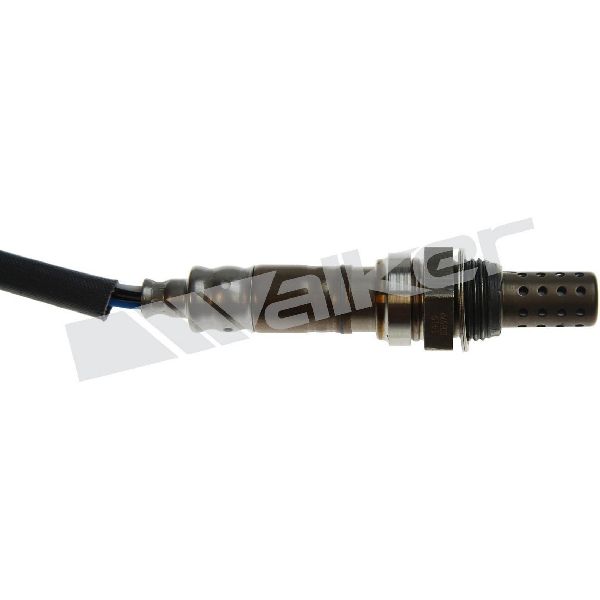
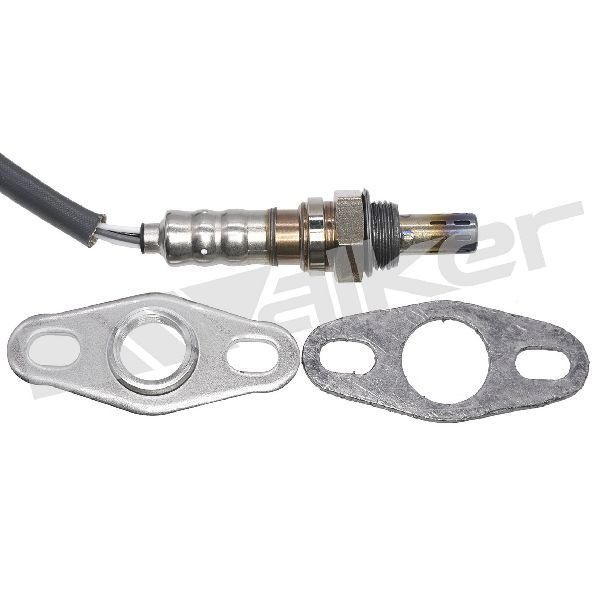
- Economy Tier: Walker Products, Spectra, DriveWire. These brands offer a more budget-friendly option. While they can work, they may not have the same longevity or precise calibration as the top-tier brands.
Pro Tip: Direct-Fit vs. Universal
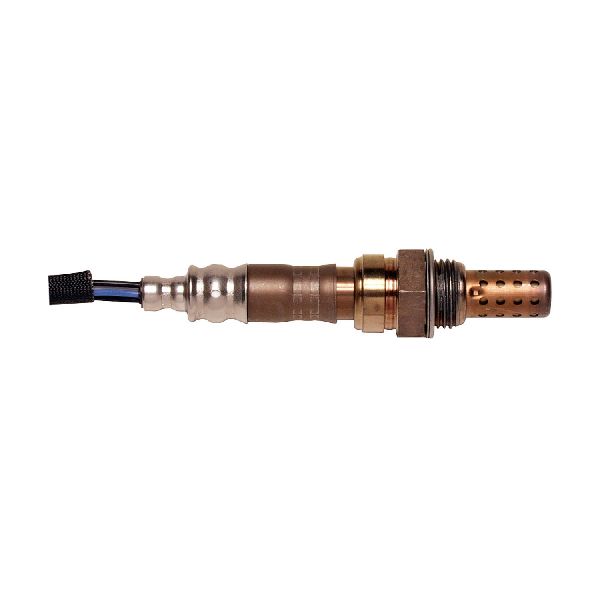
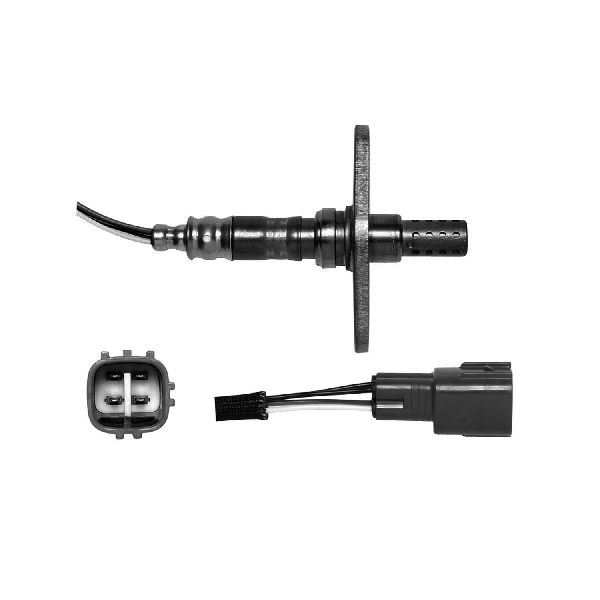
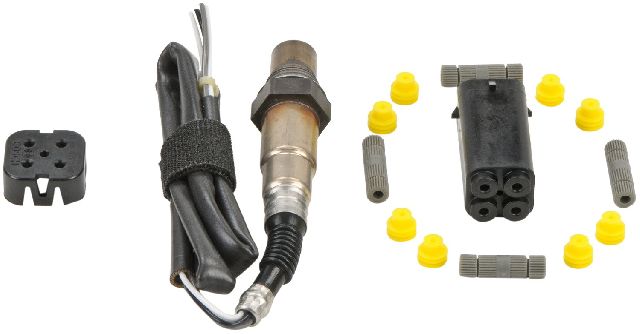
Always choose a "direct-fit" sensor. These come with the correct plug for your Corolla's wiring harness. A "universal" sensor requires you to cut and splice wires, which can lead to connection problems down the road.
Replacement Cost for a 1993-1998 Toyota Corolla
| Part/Service | Estimated Cost |
|---|---|
| New Aftermarket Oxygen Sensor | $22 - $128 |
| New OEM Oxygen Sensor | $150 - $250+ |
| Shop Labor | $80 - $150 |
| Total Professional Replacement | $102 - $278+ |
Frequently Asked Questions
How many oxygen sensors does my 1993-1998 Corolla have?
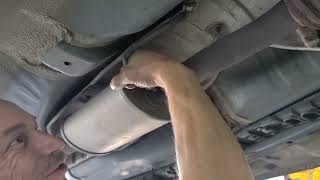
Models from 1993-1995 (OBD-I) typically have one or two sensors. 🎬 Watch: Locating and identifying O2 sensors on a 1995 Corolla Models from 1996-1998 (OBD-II) usually have two: one upstream (before the catalytic converter) and one downstream (after the catalytic converter). The upstream sensor is also called Bank 1, Sensor 1.
Where are the oxygen sensors located?
The upstream sensor (Bank 1, Sensor 1) is located in the exhaust manifold, visible from the top of the engine bay. The downstream sensor (Bank 1, Sensor 2), if equipped, is found under the car, after the catalytic converter.
Can I replace the oxygen sensor myself?
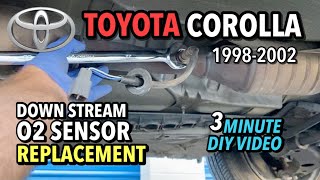
Yes, this is a DIY-friendly job for most home mechanics. The main challenge is often removing the old sensor, which can be seized in the exhaust pipe. Using penetrating oil beforehand and having a special O2 sensor socket makes the job much easier.
🎬 See this step-by-step replacement walkthrough for a 1997 CorollaDo I need to replace both sensors at the same time?
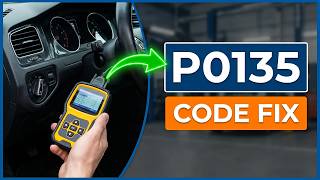
No, you only need to replace the sensor that has failed. A code reader can tell you which specific sensor is causing the Check Engine Light (e.g., P0135 points to the Bank 1, Sensor 1 heater circuit). 🎬 Watch: How to diagnose and fix a P0135 heater circuit code However, since they have a similar lifespan, if one fails, the other may not be far behind.
Are there any recalls for the oxygen sensor on my Corolla?
No, searches of the National Highway Traffic Safety Administration (NHTSA) database did not find any oxygen sensor-specific recalls for the 1993-1998 Toyota Corolla.
Helpful Videos
Technical Specifications
OEM Part Numbers: 89465-19545 89465-19555 89465-19355 89465-19535 89465-02390
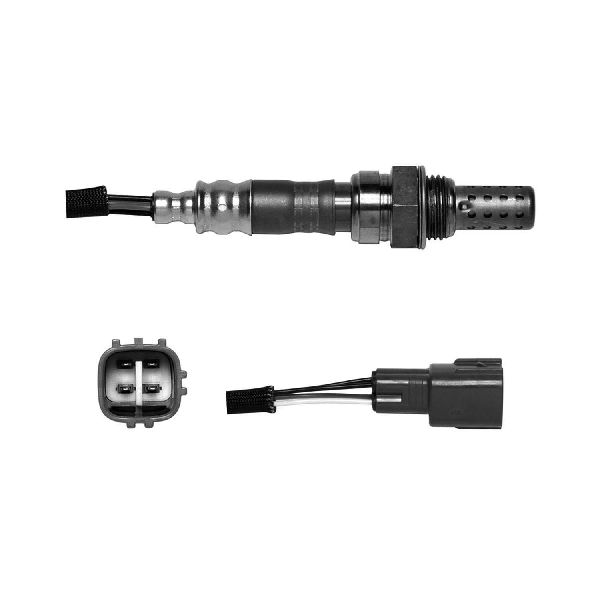
Corollas in this generation use heated, 4-wire, direct-fit oxygen sensors. Pre-1996 models may have different configurations. Always verify fitment for Federal or California emissions specifications for your specific year.
We Have This Part in Stock

The information in this article is provided for general reference and educational purposes only. Vehicle specifications, procedures, and part compatibility can vary by production date, trim level, and region. Always consult your vehicle's factory service manual and verify part numbers before purchasing or performing repairs. Safety-critical components such as airbags, seat belts, and braking systems should be installed by a qualified professional.
- Toyota Corolla:
- 🎬 Helpful Videos
- 🛍️ Shop This Part
- Understanding Oxygen Sensor Failure in Your Corolla
- Symptoms of a Failing Oxygen Sensor
- Don't Ignore a Bad O2 Sensor
- Choosing the Right Aftermarket Oxygen Sensor
- Pro Tip: Direct-Fit vs. Universal
- Replacement Cost for a 1993-1998 Toyota Corolla
- Frequently Asked Questions
- 🎟️ Get 5% Off