

Toyota Supra 1993-1998 Oxygen Sensor: A Comprehensive Guide
Keep your Supra's 2JZ engine running perfectly with the right new aftermarket oxygen sensor.
- Denso is the original equipment manufacturer (OEM) for Toyota; choosing Denso or NGK/NTK ensures the highest compatibility.
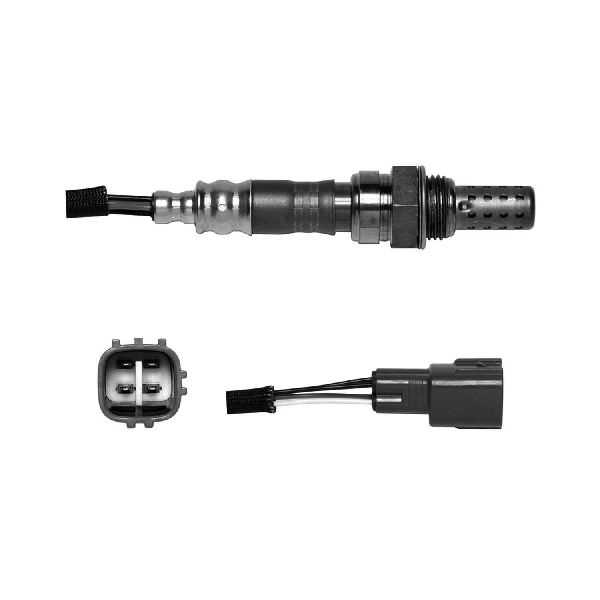
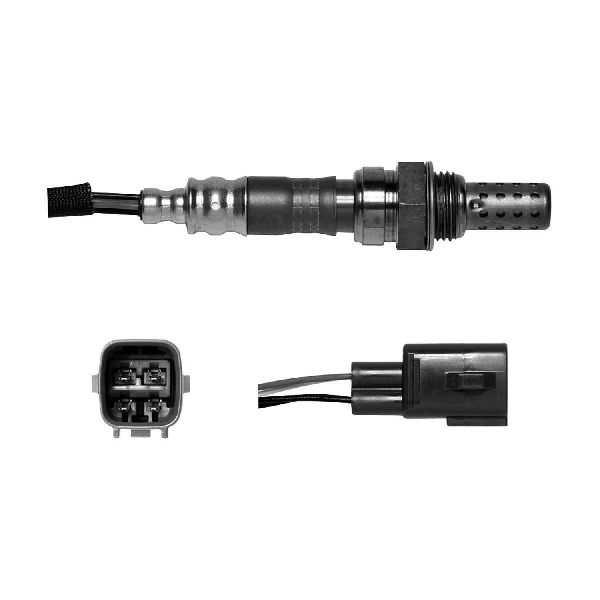
- Avoid universal sensors that require cutting wires; always buy a direct-fit model with the correct connector.
- Your Supra may have one to four sensors depending on the year (pre- or post-1996) and if it's a turbo or non-turbo model.
- Replacing a failing oxygen sensor is crucial for restoring fuel economy, engine performance, and passing emissions tests.
Understanding Oxygen Sensor Failure in Your Supra
Oxygen sensors don't last forever. Over time, they can become contaminated by carbon buildup, antifreeze, or other substances, or simply fail from age and high mileage. When an O2 sensor starts to fail, it sends incorrect information to your Supra's ECU. This can lead to a range of problems, from poor performance to increased fuel consumption.
Key Symptoms of a Bad Oxygen Sensor:
- Check Engine Light: This is the most common sign. An OBD-II scanner will likely show codes between P0130 and P0167.
- Poor Fuel Economy: If you're filling up your tank more often, a bad O2 sensor could be the cause.
- Rough Idle and Hesitation: An incorrect air-fuel mixture can cause your engine to run rough, hesitate during acceleration, or even stall.
- Failed Emissions Test: A faulty sensor can cause your Supra to fail a smog check due to high emissions.
- Rotten Egg Smell: This indicates unburned fuel is overheating the catalytic converter, a problem often linked to a bad O2 sensor.
How Many O2 Sensors Does a 1993-1998 Supra Have?
The number of oxygen sensors depends on your specific model. Supras from this era are transitioning from OBD-I to OBD-II standards (which became mandatory in 1996).
- Pre-1996 (OBD-I): These models typically have one or two sensors located before the catalytic converter (upstream).
- 1996-1998 (OBD-II): These models have sensors both before the catalytic converter (upstream) and after it (downstream). The upstream sensor controls the air-fuel mixture, while the downstream sensor monitors the catalytic converter's efficiency.
Pro Tip: Always verify the number and location of sensors on your specific vehicle before ordering. Turbo (2JZ-GTE) and non-turbo (2JZ-GE) models may have different exhaust configurations.
Choosing the Right Aftermarket Oxygen Sensor
When it comes to aftermarket parts for a classic like the Supra, quality matters. For electronic sensors, sticking with reputable brands is key to avoiding performance issues.
Brand Quality Tiers for Toyota Supra
- Best Tier (OEM or Equivalent): Denso is widely recognized as the original equipment manufacturer (OEM) for Toyota. Choosing a Denso sensor is the closest you can get to buying the part from a Toyota dealership, ensuring perfect fit and function. NGK (also known as NTK for their sensors) is another top-tier choice, highly respected for its quality and reliability in Japanese vehicles.
- Good Tier (Reputable Aftermarket): Bosch and Delphi are major OEM suppliers for many car brands and produce reliable sensors. While some owners prefer to stick with Japanese brands like Denso or NGK for their Toyota, a direct-fit sensor from Bosch or Delphi is a solid, dependable choice.
- Economy Tier (Use with Caution): Brands like DriveWire, Spectra, and Walker Products fall into the budget-friendly category. While they offer significant cost savings, their long-term reliability and precision may not match the higher-tier brands. For a performance vehicle like the Supra, it's generally recommended to invest in a better-quality sensor to ensure the engine's computer receives accurate data.
A Note on "Universal" Sensors: Avoid universal oxygen sensors that require you to cut and splice wires. The wiring and connectors on modern sensors are sensitive, and improper connections can lead to incorrect readings, defeating the purpose of the replacement. Always choose a "direct-fit" sensor with the correct plug for your Supra.
Known Issues, Recalls, and TSBs
Searches for the 1993-1998 Toyota Supra did not reveal any specific recalls or Technical Service Bulletins (TSBs) from the NHTSA related to the oxygen sensors. Any issues that arise are typically due to normal wear and tear from age and mileage.
Cost Comparison for Oxygen Sensor Replacement
| Part Type | Estimated Cost |
|---|---|
| New Aftermarket | $25 - $176 |
| New OEM (Toyota/Denso) | $115 - $175+ |
| Shop Labor | $75 - $150 |
Frequently Asked Questions
Is it hard to replace a Supra's oxygen sensor?
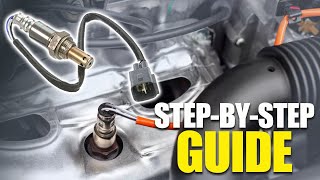
No, it's a relatively easy job for a DIY mechanic. 🎬 Watch this step-by-step guide on how to change an oxygen sensor. The sensor simply screws into the exhaust pipe and has an electrical plug. The main challenge can be accessing it and removing a sensor that is seized from rust and heat. Using a special O2 sensor socket and penetrating oil is highly recommended. The engine and exhaust must be cool before you begin.
Should I replace all oxygen sensors at the same time?
It's a good practice, especially on higher-mileage vehicles. O2 sensors degrade over time, so if one has failed, the others are likely nearing the end of their service life. Replacing them in pairs (e.g., both upstream sensors) ensures balanced and accurate readings.
What's the difference between an upstream and downstream sensor?
The upstream sensor (before the catalytic converter) is the primary sensor that the ECU uses to adjust the air-fuel ratio. The downstream sensor (after the catalytic converter) mainly monitors the converter's health. A failing upstream sensor has a much bigger impact on how your car runs.
Can I use a Bosch sensor in my Toyota?
Yes, you can. While many Supra enthusiasts prefer to use Denso or NGK/NTK parts because they are the original suppliers for Toyota, a high-quality, direct-fit sensor from a reputable brand like Bosch will function correctly. The most important factor is that it is a direct-fit model designed for your vehicle, not a universal one.
Helpful Videos
Technical Specifications
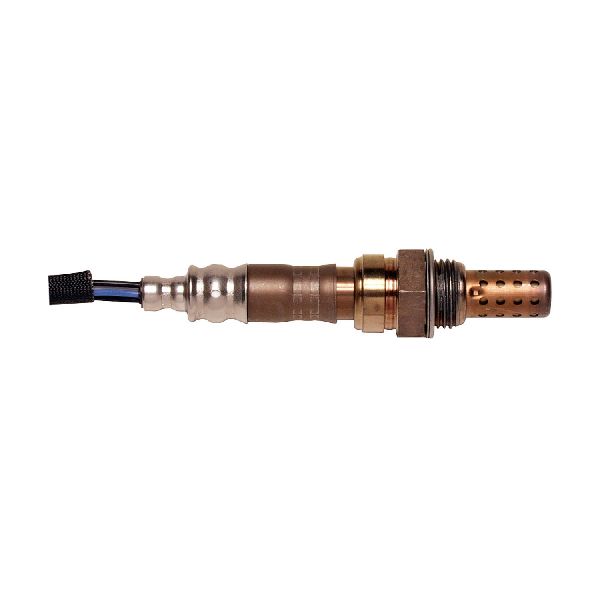
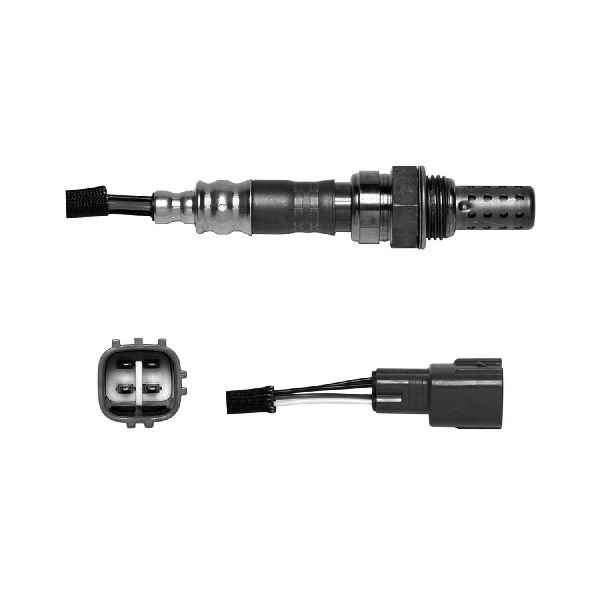
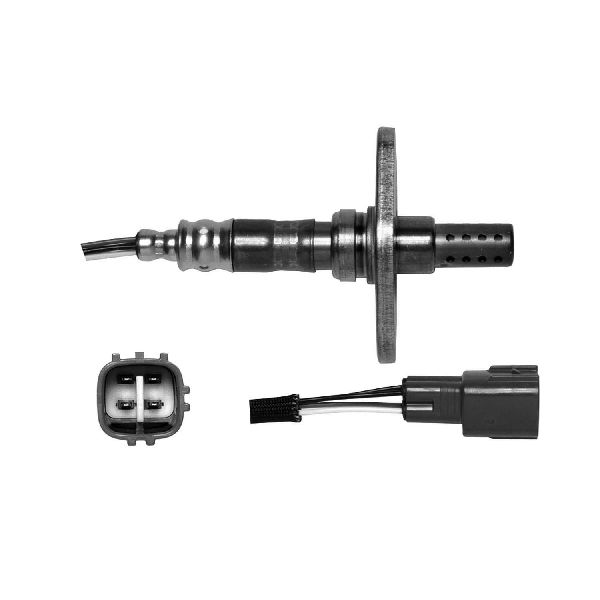
OEM Part Numbers: 89465-19145 89465-19315 89465-19345 89465-14230 89465-14220 89465-14120 89465-19185 89465-19605 89465-19625 89465-19316 89465-19155 89465-19325 89465-19455 89465-19695 89465-14140 89465-19595 89465-14200
Varies by location (upstream/downstream) and engine type (2JZ-GE or 2JZ-GTE). Sensors are typically heated, 4-wire, narrow-band types with specific-fit connectors.
We Have This Part in Stock


The information in this article is provided for general reference and educational purposes only. Vehicle specifications, procedures, and part compatibility can vary by production date, trim level, and region. Always consult your vehicle's factory service manual and verify part numbers before purchasing or performing repairs. Safety-critical components such as airbags, seat belts, and braking systems should be installed by a qualified professional.
- Toyota Supra:
- 🎬 Helpful Videos
- 🛍️ Shop This Part
- Understanding Oxygen Sensor Failure in Your Supra
- Key Symptoms of a Bad Oxygen Sensor:
- How Many O2 Sensors Does a 1993-1998 Supra Have?
- Choosing the Right Aftermarket Oxygen Sensor
- Brand Quality Tiers for Toyota Supra
- Known Issues, Recalls, and TSBs
- Cost Comparison for Oxygen Sensor Replacement
- Frequently Asked Questions
- 🎟️ Get 5% Off