

Toyota T100 Oxygen Sensor Guide (1993-1998): Symptoms, Brands, and Replacement
Everything you need to know about choosing and replacing the oxygen sensors on your 1993-1998 Toyota T100.
- A bad oxygen sensor will trigger the Check Engine Light and cause poor fuel economy and rough running.
- Do not ignore a failing O2 sensor, as it can lead to costly catalytic converter damage.
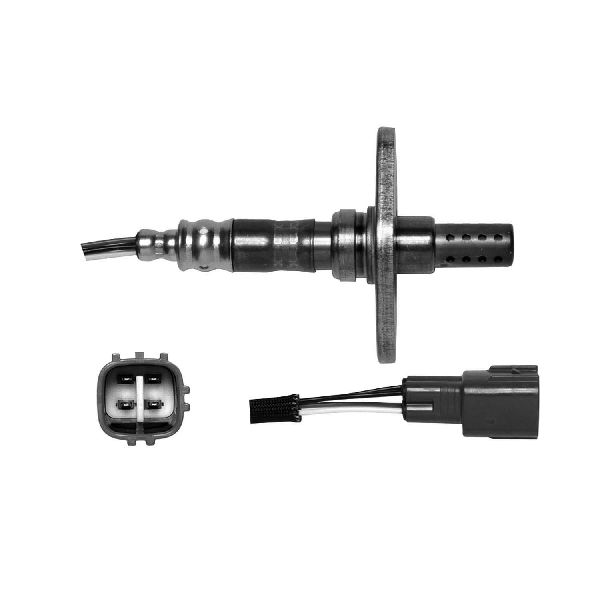
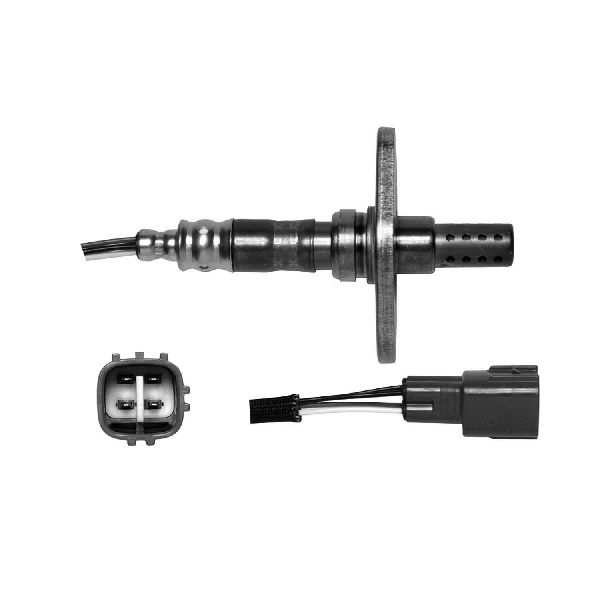
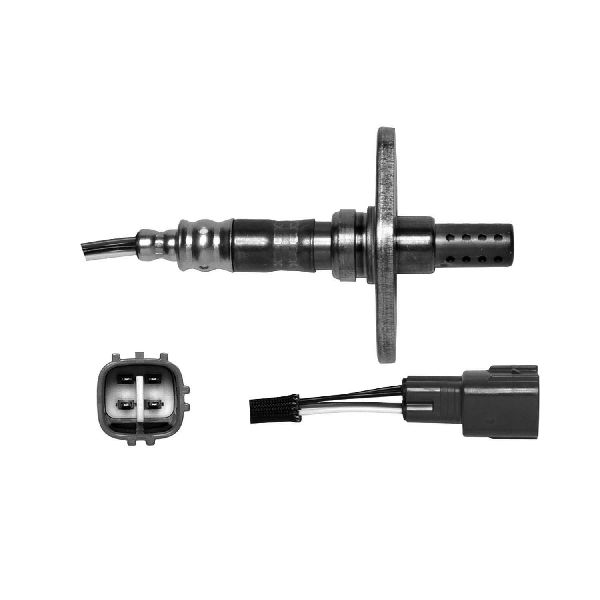
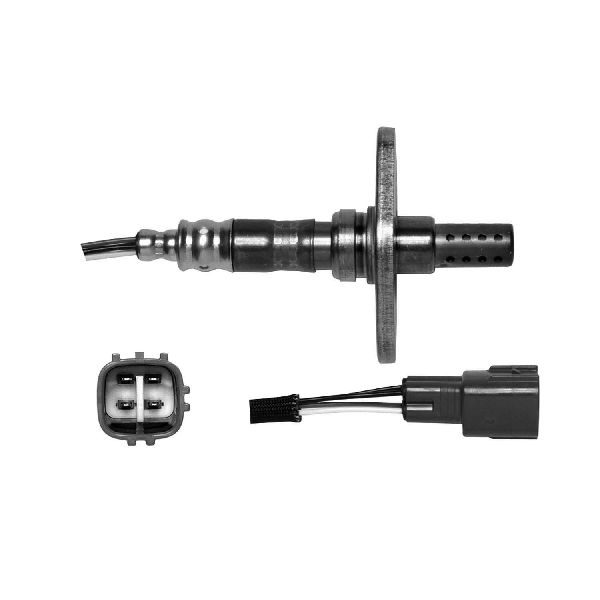
- For best results and reliability, choose a Denso brand direct-fit sensor, as they are the original equipment manufacturer for Toyota.
- Replacement is a manageable DIY task, but be sure to use penetrating oil on the old sensor's nuts before removal to avoid breaking the exhaust studs.
Is Your T100's Oxygen Sensor Failing?
An oxygen sensor doesn't last forever. Contaminants like oil ash and coolant, along with age and high temperatures, can cause it to fail. When it does, your truck's engine computer gets bad information, leading to a poor air-fuel mixture. This can cause a variety of noticeable problems.
Key Symptoms of a Bad O2 Sensor:
- Check Engine Light: This is the most common sign. Codes like P0135 or P0141 often point directly to a faulty O2 sensor heater circuit.
- Poor Fuel Economy: If you're filling up your gas tank more often, a bad sensor could be making your engine run rich (too much fuel).
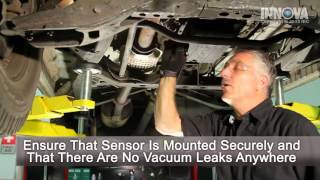
- Rough Idle and Poor Performance: Your T100 might idle unevenly, hesitate, or feel sluggish during acceleration. 🎬 Watch: How to diagnose a misfire caused by a faulty sensor.
- Failed Emissions Test: A bad O2 sensor is a common reason for failing a smog check.
- Rotten Egg Smell: A strong sulfur smell from the exhaust can indicate that unburned fuel is overheating the catalytic converter, a problem often caused by a bad O2 sensor.
Don't Ignore a Bad O2 Sensor
While you can technically drive with a failing oxygen sensor, it's not recommended. Continuing to drive can lead to more expensive problems, most notably damage to your catalytic converter, which is far more costly to replace than an O2 sensor.
Choosing the Right Aftermarket Oxygen Sensor
When it comes to aftermarket oxygen sensors for a Toyota T100, not all brands are created equal. For Toyota vehicles, the original equipment manufacturer (OEM) is often the most reliable choice.
Brand Quality Tiers
- Tier 1 (OEM Equivalent): Denso is widely recognized as the original equipment manufacturer for Toyota. Choosing a Denso sensor is the closest you can get to buying the part from a Toyota dealership. They are designed for a direct fit and proper communication with your truck's computer.
- Tier 2 (High-Quality Aftermarket): Brands like NGK (also known as NTK) and Bosch are reputable manufacturers that produce quality sensors. While generally reliable, some Toyota owners in forums report occasional issues with Bosch sensors throwing codes, so Denso is often preferred.
- Tier 3 (Budget-Friendly): Brands like Delphi, Spectra, and Walker Products offer more affordable options. These can be a good choice if budget is the primary concern, but they may not have the same longevity or perfect compatibility as OEM-equivalent brands.
Pro Tip: Always choose a "direct-fit" sensor with the correct electrical connector. Universal sensors that require you to splice wires are not recommended, as a poor connection can cause performance issues.
Cost of Replacing a Toyota T100 Oxygen Sensor
| Part Type | Estimated Cost |
|---|---|
| New OEM | $120 - $200 |
| New Aftermarket | $25 - $134 |
| Shop Labor | $50 - $200 |
Frequently Asked Questions (FAQ)
How many oxygen sensors does my T100 have?
Most 1993-1998 Toyota T100s have at least one upstream oxygen sensor (before the catalytic converter). Some models, particularly those sold in California, will have a second downstream sensor (after the catalytic converter). The diagnostic code from a scanner will tell you which sensor needs replacement (e.g., Bank 1 Sensor 1 is the upstream sensor).
How difficult is it to replace an O2 sensor?
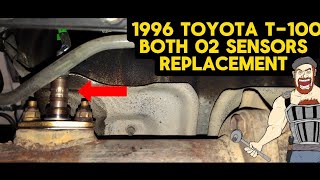
Replacing an O2 sensor is a feasible DIY job for many owners. The main challenge is often the sensor being seized in the exhaust pipe due to rust. Soaking the sensor with penetrating oil a day or two before attempting removal is highly recommended. You will also need a special oxygen sensor socket that allows the wire to pass through. The sensors on the T100 are typically held in by two 12mm nuts.
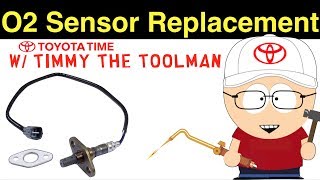
🎬 Follow this step-by-step tutorial to replace both of your O2 sensors.What are common trouble codes for a bad O2 sensor?
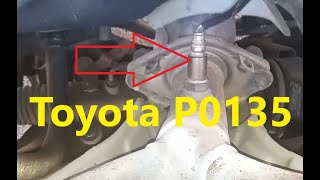
Common codes include P0135 (Bank 1, Sensor 1 Heater Circuit Malfunction) and P0141 (Bank 1, Sensor 2 Heater Circuit Malfunction). These codes specifically point to a problem with the internal heater that helps the sensor warm up quickly. This is the most common failure mode.
🎬 See this breakdown of causes and fixes for the P0135 code.Are there any recalls for the T100 oxygen sensor?
No, there are no specific recalls for the oxygen sensor on the 1993-1998 Toyota T100 according to NHTSA data. While Toyota has issued service campaigns for oxygen sensors on other models, none apply to this T100 generation.
Helpful Videos

Technical Specifications
OEM Part Numbers: 89465-39835 89465-39735 89465-39605 89465-39785 89465-39435
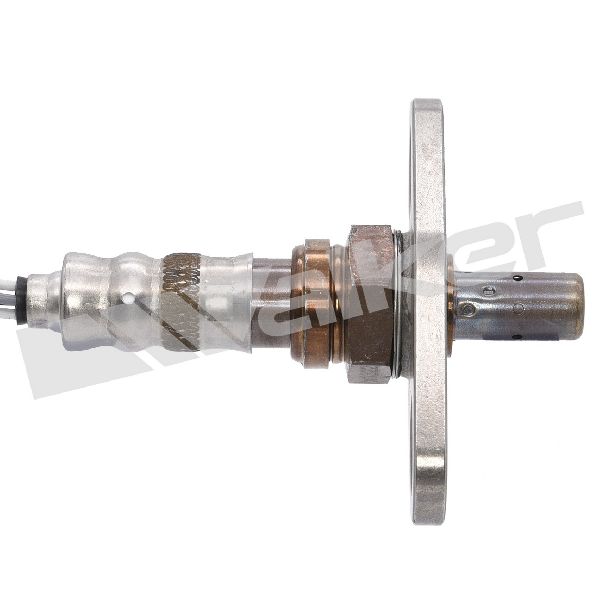
Configuration varies by engine and emissions (Federal vs. California). Sensors are typically a 2-bolt flange mount style, not a screw-in type. Always verify the upstream or downstream position and connector type before ordering.
We Have This Part in Stock

The information in this article is provided for general reference and educational purposes only. Vehicle specifications, procedures, and part compatibility can vary by production date, trim level, and region. Always consult your vehicle's factory service manual and verify part numbers before purchasing or performing repairs. Safety-critical components such as airbags, seat belts, and braking systems should be installed by a qualified professional.
- Toyota T100: