

Choosing the Right Spark Plugs for Your 1993-1998 Toyota T100
Keep your T100's engine running strong by understanding which spark plugs are best for your truck.
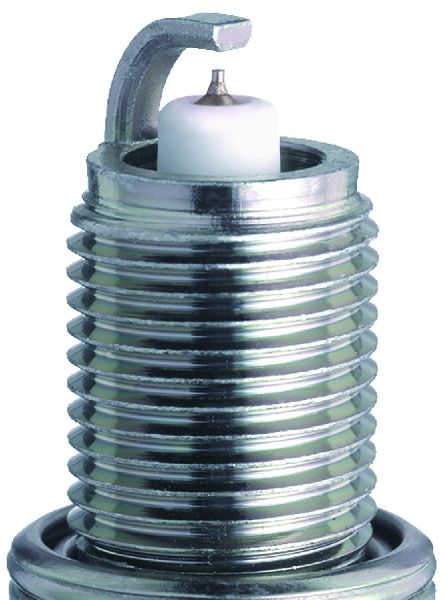
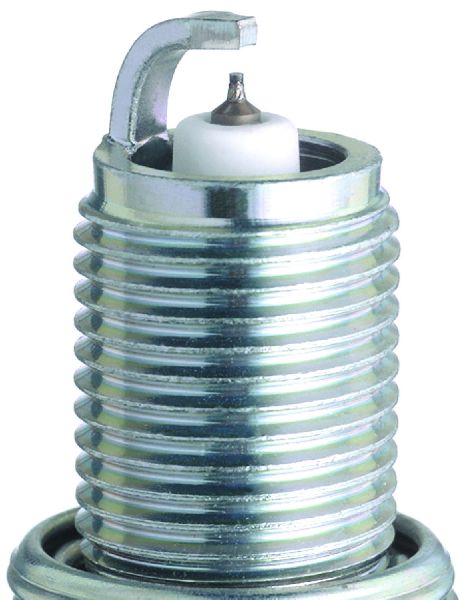
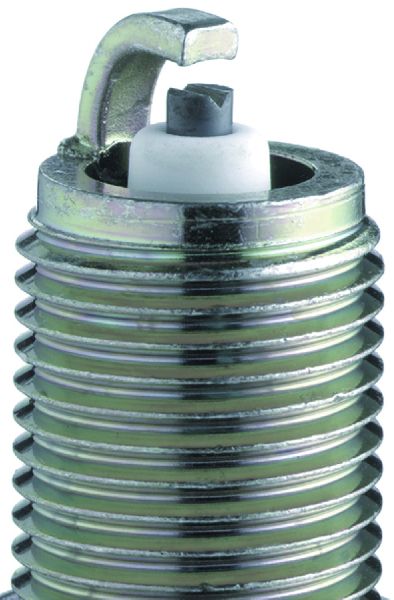
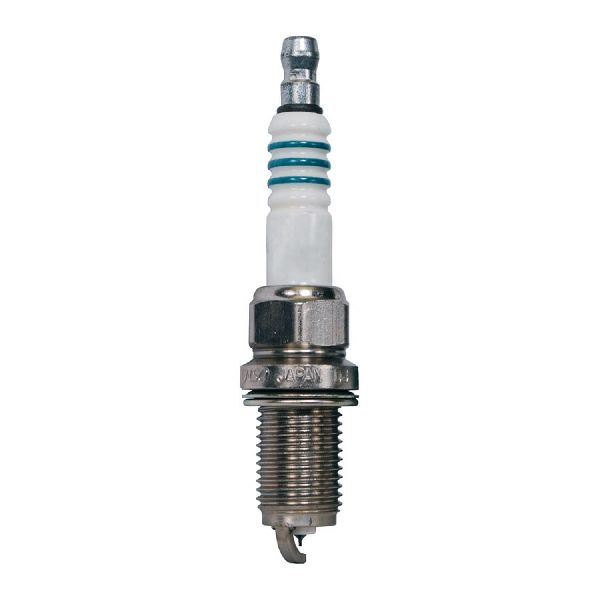
- Stick with OEM brands like Denso or NGK for best results; specifically, the dual-electrode type is recommended for the V6.
- The job is easier on the 4-cylinder engine than the V6, but both are DIY-friendly.
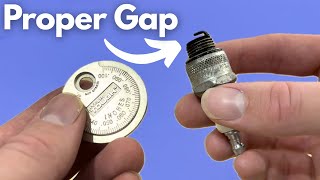
- Always check the spark plug gap before installation; it should be 0.043" for the 3.4L V6.
- While you're replacing the plugs, inspect the spark plug wires and consider replacing them if they are original or worn.
Signs of Failing Spark Plugs in a T100
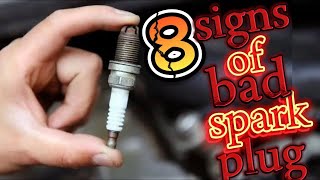
When your spark plugs are nearing the end of their life, your truck will usually let you know. You might notice one or more of these symptoms:
- Rough Idling: The engine may feel shaky or uneven when you're stopped.
- Engine Misfires: You might feel a hesitation or stumble during acceleration. This can sometimes trigger the Check Engine Light with codes like P0300 through P0306.
- Reduced Fuel Economy: If you're filling up the tank more often than usual, worn plugs could be the culprit.
- Poor Acceleration: The truck may feel sluggish or slow to respond when you press the gas pedal.
- Difficulty Starting: Weak spark can make it harder for the engine to turn over, especially when cold.
In some cases, you might find oil in the spark plug tubes when you go to change them. This is a common issue caused by a failing valve cover gasket or spark plug tube seals, and it should be addressed to prevent the new plugs from fouling.
Choosing the Best Aftermarket Spark Plugs
For the 1993-1998 Toyota T100, sticking close to the original equipment design is your best bet for reliability. These engines were not designed for fancy, expensive plugs. The original plugs were a dual-electrode design, and it's highly recommended to use a similar style for replacement.
Brand Recommendations
| Brand Tier | Brands | Recommendation |
|---|---|---|
| OEM / Best Bet | Denso, NGK | Denso and NGK were the original suppliers for Toyota. Using their standard or dual-electrode copper or platinum plugs is the most reliable choice. They offer excellent performance and longevity without being expensive. Many owners and mechanics strongly recommend sticking with these two brands. |
| Reputable Aftermarket | Autolite | Autolite offers compatible plugs that are a decent alternative if Denso or NGK are not available, but the Japanese brands are generally preferred by T100 specialists. |
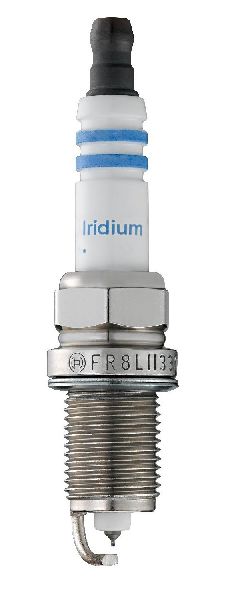
| Use with Caution | Bosch, Champion, Accel | While these brands make quality parts, some forums report that their plugs, especially platinum +2 or +4 types, can cause performance issues in Toyota engines not designed for them. It's generally best to avoid them for this specific truck unless you are certain it is a direct OEM-style replacement. |
Pro Tip: The 3.4L 5VZ-FE V6 engine is known to be sensitive to the type of spark plug used. Always use the recommended dual-electrode Denso (K16TR11) or NGK (BKR5EKB-11) plugs to avoid potential misfire issues.
Known Issues, Recalls, and TSBs
As of early 2026, there are no specific recalls or technical service bulletins (TSBs) from the NHTSA related to spark plugs for the 1993-1998 Toyota T100. Any issues you encounter will likely be due to normal wear and tear or related component failures like spark plug wires or ignition coils.
Frequently Asked Questions (FAQ)
How often should I change the spark plugs on my T100?
For standard copper or platinum plugs, a good interval is every 30,000 to 40,000 miles. This ensures the engine continues to run at its best and prevents issues from worn-out plugs.
What is the correct spark plug gap for a Toyota T100?
The correct gap for the popular 3.4L V6 engine is 0.043 inches (1.1mm). While many plugs come pre-gapped, it is crucial to check and adjust each one before installation. Always verify the correct gap for your specific engine (2.7L, 3.0L, or 3.4L).
Is it hard to change the spark plugs on a T100?
It depends on your engine. On the 4-cylinder (2.7L 3RZ-FE), the job is very easy with direct access to all plugs. On the V6 engines (3.0L 3VZ-E and 3.4L 5VZ-FE), the passenger side is straightforward, but the driver's side can be more difficult due to the intake manifold and other components being in the way. However, it is still a very manageable DIY job for most home mechanics.
Should I use anti-seize on the new spark plugs?
This is a debated topic. NGK and Denso plugs often have a special nickel plating that prevents seizing, and they recommend not using anti-seize as it can lead to over-tightening. If you do use it, apply only a very small amount to the threads, avoiding the electrode, and be careful not to overtighten the plug.
Helpful Videos
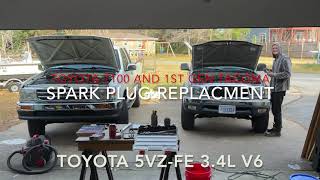
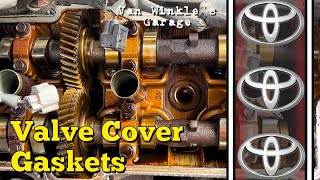
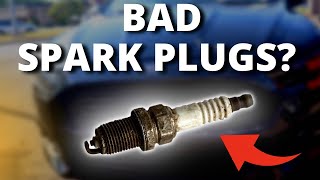
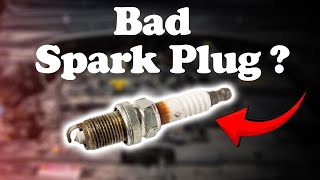
Technical Specifications
OEM Part Numbers: 90919-01192 90919-01176 90080-91084
Engine Type: 2.7L 3RZ-FE I4, 3.0L 3VZ-E V6, 3.4L 5VZ-FE V6. Plug Type Recommendation: Dual-electrode for V6 (Denso K16TR11, NGK BKR5EKB-11). Spark Plug Gap (3.4L V6): 0.043 inches. Torque Spec (3.4L V6): 13 ft-lbs.
We Have This Part in Stock


The information in this article is provided for general reference and educational purposes only. Vehicle specifications, procedures, and part compatibility can vary by production date, trim level, and region. Always consult your vehicle's factory service manual and verify part numbers before purchasing or performing repairs. Safety-critical components such as airbags, seat belts, and braking systems should be installed by a qualified professional.
- Toyota T100: