

A Practical Guide to Engine Mounts for the 1993-1998 Volkswagen Jetta
Experiencing shaking or hearing clunks in your Mk3 Jetta? Your engine mounts might be the culprit.
- Symptoms like heavy vibration at idle and clunking on acceleration are the most common signs of failure.
- For a daily driver, choose OEM-quality aftermarket brands like Corteco or CRP for longevity and a smooth ride.
- It is highly recommended to replace all three mounts as a set to ensure a lasting repair.
- This is a DIY-friendly job for those with a floor jack and basic tools, which can save hundreds in labor costs.
Is Your Jetta Shaking, Rattling, and Clunking?
If your Mk3 Jetta feels more like a paint shaker than a car, you likely have a worn-out engine mount. These parts are made of rubber and metal, and over 20+ years, the rubber breaks down. When it fails, the engine can move around too much, causing vibrations and noises. This is a very common issue on older Volkswagens.
Common Symptoms of a Bad Engine Mount
- Excessive Vibration: You'll feel a strong vibration in the steering wheel, floor, or seats, especially when the car is idling or just starting to move.
- Clunking or Banging Noises: Loud clunks or thuds from the engine bay when you accelerate, brake hard, or put the car in gear.
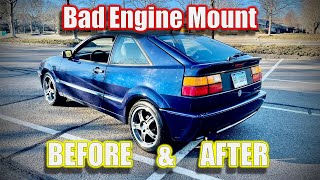
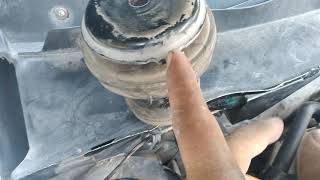
- Engine Movement: If you open the hood and have a friend gently rev the engine while in park, you might see the engine lurch or jump more than an inch or two. 🎬 Watch: See real-world examples of bad engine mount symptoms.
- Rough Starts: A noticeable jolt when you start or turn off the engine.
Choosing the Right Aftermarket Mount
When shopping for new engine mounts, you'll find a few quality tiers. For a daily-driven car, choosing a quality part is important to avoid replacing it again in a year or two.
Tier 1: OEM-Quality Aftermarket
These brands are often the original suppliers to Volkswagen or specialize in high-quality parts for German cars. They offer the best fit and longest lifespan, closest to the original factory part.
- Corteco: Known for using advanced rubber compounds that provide excellent vibration control, making them a top choice for European cars.
- CRP (Rein): A trusted name in European auto parts, offering parts that meet or exceed OEM specifications.
- Vaico: A German brand that provides a wide range of OEM-quality replacement parts.
Tier 2: Standard Aftermarket
These brands offer a good balance of price and quality. They are a reliable choice for budget-conscious repairs.
- Westar: A long-standing manufacturer trusted by many mechanics for its durable, direct-fit parts.
- Pioneer Cable: Offers a range of aftermarket parts that serve as a functional replacement for the original components.
Tier 3: Budget-Friendly
These brands are the most affordable but may have a shorter lifespan. They can be a solution to get the car back on the road, but some owners report increased vibration or earlier failure compared to higher-tier options.
- Anchor: A widely available brand offering a huge range of affordable mounts.
- DEA: Another budget-focused brand that provides a direct-fit replacement.
Cost of Replacing Your Jetta's Engine Mounts
The cost depends on whether you do the job yourself or take it to a shop. Replacing the mounts is a manageable DIY project for those with the right tools, including a jack to support the engine.
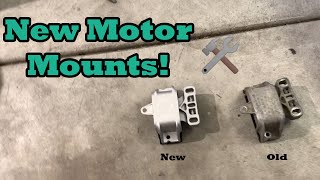
🎬 See this walkthrough for installing a full set of mounts.| Part/Service | Estimated Cost |
|---|---|
| New Aftermarket Mounts (Full Set) | $100 - $225 |
| New OEM Mounts (Full Set) | $300 - $750+ |
| Shop Labor | $250 - $500 |
| Total Professional Job (Aftermarket Parts) | $350 - $725 |
Frequently Asked Questions
How many engine mounts does my 1993-1998 Jetta have?
Your Mk3 Jetta has a total of three main mounts: one at the front, one at the rear, and one for the transmission. They are often sold as a complete kit.
🎬 Watch: A detailed guide to replacing the front engine mount.Can I just replace the one broken mount?
You can, but it's not recommended. The mounts wear out together. When one fails, it puts extra strain on the others, causing them to fail sooner. For the best results and a lasting repair, you should replace all three at the same time.
What about polyurethane or 'solid' performance mounts?
Performance mounts are designed for racing. They use very stiff materials like polyurethane or Delrin to prevent engine movement, which helps put more power to the ground. However, they transfer nearly all engine vibration into the car, making for a very rough and noisy ride. For a daily driver, stick with high-quality rubber mounts.
What happens if I don't replace a bad engine mount?
Ignoring a bad mount will lead to a very uncomfortable ride with lots of noise and vibration. In severe cases, the excessive engine movement can put stress on other parts like exhaust pipes, coolant hoses, and driveshafts, potentially leading to more expensive repairs down the road.
Helpful Videos
Technical Specifications
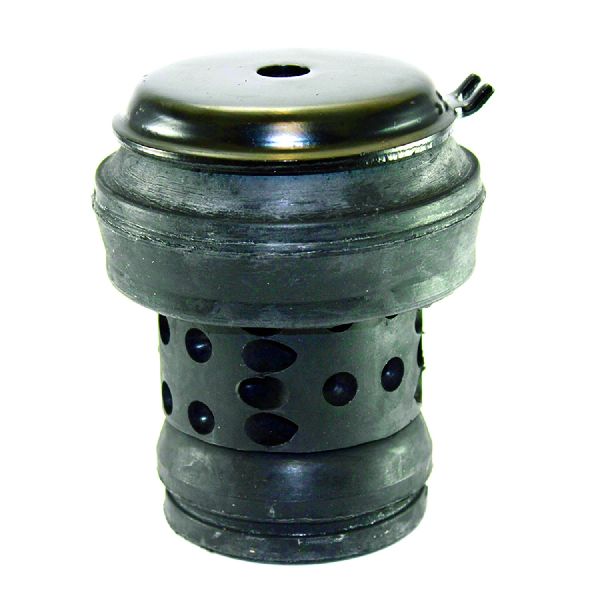
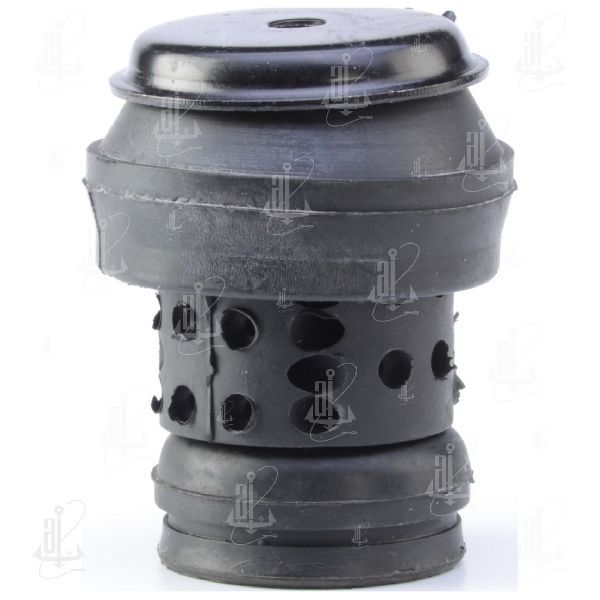
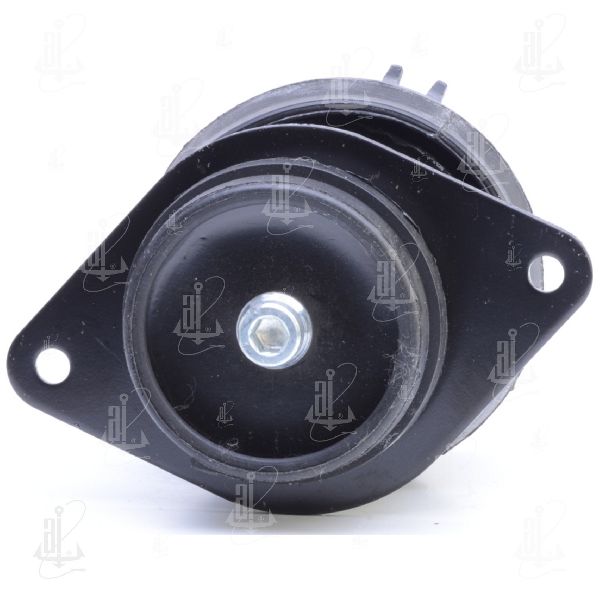
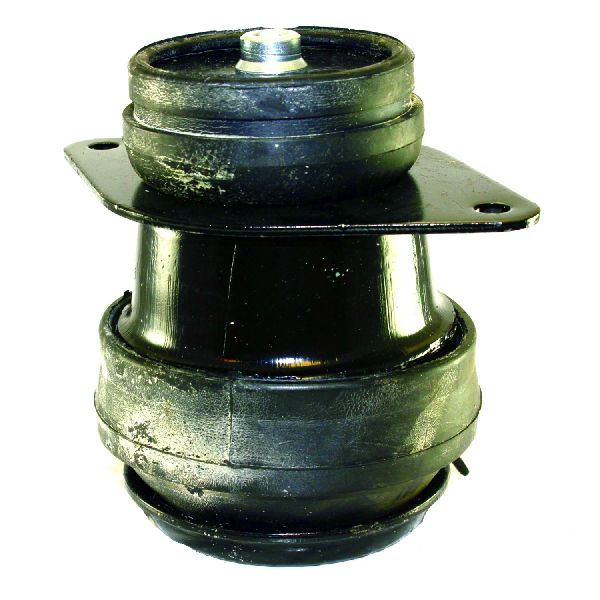
OEM Part Numbers: 1H0199609B 1H0199609E 1H0199609F 1H0199609G 1H0199609J 1H0199609K 357199609 1H0199262L 357199402B
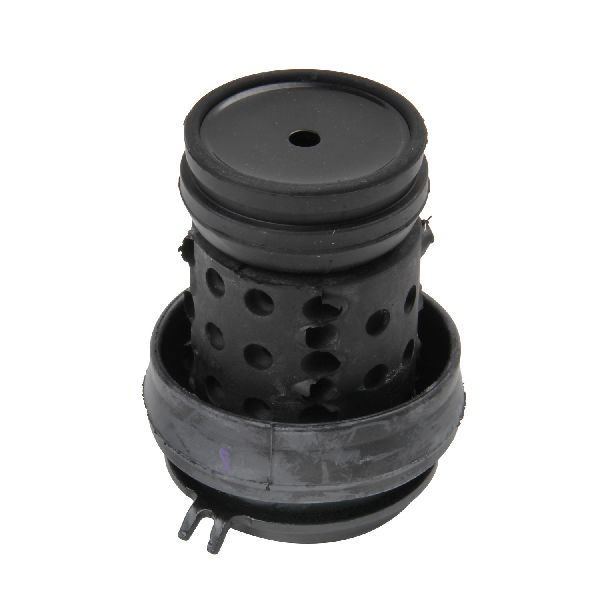
The 1993-1998 Jetta uses a three-piece engine mounting system consisting of a front mount, a rear mount, and a transmission mount. Mounts are specific to engine type (e.g., 2.0L, 1.9L Diesel, VR6) and sometimes transmission type (manual vs. automatic).
We Have This Part in Stock


The information in this article is provided for general reference and educational purposes only. Vehicle specifications, procedures, and part compatibility can vary by production date, trim level, and region. Always consult your vehicle's factory service manual and verify part numbers before purchasing or performing repairs. Safety-critical components such as airbags, seat belts, and braking systems should be installed by a qualified professional.
- Volkswagen Jetta:
- 🎬 Helpful Videos
- 🛍️ Shop This Part
- Is Your Jetta Shaking, Rattling, and Clunking?
- Common Symptoms of a Bad Engine Mount
- Choosing the Right Aftermarket Mount
- Tier 1: OEM-Quality Aftermarket
- Tier 2: Standard Aftermarket
- Tier 3: Budget-Friendly
- Cost of Replacing Your Jetta's Engine Mounts
- Frequently Asked Questions
- 🎟️ Get 5% Off