

Volkswagen Passat 1993-1998 Engine Crankcase Vent Valve Guide
Understanding the crankcase vent valve in your B4 Passat is key to preventing oil leaks and ensuring smooth engine operation.
- A failing crankcase vent valve is a common cause of oil leaks and rough idling on 1993-1998 Passats.
- Replacement is a straightforward DIY job for most owners and can prevent more expensive repairs.
- Always inspect the connected breather hoses for cracks or brittleness, as they often fail along with the valve.
- For best results, choose a premium aftermarket brand like Vaico, as budget options may not last as long.
Understanding the Crankcase Vent Valve in Your Passat
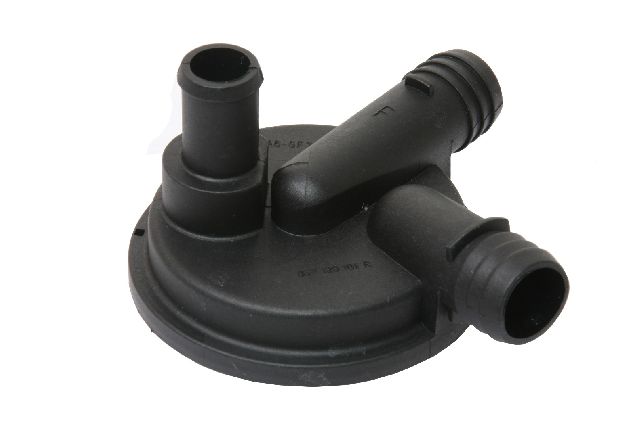
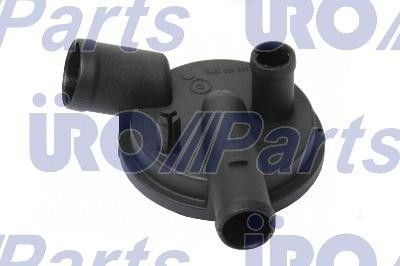
The crankcase vent valve on a 1993-1998 VW Passat is a simple but vital component. Its job is to regulate the flow of unburned fuel and exhaust gases (called "blow-by") from the engine's crankcase back into the intake system. This process prevents harmful pressure from building up inside the engine, which could otherwise force oil past seals and gaskets, causing messy and damaging leaks. It also helps reduce emissions by burning these harmful vapors instead of releasing them.
Symptoms of a Failing Crankcase Vent Valve
When the crankcase vent valve fails, it can get stuck open or closed, leading to a variety of noticeable problems. Ignoring these signs can lead to more significant engine issues down the road.
- Oil Leaks: Increased pressure inside the crankcase is a primary symptom. This pressure will find the path of least resistance, often pushing oil out of valve cover gaskets, oil pan gaskets, and crankshaft seals.
- Rough Idle or Stalling: A valve stuck open can create a vacuum leak, disrupting the air-fuel mixture and causing the engine to run rough, idle poorly, or even stall.
- Whistling or Hissing Noises: A high-pitched whistle or sucking sound from the engine bay at idle can be a tell-tale sign of a failing valve or a cracked vent hose.
- Increased Oil Consumption & Sludge: If the system is clogged, oil vapors can't ventilate properly. This can lead to sludge buildup inside the engine and increased oil consumption as oil is forced into places it shouldn't be.
- Check Engine Light: A malfunctioning vent valve can throw off the engine's air-fuel ratio, potentially triggering diagnostic trouble codes like P0171 (System Too Lean).
Don't Ignore a Bad Valve
While the part itself is inexpensive, ignoring a failed crankcase vent valve can lead to costly repairs. The increased engine pressure can cause multiple oil seals to fail, leading to significant leaks and potential engine damage from oil starvation.
Choosing the Right Aftermarket Part
For the 1993-1998 Passat, the original OEM parts are becoming harder to find. The aftermarket offers several options that vary in quality and price. It's important to choose a reputable brand, as a poor-quality valve can fail quickly.
Brand Quality Tiers:
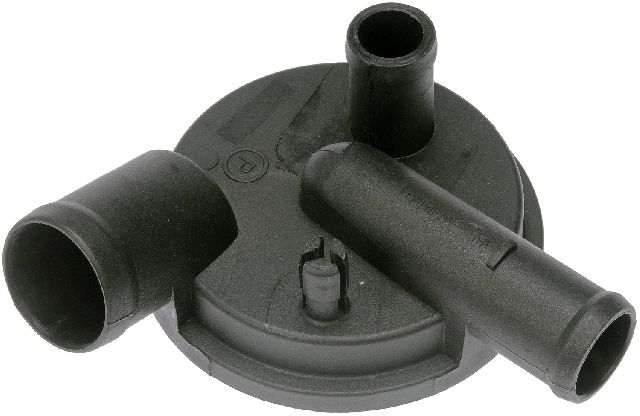
- Good (Entry-Level): URO Parts and Motormite (Dorman) are budget-friendly options. While functional, forum discussions suggest their longevity can be inconsistent. URO Parts, in particular, has a reputation for being a lower-tier brand, though sometimes they are the only option for older vehicles.
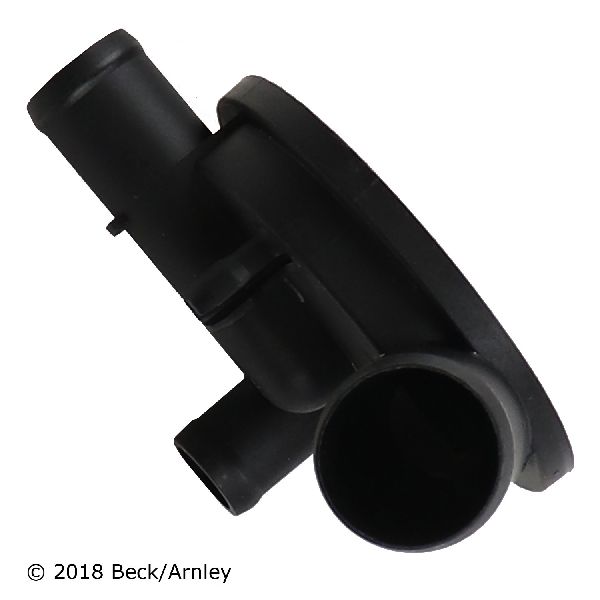
- Better (Mid-Grade): Beck Arnley is a well-known reseller that often sources parts from various manufacturers, sometimes including original equipment suppliers. Quality is generally considered reliable, but can be hit-or-miss depending on their source for a specific part.
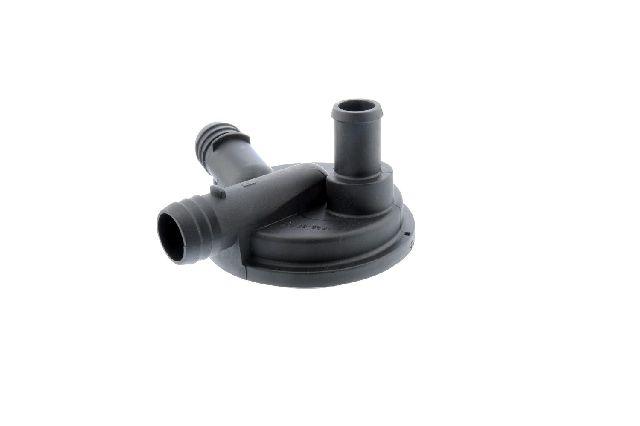
- Best (Premium Aftermarket): Vaico is often regarded as a higher-quality aftermarket brand for German vehicles. They are known for making parts that closely match OEM specifications and are a solid choice for reliability.
Pro Tip: Inspect the Hoses
While replacing the valve, it is critical to inspect all associated crankcase breather hoses. After decades of heat and oil exposure, these hoses become brittle and are prone to cracking, which can cause vacuum leaks and similar symptoms to a bad valve. It's often best to replace them at the same time.
Cost of Replacing a Crankcase Vent Valve (1993-1998 VW Passat)
| Part/Service | Estimated Cost |
|---|---|
| New Aftermarket Valve | $16 - $102 |
| Shop Labor | $50 - $120 |
| Total Estimated Cost (DIY) | $16 - $102 |
| Total Estimated Cost (Installed) | $66 - $222 |
Frequently Asked Questions
Is this the same as a PCV valve?
Yes. The Engine Crankcase Vent Valve serves the function of a Positive Crankcase Ventilation (PCV) valve. The terms are often used interchangeably for this system.
Can I clean my old valve instead of replacing it?
While some older, simpler metal PCV valves could be cleaned, the plastic valves with internal diaphragms used on these Passats are not designed to be serviced. Cleaning is unlikely to solve the internal wear or diaphragm failure that causes the problem, and replacement is the only reliable solution.
How do I know if I have the 2.0L or VR6 engine?
The 2.0L is a 4-cylinder engine, while the 2.8L VR6 is a 6-cylinder. The VR6 engine has a very distinctive and compact design. You can also check the vehicle information sticker, typically located in the trunk or on the driver's door jamb, for the engine code (e.g., ABA for the 2.0L, AAA for the VR6).
What happens if I don't replace a bad vent valve?
Continuing to drive with a bad valve can cause significant problems. The buildup of pressure can blow out gaskets and seals, leading to major oil leaks. It can also cause engine sludge, poor performance, and eventually more severe engine damage.
Technical Specifications
OEM Part Numbers: 028129101D 037129101G 037129101P 037129101R
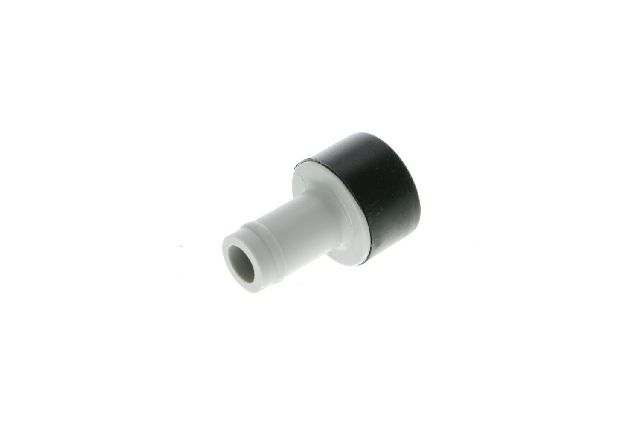
Fits 1993-1998 Volkswagen Passat models, including those with 2.0L (ABA) and 2.8L VR6 (AAA) engines. Part design may vary based on engine type. The valve is typically made of plastic and located on or near the valve cover, connected by rubber breather hoses.
We Have This Part in Stock

The information in this article is provided for general reference and educational purposes only. Vehicle specifications, procedures, and part compatibility can vary by production date, trim level, and region. Always consult your vehicle's factory service manual and verify part numbers before purchasing or performing repairs. Safety-critical components such as airbags, seat belts, and braking systems should be installed by a qualified professional.
- Volkswagen Passat:
- 🛍️ Shop This Part
- Understanding the Crankcase Vent Valve in Your Passat
- Symptoms of a Failing Crankcase Vent Valve
- Don't Ignore a Bad Valve
- Choosing the Right Aftermarket Part
- Pro Tip: Inspect the Hoses
- Cost of Replacing a Crankcase Vent Valve (1993-1998 VW Passat)
- Frequently Asked Questions
- 🎟️ Get 5% Off