

Choosing the Right Alternator for Your 1993-1999 Dodge Dakota
Keep your Dakota's electrical system running strong by understanding common failures and choosing the right replacement alternator.
- The voltage regulator is often inside the engine computer (PCM) on these Dakotas; a bad PCM can look like a bad alternator.
- Always test the complete charging system before buying parts to ensure you are replacing the correct component.
- For most owners, a new aftermarket unit from a reputable brand like Bosch or Remy offers the best blend of quality and value.
- If you have added electrical accessories, consider upgrading to a high-output alternator from a brand like Powermaster.
Is It Really the Alternator? A Critical Dakota Issue
Before you buy a new alternator, you need to know about a common issue with 1993-1999 Dodge Dakotas. On many of these trucks, the voltage regulator is built into the Powertrain Control Module (PCM), which is the main engine computer. This regulator can fail, causing your battery to overcharge or not charge at all. The symptoms look exactly like a bad alternator.
Many owners have replaced their alternator only to find the problem remains because the real issue was the PCM. Always have your charging system professionally tested before replacing parts. If the alternator tests good but your voltage is wrong (should be 13.8-14.5V when running), the PCM is the likely culprit.
Signs of a Failing Alternator
When your alternator starts to fail, your truck will give you several warning signs. Ignoring them can leave you stranded.
- Dimming or Flickering Lights: Headlights and dashboard lights may dim, flicker, or change brightness with engine speed. This is often the first sign of a problem.
- 'GEN' or Battery Warning Light: A warning light on your dashboard, often shaped like a battery or reading 'GEN' (generator), indicates a problem in the charging system.
- Whining or Grinding Noises: A high-pitched whine that changes with engine RPM often points to failing bearings inside the alternator. A more severe grinding noise means failure is imminent.
- Weak or Dead Battery: The alternator's job is to recharge the battery. If it's failing, your battery will lose its charge, leading to difficult starting or a completely dead truck.
- Electrical Accessory Problems: Power windows may run slow, your radio might act up, or other electronics may seem sluggish because they aren't getting enough power.
- Smell of Burning Rubber or Wires: This is a serious symptom that could mean the alternator's belt is slipping or the alternator itself is overheating electrically. Address this immediately.
Choosing the Right Aftermarket Alternator
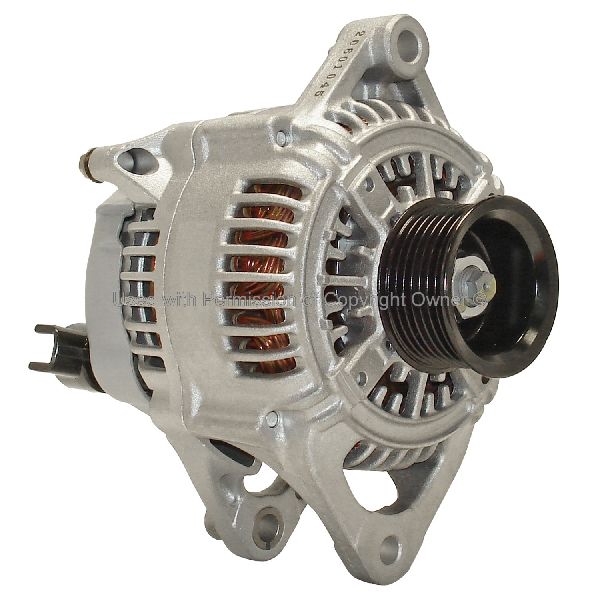
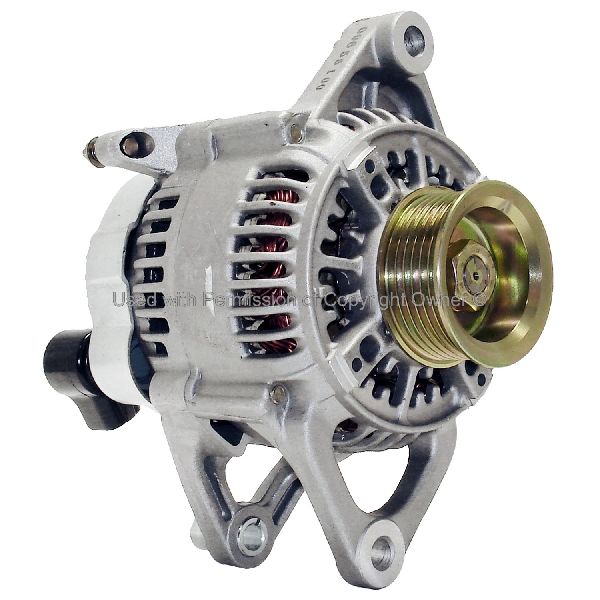
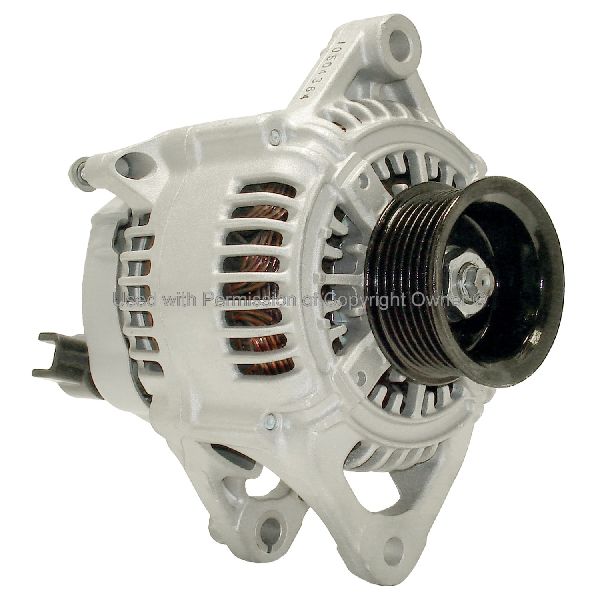
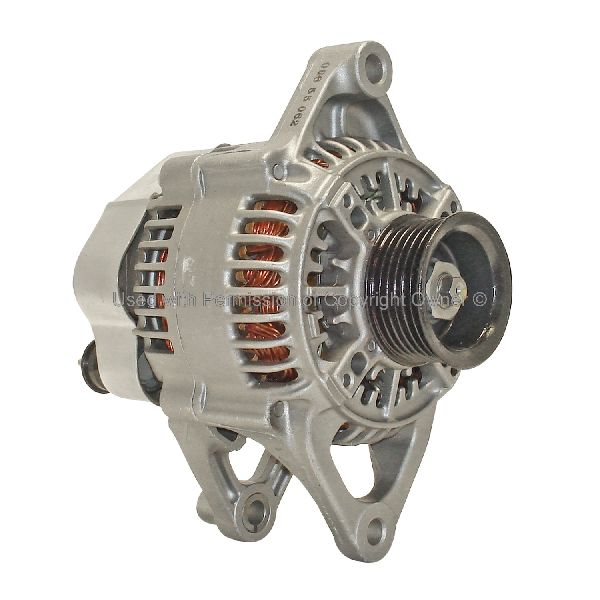
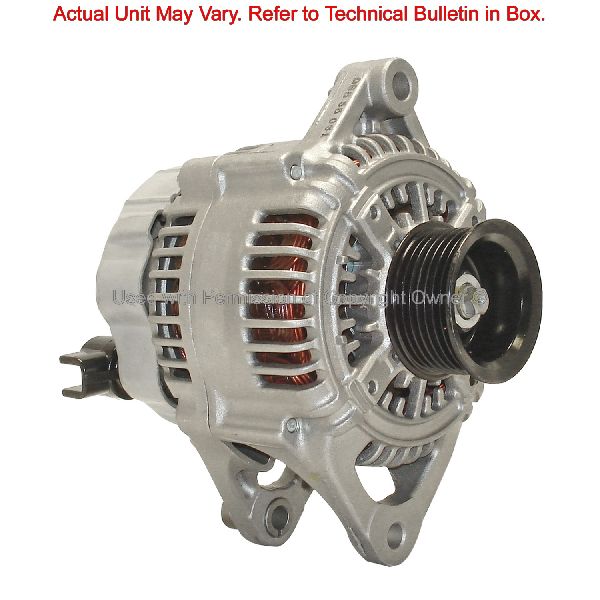
For a vehicle from this era, a new aftermarket alternator from a quality brand is often the best and most cost-effective choice. OEM parts can be hard to find and expensive. Aftermarket brands offer a range of quality and price points.
Match the Amperage: Your Dakota came with different alternator outputs (amperage). Check your original part or vehicle specs. Common ratings are 90, 117, or 136 amps. Using an alternator with lower amperage than required can cause it to fail prematurely.
Brand Tiers
- Premium & High-Output (Bosch, Powermaster): Brands like Bosch are known for high-quality engineering and reliability, often meeting or exceeding OEM standards. Powermaster specializes in high-output alternators, which are a great upgrade if you've added accessories like a large stereo system, a winch, or extra lights.
- Standard & OEM-Quality (Remy, ACDelco): Remy (formerly Delco Remy) and ACDelco have long-standing reputations for producing reliable, durable parts that provide good performance for daily driving needs.
- Economy & Value (WAI Global, BBB Industries, MPA): These brands offer a more budget-friendly option. They can be a good choice for a standard replacement, but may not have the same long-term durability or performance as premium brands.
Typical Replacement Costs
The cost of replacing your Dakota's alternator can vary based on the part you choose and whether you do the work yourself.
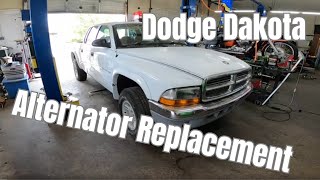
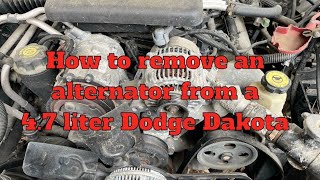
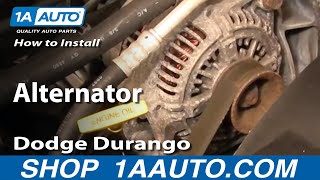
🎬 Watch this step-by-step Dodge Dakota alternator replacement walkthrough.| Part/Service | Estimated Cost |
|---|---|
| New Aftermarket Alternator | $29 - $450 |
| Remanufactured Alternator | $80 - $200 |
| Shop Labor | $120 - $250 |
| Total Professional Replacement | $150 - $700 |
Frequently Asked Questions
How do I know if it's the alternator or just a bad battery?
A simple test can help. If you can jump-start the truck and it dies immediately after removing the jumper cables, the alternator is likely bad because it isn't producing power to keep the engine running. If the truck runs fine after a jump but won't start again later, the battery may be unable to hold a charge. The best way to be sure is to have a parts store test both components for free.
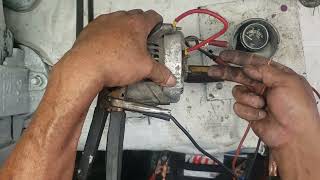
🎬 See how to test your alternator on the truck or bench.What is the voltage regulator issue I keep hearing about?
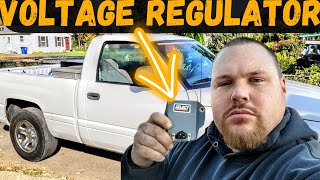
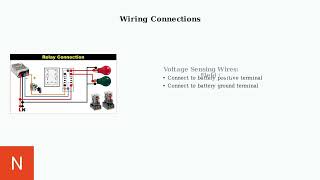
On many 1993-1999 Dakotas, the voltage regulator is inside the engine computer (PCM). If this circuit fails, it will cause charging problems even with a brand new alternator. If you replace your alternator and still have issues, the PCM is the next part to investigate. Some owners choose to wire in an external regulator to bypass a faulty PCM circuit.
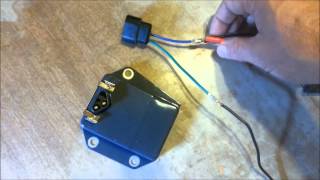
🎬 Learn how to install an external regulator to fix charging issues.Do I need a high-output alternator?
For a stock truck, the standard output is fine. However, if you have added significant electrical loads like a powerful audio amplifier, off-road lights, a winch, or other accessories, a high-output alternator from a brand like Powermaster is a smart investment to keep up with the demand.
What is a 'one-wire' alternator?
A one-wire alternator is a simplified design, popular in the aftermarket, that only requires a single wire connection from the alternator's output post to the battery. This can simplify installation, especially in custom applications. Brands like Powermaster offer these options.
Helpful Videos
Technical Specifications
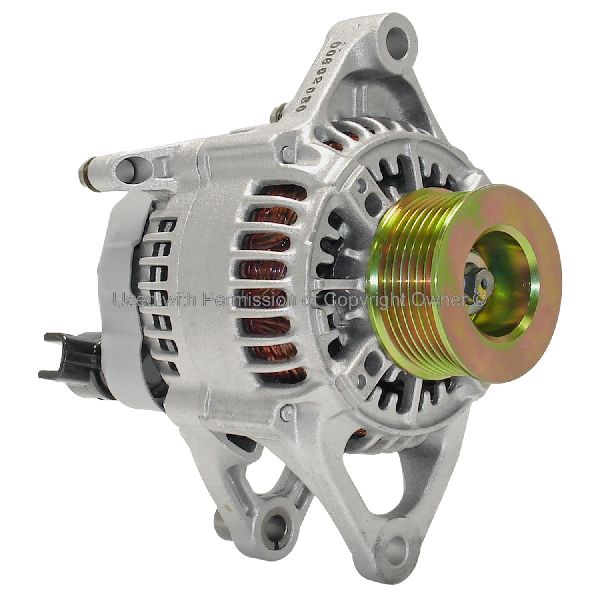
Key specifications for the 1993-1999 Dodge Dakota alternator include the amperage output (commonly 90A, 117A, or 136A) and the voltage regulation method. Critically, many of these models use an external voltage regulator located within the Powertrain Control Module (PCM), not inside the alternator itself.
We Have This Part in Stock

The information in this article is provided for general reference and educational purposes only. Vehicle specifications, procedures, and part compatibility can vary by production date, trim level, and region. Always consult your vehicle's factory service manual and verify part numbers before purchasing or performing repairs. Safety-critical components such as airbags, seat belts, and braking systems should be installed by a qualified professional.
- Dodge Dakota: