

A Guide to Front Disc Brake Pads for the 1993-1999 GMC C1500
Choosing the right brake pads for your GMT400 truck is key to safe, reliable stopping power.
- Before buying parts, check the RPO code sticker in your glove box (likely 'JB5') to ensure you get the correct pads.
- For most owners, a quality aftermarket brand like ACDelco Gold, Wagner, or Raybestos offers the best combination of performance and value.
- When replacing pads, inspect the flexible rubber brake hoses for signs of wear or collapse, as this is a common failure point on these trucks.
- Replacing rotors at the same time as pads is highly recommended for the best performance and longevity.
Symptoms of Worn Brake Pads on a C1500
Your truck will give you clear signs when it's time for new brake pads. Ignoring them can lead to more expensive repairs. The most common symptom is a high-pitched squealing sound when you apply the brakes. This is caused by a small metal tab called a wear indicator. Once the pad material wears down to a certain point, this tab contacts the rotor and makes noise.
If you hear a loud grinding or growling noise, it means the friction material is completely gone. This is a serious issue where metal is grinding against metal, which can quickly destroy your brake rotors. Other signs include a brake pedal that feels soft or spongy, your truck pulling to one side when braking, or simply taking longer to stop than it used to.
Known Issues for 1993-1999 GMC C1500 Brakes
ABS System Recall
In the late 1990s, GM issued a large recall and service campaign for the anti-lock brake system (ABS) on millions of trucks, including the 1993-1996 C1500. The issue could cause unexpectedly long stopping distances under certain conditions. The fix involved reprogramming or replacing the ABS computer module. While this work should have been completed years ago, it's a key part of this truck's braking history.
Collapsing Brake Hoses
A common problem on these aging trucks is the internal collapse of the flexible rubber brake hoses that connect to the front calipers. When a hose collapses inside, it can act like a one-way valve, trapping brake fluid pressure and causing a caliper to remain engaged or "locked up" even after you release the pedal. If you're replacing pads and find one side is worn much more than the other, or if a wheel is hard to turn, a bad brake hose is a likely culprit.
Choosing the Right Aftermarket Brake Pads
For a vehicle like the '93-'99 C1500, aftermarket parts offer excellent value and quality. Many reputable aftermarket brands meet or exceed the original factory specifications. The key is choosing the right part for your truck's specific setup and your driving needs.
CRITICAL: Check Your RPO Code Before Ordering!
General Motors used Regular Production Option (RPO) codes to identify which brake system was installed at the factory. Different systems use different size parts. You MUST check the RPO code to order the correct brake pads. Look for a silver sticker inside your glove box. You are looking for a code that starts with "JB," most commonly JB5 for a C1500. Ordering pads without verifying this code is the most common mistake.
Brake Pad Materials: Ceramic vs. Semi-Metallic
- Semi-Metallic Pads: This is likely what your truck came with from the factory. They offer a strong initial bite and good performance across a wide range of temperatures. However, they tend to produce more brake dust and can sometimes be noisier than ceramic pads.
- Ceramic Pads: A popular upgrade, ceramic pads are known for being very quiet and producing significantly less brake dust, which helps keep your wheels clean. They provide smooth, consistent stopping power for daily driving and light hauling.
Brand Quality Tiers
With dozens of products available, it helps to think of brands in tiers. This is a general guide based on owner feedback and brand reputation for this specific truck.
- Economy (Good): Brands like Pronto and Total Stopping Solutions offer a budget-friendly option for basic transportation. They will restore function but may not offer the longevity or low-dust performance of higher-tier pads.
- OEM-Quality / Daily Driver (Better): This is the sweet spot for most owners. Brands like ACDelco Gold (Professional), Wagner Brakes, Raybestos Element3, and Bendix provide reliable, quiet performance that's equivalent to or better than the original parts.
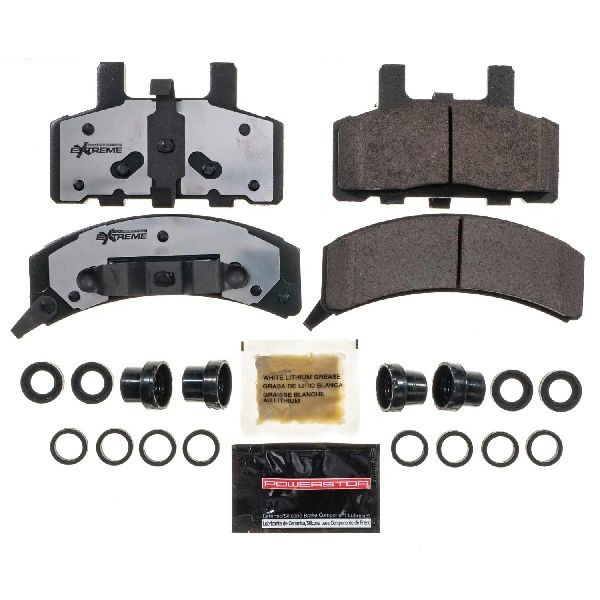
- Performance / Heavy-Duty (Best): If you tow, haul heavy loads, or simply want the best stopping power, look at kits from Powerstop (like the Z36 Truck & Tow kit) or premium pads from EBC Brakes or Brembo. These are designed for better heat dissipation and reduced brake fade under stress.
| Part Type | Estimated Cost | Notes |
|---|---|---|
| Aftermarket Economy Pads | $37 - $60 | Basic pads that meet minimum requirements. |
| Aftermarket Daily Driver Pads | $60 - $100 | Best balance of price and performance for most users (e.g., Wagner, ACDelco Gold, Raybestos). |
| Aftermarket Performance/Towing Pads | $100 - $158+ | Premium pads or kits for heavy use (e.g., Powerstop Z36, EBC). |
| Shop Labor | $120 - $200 | Estimated cost for a professional to install front pads. |
Frequently Asked Questions
Is replacing brake pads a good DIY job for this truck?
Yes, for someone with basic mechanical skills and the right tools, replacing the front brake pads on a '93-'99 C1500 is a very manageable DIY job. You will need a jack, jack stands, a lug wrench, a socket set that may include a T55 Torx bit, and a C-clamp to compress the caliper pistons. Always prioritize safety by using jack stands on a level surface.
Do I need to replace my rotors at the same time?
Not always, but it's highly recommended. If your current rotors are smooth, have no deep grooves, and are not warped (which causes a pulsation in the pedal when braking), they can sometimes be reused. However, installing new pads on old rotors can reduce their lifespan and performance. For best results and a smooth pedal feel, replacing the pads and rotors together is the best practice.
What does "bedding in" new brakes mean?
Bedding-in is the process of breaking in your new pads and rotors. It involves a series of controlled stops to transfer an even layer of friction material from the pads onto the rotors. This prevents glazing and ensures smooth, powerful braking. Most manufacturers provide specific instructions, but it typically involves several moderate stops from around 40-50 mph without coming to a complete stop, followed by a cool-down period.
My brakes lock up. Is it the pads?
It's unlikely to be the pads themselves. On this specific truck, a brake that won't release is often caused by a collapsed flexible brake hose leading to that wheel's caliper. It can also be caused by a seized caliper or, less commonly, a master cylinder issue.
Technical Specifications
Brake system is identified by the RPO code on the glove box sticker. The most common system for the C1500 is JB5. Part numbers vary based on the specific RPO code. Always verify your code before ordering.
We Have This Part in Stock
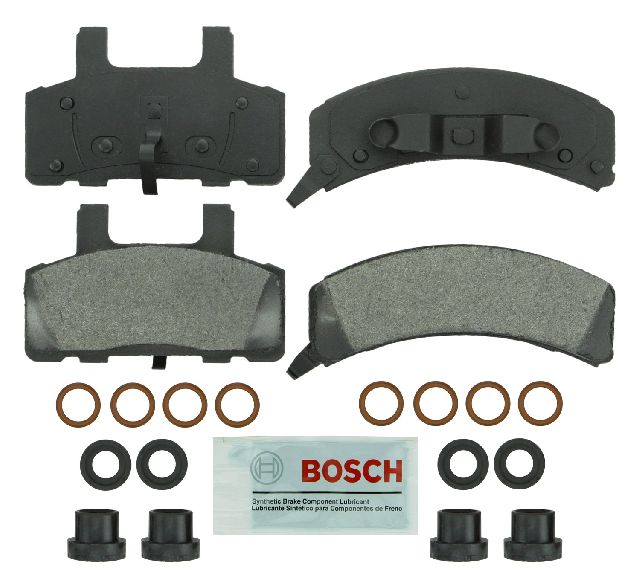
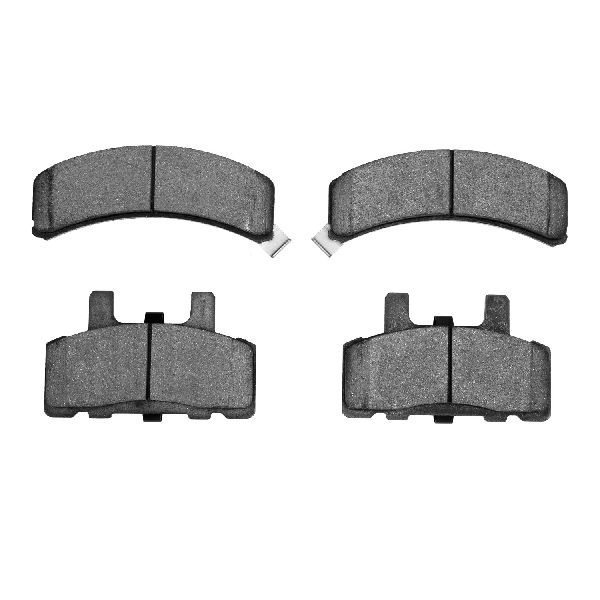

The information in this article is provided for general reference and educational purposes only. Vehicle specifications, procedures, and part compatibility can vary by production date, trim level, and region. Always consult your vehicle's factory service manual and verify part numbers before purchasing or performing repairs. Safety-critical components such as airbags, seat belts, and braking systems should be installed by a qualified professional.
- GMC C1500:
- 🛍️ Shop This Part
- Symptoms of Worn Brake Pads on a C1500
- Known Issues for 1993-1999 GMC C1500 Brakes
- ABS System Recall
- Collapsing Brake Hoses
- Choosing the Right Aftermarket Brake Pads
- CRITICAL: Check Your RPO Code Before Ordering!
- Brake Pad Materials: Ceramic vs. Semi-Metallic
- Brand Quality Tiers
- Frequently Asked Questions
- 🎟️ Get 5% Off