

Oxygen Sensor Replacement Guide for the 1993-1999 GMC P3500
Fix poor fuel economy and a rough idle on your P3500 by choosing the right replacement oxygen sensor.
- Verify if your P3500 is OBD-I (1993-95) or OBD-II (1996-99) to buy the correct number and type of sensors.
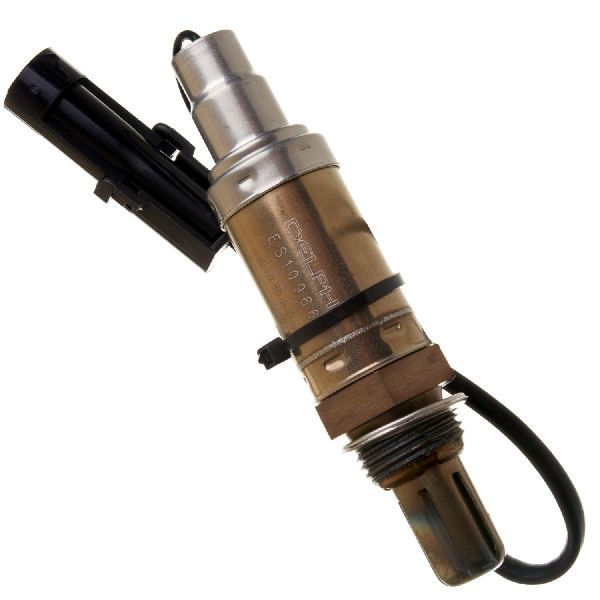
- For best results, choose a direct-fit sensor from Denso, NGK/NTK, or Delphi; avoid Bosch on this specific GM platform.
- Always use an O2 sensor socket and penetrating oil to make removal easier and prevent damage.
- Driving with a bad O2 sensor will hurt fuel economy and can lead to costly catalytic converter failure.
Is Your P3500's Oxygen Sensor Failing?
Oxygen sensors wear out over time due to intense heat and contamination from exhaust gases. On a workhorse vehicle like the P3500, a bad sensor can lead to noticeable problems. Ignoring the signs can cause poor performance and may eventually damage your expensive catalytic converter.
Key Symptoms of a Bad O2 Sensor:
- Check Engine Light: This is the most common indicator. A code reader can help confirm if the issue is an O2 sensor. For 1993-1995 models, this may show as Code 44. For 1996-1999 models, you might see codes like P0131, P0135, P0151, or others related to sensor performance.
- Poor Fuel Economy: A bad sensor can cause the engine computer to inject too much fuel, making you visit the gas station more often.
- Rough Engine Performance: You may experience a rough idle, engine hesitation, misfires, or pinging.
- Bad Smell from Exhaust: A "rotten egg" smell often means the engine is running too rich (too much fuel), a common result of a failing sensor.
- Failed Emissions Test: Your truck will not pass a smog check with a faulty oxygen sensor.
Choosing the Right Aftermarket O2 Sensor
When it comes to aftermarket sensors for your P3500, brand choice matters. While many brands offer parts that fit, owner experiences show that some perform better than others on this specific GM truck platform.
Brand Tiers for Your GMC P3500
- Top Tier (OEM Quality): Brands like Denso, NGK (also sold as NTK), and Delphi are highly recommended. These companies are often the original equipment manufacturers for GM, and their aftermarket parts are known for reliability and correct performance. ACDelco is GM's official brand, but their sensors are typically made by one of these manufacturers.
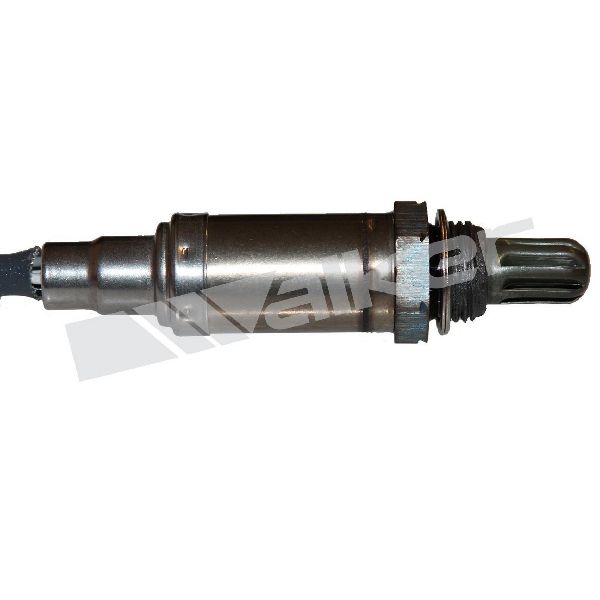
- Good Value Tier: Brands like Walker Products and Spectra offer a balance of quality and affordability and are widely available.
- Economy Tier: Brands like DriveWire are budget-friendly options for basic replacement needs.
A Note on Bosch Sensors for This Vehicle
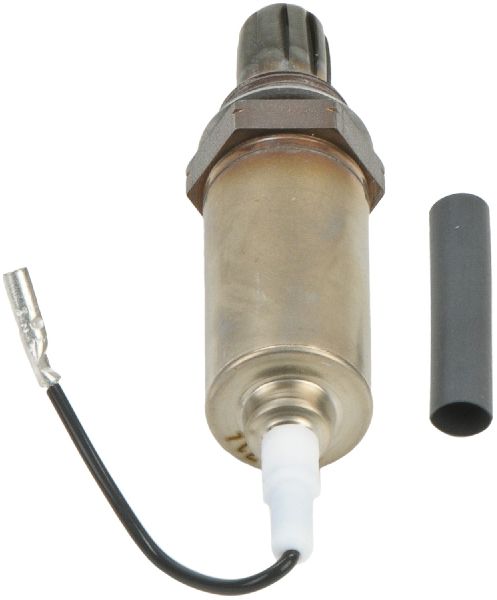
While Bosch is a top-quality brand that invented the oxygen sensor, many GM truck owners from this era report performance issues and compatibility problems with their aftermarket sensors. For the 1993-1999 P3500, it is often recommended to choose Denso, NGK/NTK, or Delphi to avoid potential issues.
Typical Replacement Costs
The cost to replace an oxygen sensor depends on the part you choose and whether you do the work yourself or hire a professional.
| Item | Estimated Cost |
|---|---|
| New Aftermarket O2 Sensor | $28.13 - $87.03 |
| New OEM (ACDelco) O2 Sensor | $90 - $180 |
| Shop Labor | $75 - $150 per sensor |
Frequently Asked Questions (FAQ)
How many oxygen sensors does my 1993-1999 P3500 have?
It depends on the year. 1993-1995 (OBD-I) models typically have one or two upstream sensors. 1996-1999 (OBD-II) models with V8 engines usually have four sensors: two upstream (before the catalytic converter) and two downstream (after the converter). Always visually inspect your exhaust to confirm the exact number before ordering.
What is the difference between upstream and downstream sensors?
Upstream sensors (Sensor 1) are located before the catalytic converter and are critical for controlling the engine's air-fuel mixture. Downstream sensors (Sensor 2) are located after the converter and primarily monitor its efficiency. They are not interchangeable. Performance issues like poor fuel economy are almost always caused by a failing upstream sensor.
Do I need a special tool for replacement?
Yes, an O2 sensor socket is highly recommended. This special socket has a slot for the sensor's wire, allowing you to remove and install it without damage. The old sensor is often seized from rust and heat, so soaking it with penetrating oil overnight can make the job much easier.
Can I clean my old oxygen sensor?
Cleaning an oxygen sensor is not a reliable or recommended fix. The internal sensing element becomes contaminated and wears out over time. Given the reasonable cost of a new aftermarket part, replacement is the only way to guarantee a lasting repair.
Are there any recalls for the P3500 oxygen sensor?
There are no specific recalls or Technical Service Bulletins (TSBs) from the NHTSA for oxygen sensor failure on the 1993-1999 GMC P3500. However, general GM bulletins note that sensor wires can sometimes melt if they come into contact with the hot exhaust pipe, so always check that the new sensor's wiring is properly routed and secured away from heat sources.
Technical Specifications
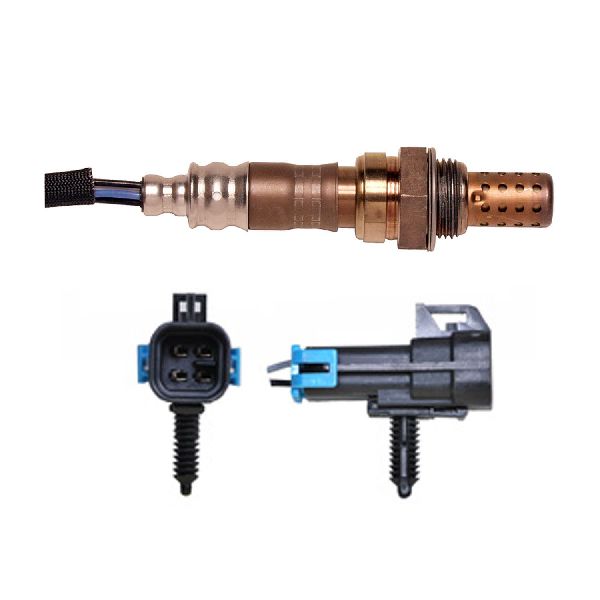
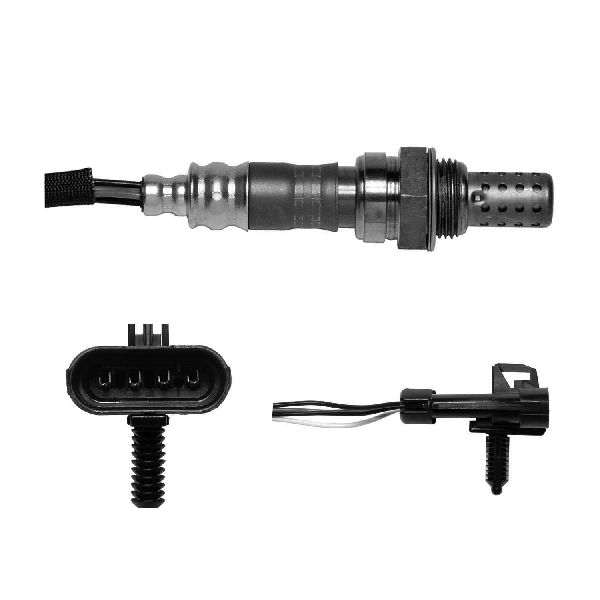
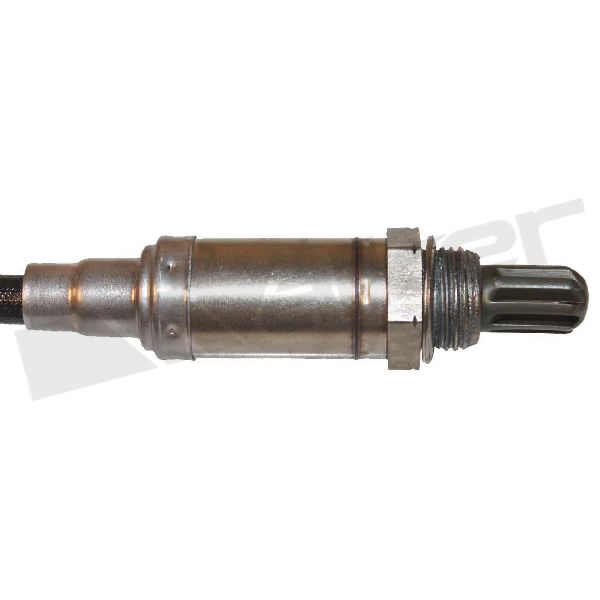
Sensor configuration varies by year. 1993-1995 models may use a 1-wire or 3-wire heated sensor. 1996-1999 models use heated 4-wire sensors. All sensors use an M18x1.5 thread size. It is critical to match the connector type and wire count to your vehicle's original sensor.
We Have This Part in Stock

The information in this article is provided for general reference and educational purposes only. Vehicle specifications, procedures, and part compatibility can vary by production date, trim level, and region. Always consult your vehicle's factory service manual and verify part numbers before purchasing or performing repairs. Safety-critical components such as airbags, seat belts, and braking systems should be installed by a qualified professional.
- GMC P3500: