

Engine Coolant Temperature Sensor Guide for 1993-1999 Jeep Grand Cherokee (ZJ)
Solve overheating, poor fuel economy, and erratic gauge behavior on your ZJ by understanding and choosing the right coolant sensor.
- Verify if your ZJ has one sensor for everything or two separate units (one for the computer, one for the gauge) before ordering.
- For reliability, Mopar or an OEM-equivalent brand like NGK/NTK is highly recommended by experienced owners.
- A failing sensor can cause serious issues like overheating, poor fuel economy, and hard starting.
- This is a simple, inexpensive DIY replacement that can solve many common engine performance problems.
Is Your ZJ Running Rough? It Could Be a Bad Coolant Sensor
The Engine Coolant Temperature (ECT) sensor on the 1993-1999 Jeep Grand Cherokee (ZJ) is a small part that causes big problems when it fails. Because it directly tells the engine's computer how hot or cold the engine is, a bad sensor can make your Jeep run rich, overheat, or get terrible gas mileage. Many owners chase these symptoms, replacing other parts, when the simple, inexpensive sensor is the real culprit. Understanding the signs of failure and how to choose a quality replacement is key to keeping your ZJ running reliably.
Symptoms of a Failing ECT Sensor
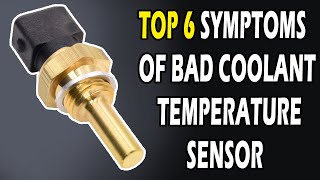
When the ECT sensor sends bad information to the computer, or stops sending it altogether, your Jeep will let you know. Watch for these common signs:
- Check Engine Light: This is often the first sign. The sensor will trigger specific codes, most commonly P0117 (signal circuit low) or P0118 (signal circuit high).
- Poor Fuel Economy and Black Smoke: A sensor that's stuck reading "cold" will tell the computer to inject extra fuel, just like it would on a cold start. This rich fuel mixture wastes gas and can cause black smoke to come from the exhaust pipe.
- Engine Overheating at Idle: The ECT sensor is responsible for telling the computer to turn on the electric radiator fan when the temperature rises in traffic. If the sensor fails, the fan may not activate, causing the engine to overheat when the vehicle isn't moving.
- Erratic Temperature Gauge: The gauge on your dashboard might swing wildly, read much hotter or colder than normal, or not move at all. On models with a separate sender for the gauge, this points to that specific part failing.
- Difficult Starting: If the engine is warm but the sensor is telling the computer it's freezing cold, the incorrect fuel mixture can make the engine hard to start.
One Sensor or Two? A Critical Detail for ZJ Owners
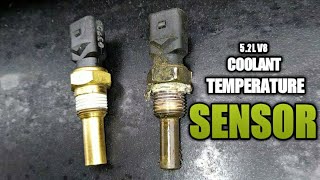
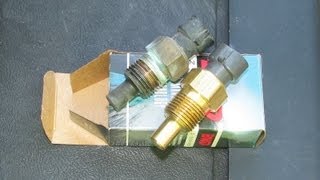
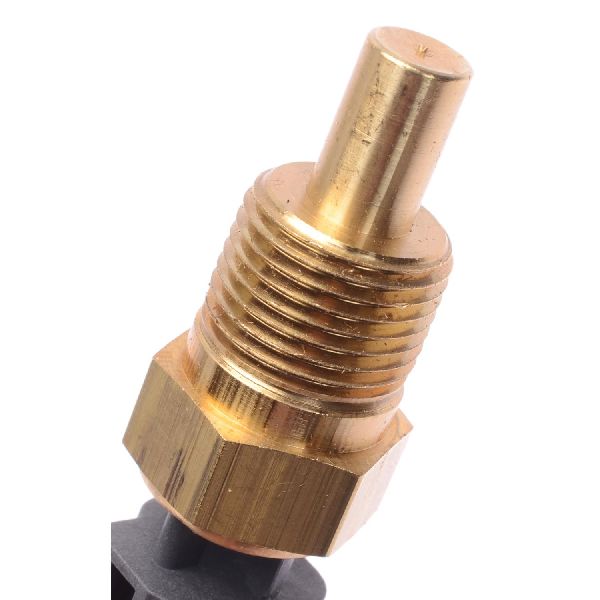
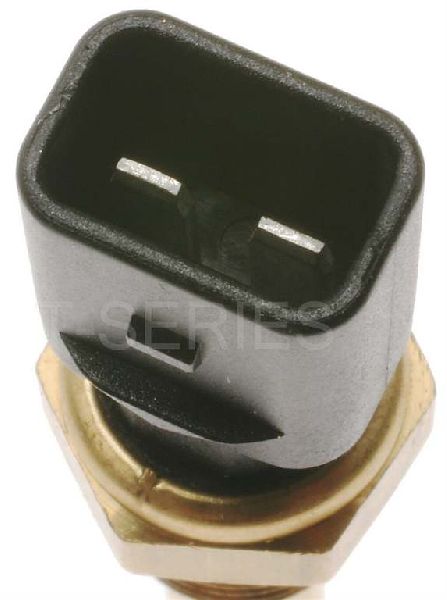
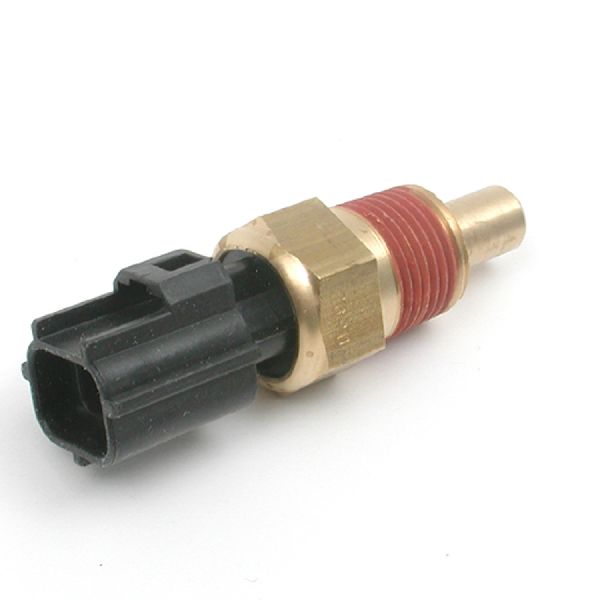
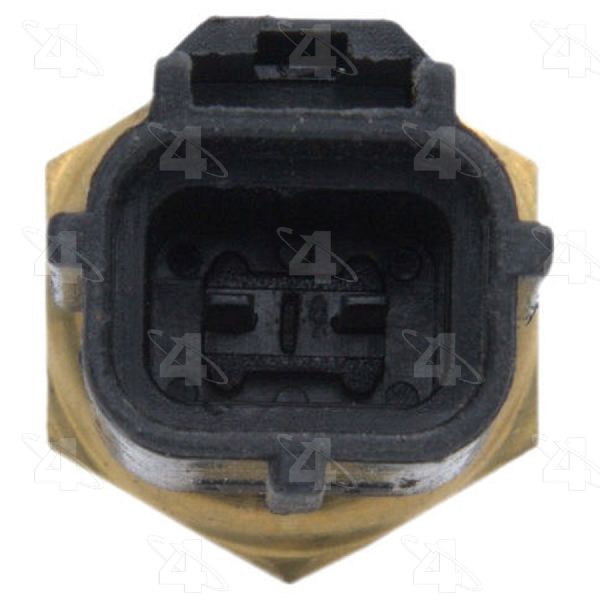
Before you buy, you must know what your specific Jeep has. Many 1993-1996 models use two separate sensors: one for the computer (ECT sensor, two wires) and one for the gauge (sender, one wire). The ECT sensor is usually on the thermostat housing (4.0L) or intake manifold (V8s), while the gauge sender is often at the rear of the cylinder head (4.0L). Later models (approx. 1997-1999) typically use a single sensor for both functions. Always verify the location and wire count on your engine before ordering.
Choosing the Right Aftermarket Sensor: Quality Matters
While many aftermarket parts are a great value, electronic sensors are one area where quality really counts for these Jeeps. Forum discussions are filled with stories of owners who bought the cheapest sensor available, only for it to fail quickly or be inaccurate right out of the box, leading to more frustration. For a critical part like this, it's often worth paying a little more for a trusted brand.
Brand Tiers for Your Grand Cherokee
- Tier 1 (OEM & OEM-Equivalent): Mopar, NGK/NTK
The consensus among ZJ owners is clear: Mopar is the safest bet for reliability and accuracy. NGK (also known as NTK) is widely reported to be the original manufacturer for Mopar sensors, making them an excellent alternative that is often identical to the dealer part. - Tier 2 (Reputable Aftermarket): Delphi, Standard Motor Products (Non-T-Series)
Brands like Delphi have a long history as original equipment suppliers and are generally a solid choice. Standard Motor Products (SMP) is also a well-regarded brand, but be aware of their different product lines. Avoid their budget "T-Series" (often in a green box) and stick to their standard line. - Tier 3 (Budget-Friendly): Crown Automotive, Store Brands
Crown is a popular source for Jeep parts and can be a good value for mechanical components. However, for electronics like sensors, their quality can be inconsistent, with some users reporting premature failures. These brands can be a viable option if budget is the primary concern, but be aware that you may be sacrificing long-term reliability.
| Part Type | Estimated Cost |
|---|---|
| New OEM (Mopar) | $45 - $120 |
| New Aftermarket (Premium) | $30 - $60 |
| New Aftermarket (Budget) | $7 - $25 |
| Shop Labor | $50 - $125 |
Pro Tip: Easy DIY Replacement
Replacing the ECT sensor is a simple job that most owners can do themselves in under an hour with basic hand tools. On the 4.0L engine, it's usually on the thermostat housing. On V8 models, look for it on the front of the intake manifold. Have the new sensor ready to go; when you unscrew the old one, some coolant will leak out. Quickly swap in the new sensor to minimize coolant loss, then top off the system as needed.
Frequently Asked Questions
Can a bad coolant sensor cause my electric fan to not work?
Yes, absolutely. The PCM uses the signal from the ECT sensor to determine when to activate the electric cooling fan. If the sensor fails and doesn't send a "hot" signal, the fan will not turn on, which can lead to overheating in stop-and-go traffic.
Why is my gauge reading hot but the engine seems fine?
This can happen for a few reasons. The sensor or sender itself could be failing and sending an incorrect high reading. On models with two separate units, the sender for the gauge could be bad while the sensor for the computer is still working correctly. It could also be a wiring or gauge cluster issue, but the sender is the most common and easiest part to replace first.
Do I need to use thread sealant on the new sensor?
Many new sensors come with a thread sealant compound already applied. If yours does not, it is a good idea to apply a small amount of Teflon tape or liquid thread sealant to the threads to prevent coolant leaks. Make sure not to get any sealant on the tip of the sensor itself.
I replaced the sensor and still have problems. What now?
First, if you used a budget-tier sensor, it's possible the new part is faulty. Second, check the electrical connector and wiring for any corrosion, damage, or looseness, as a bad connection can cause the same symptoms. Finally, on older ZJs, a bad solder joint inside the instrument cluster's circuit board can cause erratic gauge readings.
Helpful Videos
Technical Specifications
OEM Part Numbers: 56027873 33004281
Location varies by engine and year. On 4.0L engines, the main sensor is often on the thermostat housing, with a secondary sender (if equipped) at the rear of the cylinder head. On 5.2L/5.9L V8 engines, it is typically on the intake manifold. The part may have one or two electrical pins.
We Have This Part in Stock


The information in this article is provided for general reference and educational purposes only. Vehicle specifications, procedures, and part compatibility can vary by production date, trim level, and region. Always consult your vehicle's factory service manual and verify part numbers before purchasing or performing repairs. Safety-critical components such as airbags, seat belts, and braking systems should be installed by a qualified professional.
- Jeep Grand Cherokee:
- 🎬 Helpful Videos
- 🛍️ Shop This Part
- Is Your ZJ Running Rough? It Could Be a Bad Coolant Sensor
- Symptoms of a Failing ECT Sensor
- One Sensor or Two? A Critical Detail for ZJ Owners
- Choosing the Right Aftermarket Sensor: Quality Matters
- Brand Tiers for Your Grand Cherokee
- Pro Tip: Easy DIY Replacement
- Frequently Asked Questions
- 🎟️ Get 5% Off