

Jeep Grand Cherokee ZJ (1993-1999) Engine Mount Replacement Guide
Stop the clunking and vibrations in your ZJ by understanding and choosing the right engine mounts.
- Bad engine mounts on a ZJ cause clunking noises, vibrations, and can lead to cracking the 4.0L's exhaust manifold.
- Choose standard rubber mounts (Anchor, Crown) for a quiet, factory-like ride or choose polyurethane mounts (Prothane) for durability at the cost of more vibration.
- Engine mounts are different for the 4.0L I6 and the 5.2L/5.9L V8 engines, so ensure you buy the correct part for your Jeep.
- Always replace engine mounts in pairs and inspect the transmission mount at the same time for best results.
Is Your Grand Cherokee's Engine Trying to Escape?
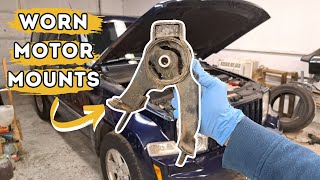
The engine mounts on the first-generation 'ZJ' Grand Cherokee are a common wear item. The original rubber mounts break down over time from heat, oil, and constant stress. When they fail, the engine can move and shake excessively, leading to a number of noticeable and annoying problems. Because worn mounts can cause other parts to fail, like the famously crack-prone 4.0L exhaust manifold, it's a good idea to replace them as soon as you notice symptoms.
Symptoms of Bad Engine Mounts
- Clunking Noises: A loud "clunk" or "thud" when you accelerate, brake, or shift gears (like from Park to Drive) is a classic sign. This is the sound of the engine shifting and hitting its limits.
- Excessive Vibration: You might feel a heavy vibration through the steering wheel, floor, or seats, especially when idling in gear.
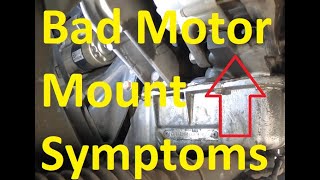
- Visible Engine Movement: With the hood open, have a friend safely put the car in Drive and Reverse with their foot on the brake. If you see the engine lift or twist more than an inch or two, the mounts are shot. 🎬 Watch: How to identify and test for failed mounts
- Fan Hitting the Shroud: In severe cases, the engine can move enough for the mechanical fan to hit the plastic fan shroud, creating a loud and destructive noise.
A Note on 4.0L Exhaust Manifolds
If you have the 4.0L inline-6 engine, bad motor mounts are a leading cause of cracked exhaust manifolds. The extra engine movement puts immense stress on the rigid cast iron manifold. If you are replacing a cracked manifold, you should always replace your motor mounts at the same time to prevent the new one from cracking too.
Choosing the Right Aftermarket Mounts for Your ZJ
You have a few good options when it comes to aftermarket mounts. The best choice depends on your budget and how you use your Jeep.
Tier 1: Standard Replacement (Good)
These brands offer direct, OE-style rubber replacements that restore the original ride quality. They are a great value for daily drivers and are much better than continuing to drive on worn-out mounts.
- Anchor, DEA, Westar, Pioneer: These brands are widely available and affordable. While some forum users have mixed reviews on longevity compared to original Mopar parts, they are a popular choice for a budget-friendly repair. For a daily driver, they get the job done.
Tier 2: Jeep Specialist Brands (Better)
These brands focus specifically on Jeep parts and often aim for quality that meets or exceeds the original factory parts. They are an excellent middle-ground for those who want better-than-basic quality without the harshness of performance mounts.
- Crown Automotive, Omix-Ada: Generally considered a step up from standard parts-store brands, Crown and Omix focus on OE-spec parts for Jeeps. They are a solid choice for restorations or for owners who want a longer-lasting rubber mount.
Tier 3: Performance & Heavy-Duty (Best for Durability)
If you take your ZJ off-road or simply want the most durable solution, polyurethane mounts are the answer. They are much stiffer than rubber and will last longer, but there is a trade-off.
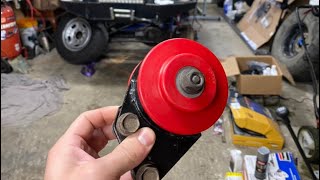
- Prothane: Prothane offers polyurethane inserts that you press into your existing metal mount shells. They dramatically reduce engine movement, which is great for performance and durability. However, they also transmit much more engine vibration into the cabin, which some drivers find annoying for a daily driver. 🎬 See how to install polyurethane inserts in your ZJ
Rubber vs. Polyurethane: What's the Difference?
Rubber mounts provide a smoother, quieter ride by absorbing more vibration, just like the original factory parts. They are perfect for daily driving. Polyurethane (Poly) mounts are much stiffer, providing better throttle response and durability, but they will make you feel more engine vibration inside the vehicle. Choose rubber for comfort, poly for performance and longevity.
Cost of Replacing Jeep Grand Cherokee Engine Mounts
| Part Type | Estimated Cost (Parts Only) |
|---|---|
| New Aftermarket (Rubber) | $18 - $50 per mount |
| New Aftermarket (Polyurethane) | $40 - $100 for a set |
| Shop Labor | $150 - $300 |
Cost estimates are approximate and can vary based on your location and the specific parts chosen. Shop labor costs are based on typical repair times for this job.
Frequently Asked Questions (FAQ)
How many engine mounts does my 1993-1999 Grand Cherokee have?
Your Grand Cherokee has two engine mounts (one on each side of the engine) and one transmission mount at the rear of the transmission. It's highly recommended to replace all three at the same time, as a failure in one puts extra stress on the others.
Are the mounts different for the 4.0L, 5.2L, and 5.9L engines?
Yes, the engine mounts for the inline-6 (4.0L) and the V8s (5.2L/5.9L) are different. The V8 mounts are designed to handle more torque. Make sure you order the correct parts for your specific engine.
Can I replace just one broken engine mount?
You can, but it is not recommended. Engine mounts wear out together. If one has failed, the others are likely weak and will fail soon. Replacing them in pairs (or all three including the transmission mount) ensures proper engine alignment and prevents premature wear on the new mount.
Is replacing ZJ engine mounts a DIY job?
Yes, for a mechanically inclined person with the right tools, this is a very doable DIY job. The basic process involves supporting the engine with a jack and a block of wood, unbolting the old mount, and installing the new one. The driver's side mount can be a bit tricky due to the steering shaft, but it is manageable.
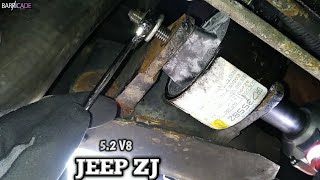
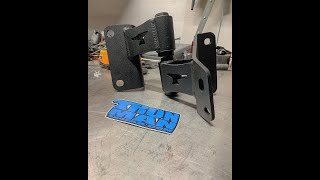
🎬 Watch this step-by-step guide to replacing your engine mountsHelpful Videos
Technical Specifications
OEM Part Numbers: 52007412 52007413 52058125 52058126
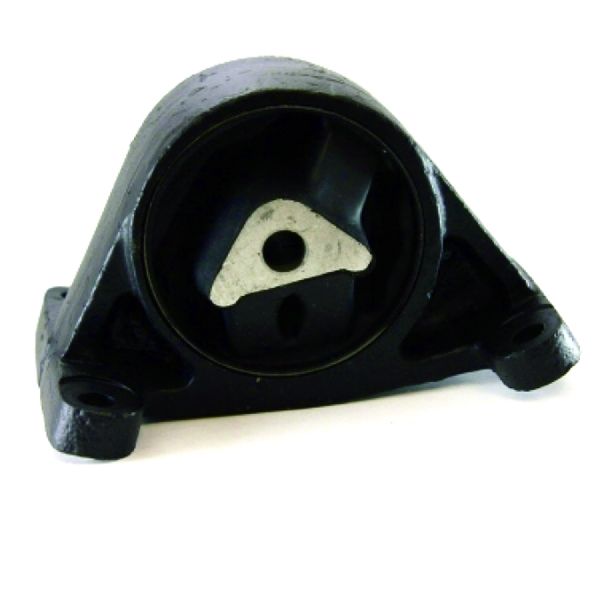
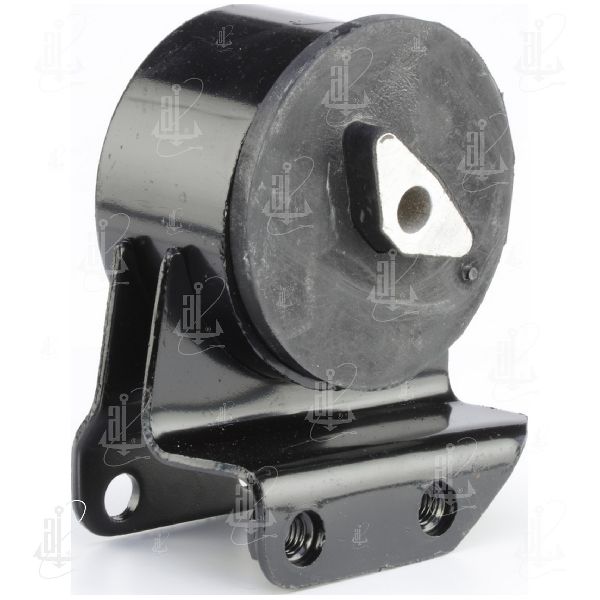
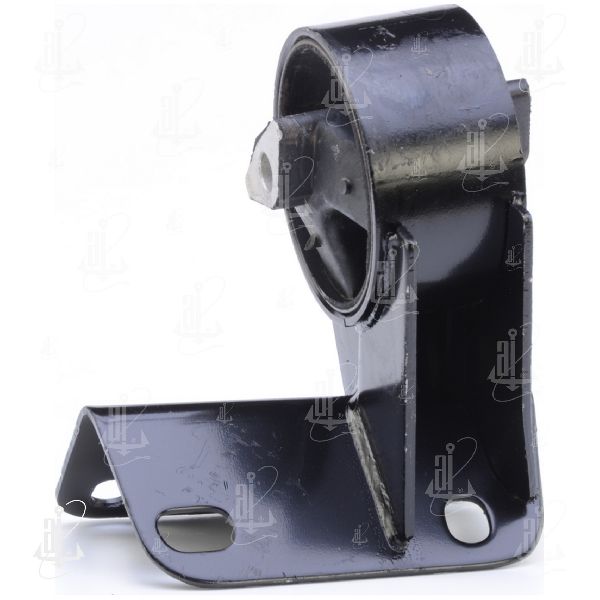
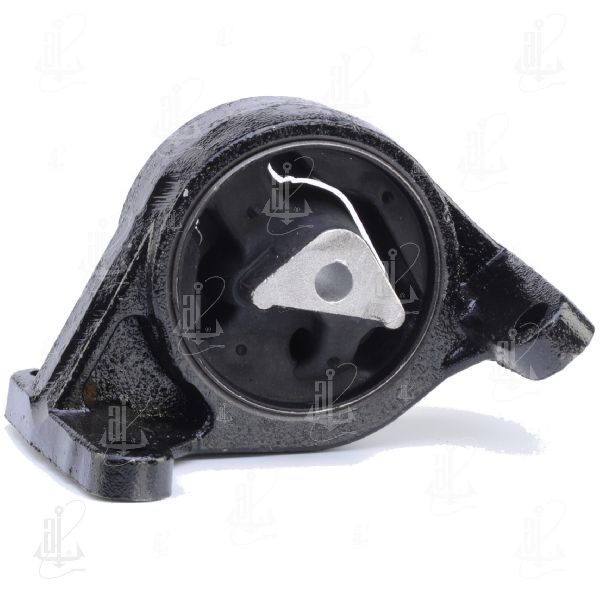
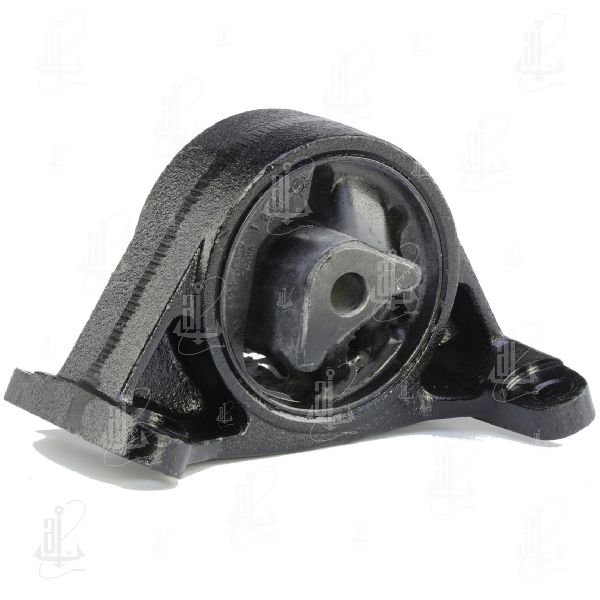
The 1993-1999 Grand Cherokee uses two engine mounts and one transmission mount. The engine mounts are a through-bolt design, attaching to the engine block and the frame-side bracket. Mounts for the 4.0L I-6 engine are distinct from those for the 5.2L & 5.9L V8 engines.
We Have This Part in Stock


The information in this article is provided for general reference and educational purposes only. Vehicle specifications, procedures, and part compatibility can vary by production date, trim level, and region. Always consult your vehicle's factory service manual and verify part numbers before purchasing or performing repairs. Safety-critical components such as airbags, seat belts, and braking systems should be installed by a qualified professional.
- Jeep Grand Cherokee:
- 🎬 Helpful Videos
- 🛍️ Shop This Part
- Is Your Grand Cherokee's Engine Trying to Escape?
- Symptoms of Bad Engine Mounts
- A Note on 4.0L Exhaust Manifolds
- Choosing the Right Aftermarket Mounts for Your ZJ
- Tier 1: Standard Replacement (Good)
- Tier 2: Jeep Specialist Brands (Better)
- Tier 3: Performance & Heavy-Duty (Best for Durability)
- Rubber vs. Polyurethane: What's the Difference?
- Cost of Replacing Jeep Grand Cherokee Engine Mounts
- Frequently Asked Questions (FAQ)
- 🎟️ Get 5% Off