

A Guide to the Starter on Your 1993-2000 BMW 325i
Everything you need to know before replacing the starter on your E36 BMW 325i.
- A 'click-no-start' symptom is the most common sign of a failed starter on a BMW 325i.
- Replacement is a difficult, 4-6 hour job because the starter is located under the intake manifold.
- Choose a quality brand like Bosch, as the labor involved makes it worth avoiding a repeat job.
- Newer-style starters with threaded mounting holes are an upgrade that makes installation easier.
Is Your BMW 325i Starter Failing?
A failing starter on the E36-generation BMW 325i is a common issue, especially as these cars age. The symptoms can sometimes be confused with a dead battery, but there are key differences. Before you blame the starter, make sure your battery is fully charged and the terminals are clean and tight. A jump-start can be a good test; if the car still won't crank with a jump, the starter is the most likely problem.
🎬 Watch: How to diagnose a no-crank, no-start conditionSymptoms of a Bad Starter
- Single Loud Click: You turn the key and hear one loud click from under the hood, but the engine doesn't turn over. This often means the starter solenoid is engaging, but the motor itself isn't spinning.
- No Sound at All: If you turn the key and nothing happens, but your dashboard lights and radio work, the starter could be completely dead.
- Slow or Lazy Cranking: The engine turns over very slowly, as if the battery is weak, even when it's fully charged. This can indicate the starter motor is worn out and drawing too much power.
- Grinding Noise: A grinding sound when you try to start the car can mean the starter gear is not engaging properly with the flywheel, or it's failing to retract.
Known Issues & Recalls
There are no active recalls or Technical Service Bulletins (TSBs) from the NHTSA specifically for the starter on the 1993-2000 BMW 325i. Recalls you may see online for BMW starters apply to much newer models and do not affect the E36 chassis.
Choosing the Right Aftermarket Starter
Replacing the starter on an E36 325i is a labor-intensive job because it is located underneath the intake manifold. Because of the high labor cost or significant time investment for a DIY-er, it is wise to choose a quality part to avoid doing the job twice. Here’s a breakdown of the available brands.
Brand Tiers
- Tier 1 (OEM Quality): Bosch
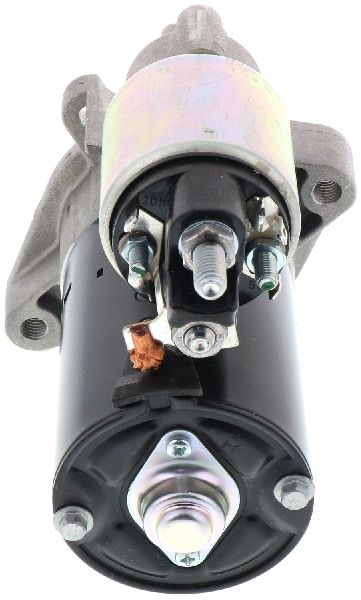
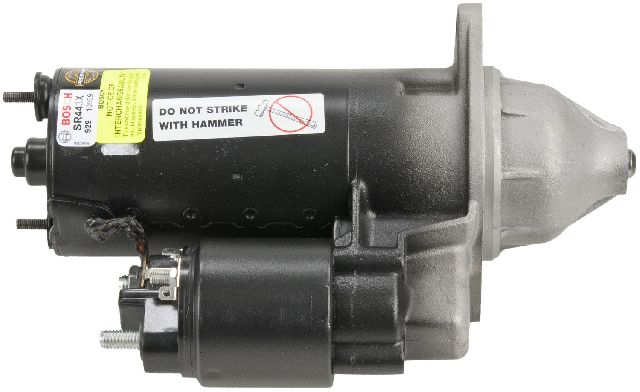
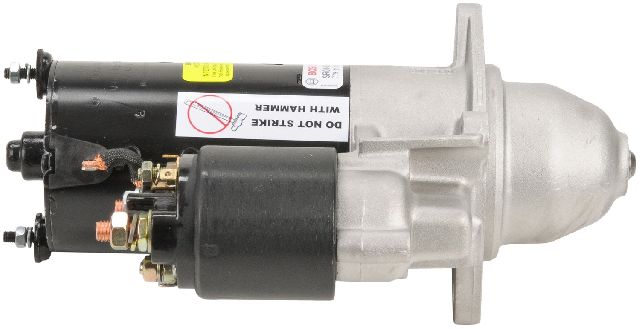
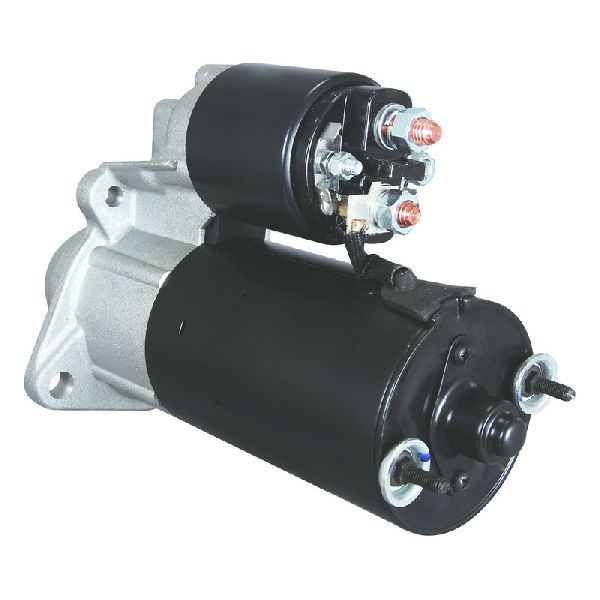
Bosch was the Original Equipment Manufacturer (OEM) for many electrical parts on the E36, including the starter. Choosing a new Bosch starter is the closest you can get to the original part without the dealership price tag. They are known for reliability and proper fitment. Many modern Bosch replacements feature threaded mounting holes, which is an upgrade over the original non-threaded design on earlier models, making installation slightly easier. - Tier 2 (Quality Aftermarket): Vemo, WAI Global
Brands like Vemo and WAI Global offer a more budget-friendly alternative. WAI Global is a large aftermarket manufacturer, and some users have had good long-term success with their parts. Vemo is another established aftermarket brand. While these parts can offer good value, for a difficult-to-access part like the E36 starter, most owners recommend spending more for an OEM-quality brand to ensure longevity.
Pro Tip: Threaded vs. Unthreaded Starters
Original starters on early E36 models had unthreaded mounting holes, requiring you to hold a nut on the back while tightening the bolt. Most new aftermarket starters, like the Bosch units, come with threaded mounting holes. This is a direct upgrade that makes installation much simpler, as you only need to thread the bolt in from the transmission side.
🎬 Watch: Pro tips for making the starter installation easierCost of Replacing a BMW 325i Starter
The cost can vary based on the parts you choose and who does the work. The replacement is considered difficult, with shops quoting several hours of labor due to the need to remove the intake manifold.
| Part/Service | Estimated Cost |
|---|---|
| New OEM Starter | $450 - $600 |
| New Aftermarket Starter (Bosch) | $200 - $290 |
| New Aftermarket Starter (Other) | $140 - $200 |
| Remanufactured Starter (Bosch) | $140 - $220 |
| Shop Labor | $450 - $700 |
Frequently Asked Questions
Can I replace the starter myself?
Yes, it is possible for a skilled DIY mechanic. However, it is not a simple job. It requires removing the entire intake manifold to access the starter. This involves disconnecting many electrical connectors, fuel lines, and vacuum hoses. It requires patience and a good set of tools, including E-Torx sockets. Expect the job to take 4-6 hours.
🎬 See this step-by-step walkthrough for replacing the starter motorWhat are the common signs of a bad starter vs. a bad battery?
A bad battery will often cause slow cranking, and the interior lights may dim significantly when you try to start the car. A bad starter can also cause slow cranking, but the key symptom is often a single, loud click with no crank, or no sound at all, even though the lights and radio work fine. If a jump start doesn't help, the starter is the likely culprit.
Do I need to buy a new starter, or is remanufactured okay?
A remanufactured starter from a top brand like Bosch is a very reliable option and can save you money. These units are rebuilt to meet or exceed original specifications, with common wear components replaced. For a difficult job like this, a quality remanufactured unit is a better choice than a new unit from a lesser-known brand.
What is a starter solenoid?
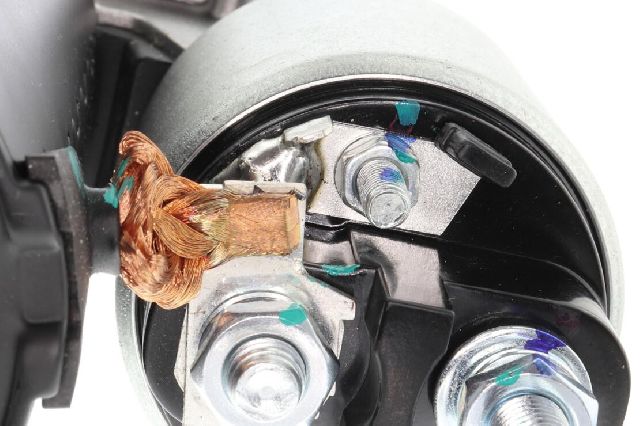
The starter solenoid is a small, powerful switch attached to the starter motor. When you turn the key, it does two things: it pushes the starter gear forward to engage with the engine's flywheel, and it closes the electrical circuit to power the starter motor. A clicking sound without the engine cranking is a classic sign of a failed solenoid or starter motor.
Helpful Videos

Technical Specifications
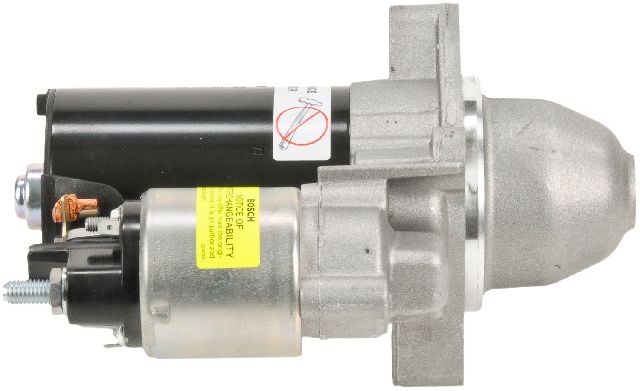
OEM Part Numbers: 12412354693 12412344242 12417578684 12411712937 12412179001
Voltage: 12V. Power Rating: 1.4 kW. Rotation: Clockwise. Number of Teeth: 9.
We Have This Part in Stock

The information in this article is provided for general reference and educational purposes only. Vehicle specifications, procedures, and part compatibility can vary by production date, trim level, and region. Always consult your vehicle's factory service manual and verify part numbers before purchasing or performing repairs. Safety-critical components such as airbags, seat belts, and braking systems should be installed by a qualified professional.
- BMW 325i: