

Accessory Drive Belt Guide for 1993-2000 BMW M3 (E36)
Keep your S50 or S52 engine running strong by understanding its critical drive belts.
- The E36 M3 has two belts: a main accessory belt and a separate A/C belt. The main belt is critical for engine operation.
- For maximum reliability, replace the plastic idler pulleys and tensioners at the same time as the belts. Pulley failure is a common cause of belt failure.
- OEM-quality belts from brands like Continental are available and recommended, but quality aftermarket brands like Bando and ACDelco are also suitable.
- If the main belt breaks, the engine will overheat quickly. If you see the temperature gauge rise or the battery light come on, pull over and shut off the engine immediately.
Understanding Your M3's Drive Belt System
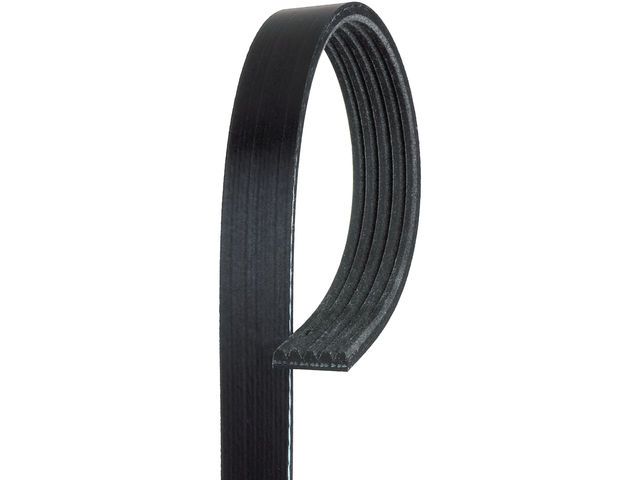
The 1993-2000 BMW M3, known as the E36 generation, uses a multi-belt system to run its accessories. Unlike cars with a single serpentine belt, the E36 M3 has two: a main accessory belt and a separate A/C belt. The main belt is the most critical, as it powers the water pump (for cooling), the alternator (for charging the battery), and the power steering pump. The second belt's only job is to run the A/C compressor. Because these belts are made of rubber, they wear out over time and require replacement as part of regular maintenance.
Symptoms of a Failing Accessory Drive Belt
Modern belts with automatic tensioners often don't squeal until they are about to fail completely. It's important to listen for other noises and perform visual inspections.
- Squealing or Chirping Noises: A high-pitched squeal, especially at startup or when turning the steering wheel, is a classic sign of a slipping or worn belt.
- Visible Wear and Tear: Look for cracks, fraying, missing ribs, or a shiny, glazed appearance on the belt's surface. Any visible damage means the belt needs immediate replacement.
- Grinding or Buzzing Sounds: These noises often point to a failing tensioner or idler pulley bearing, not the belt itself. However, a bad pulley will quickly destroy a new belt, so the sound should be investigated immediately.
- System Warnings: If the battery warning light comes on, it could mean the belt is slipping and not turning the alternator properly. Similarly, if your engine temperature gauge starts to rise, the belt may not be turning the water pump effectively.
Pro Tip: Replace Pulleys and Tensioners with the Belts
On the E36 M3, the plastic idler pulleys and the belt tensioners are common failure points. The bearings inside the pulleys wear out, and the plastic can become brittle and break. A seized pulley can shred a new belt in seconds, leaving you stranded. It is strongly recommended to replace the belts, pulleys, and tensioners together as a kit for long-term reliability.
Choosing the Right Aftermarket Drive Belt
You don't need a Genuine BMW-branded belt to get top quality. The original belts are made by established manufacturers, and you can buy the same quality directly from those brands.
- Tier 1 / OEM-Equivalent (Best Quality): Brands like Continental are original equipment manufacturers for BMW. Choosing a Continental belt is like getting the genuine part without the dealership price tag. They are trusted for perfect fitment and long life.
- Tier 2 / Quality Aftermarket (Good Quality): Brands like Bando and ACDelco are well-regarded in the aftermarket. Bando is a known OEM supplier for many Japanese vehicles, and their aftermarket belts are considered reliable. ACDelco, GM's parts brand, also produces quality replacement belts. For a daily-driven or budget-conscious M3, these brands offer a good balance of price and performance.
Accessory Drive Belt Cost Comparison (1993-2000 BMW M3)
| Part Type | Price Range | Notes |
|---|---|---|
| New Aftermarket Belts | $17.95 - $37.82 | Price for individual belts (main and A/C). Quality is often equal to or better than OEM. |
| New OEM Belts | $45 - $70 | Price for individual Genuine BMW or OEM supplier (e.g., Continental) belts. |
| Shop Labor | $100 - $200 | Cost for professional installation of belts only. Will be higher if replacing tensioners and pulleys. |
Known Issues: No Recalls, But Pulleys are a Weak Point
There are no specific NHTSA recalls for the accessory drive belts on the 1993-2000 BMW M3. However, the plastic pulleys for the tensioner and idler are known weak points that can fail and cause belt destruction. It is critical to inspect and preferably replace these components whenever you replace the belts.
Frequently Asked Questions (FAQ)
How many belts does my E36 M3 have?
Your M3 has two separate accessory drive belts: a main serpentine belt for the alternator, water pump, and power steering, and a smaller belt for the A/C compressor.
Can I replace just the belts without the pulleys?
Yes, but it is not recommended. The plastic pulleys and their internal bearings are a common failure point on the S50 and S52 engines. A failing pulley can destroy a new belt. For peace of mind, it's best to replace the belts, tensioners, and pulleys as a complete kit.
Is an aftermarket belt from Bando or ACDelco good enough for my M3?
Yes. Both Bando and ACDelco are reputable brands that produce quality belts. While Continental is the known OEM supplier for a factory-equivalent fit, Bando and ACDelco offer a reliable and cost-effective alternative for most owners.
How often should I replace the accessory drive belts?
A general guideline is to inspect the belts at every oil change and replace them every 4 years or 50,000 miles, whichever comes first. However, if you see any signs of cracking, fraying, or hear any squealing, you should replace them immediately.
Technical Specifications
OEM Part Numbers: 11287636378 11281437929 11281470024 11281703943
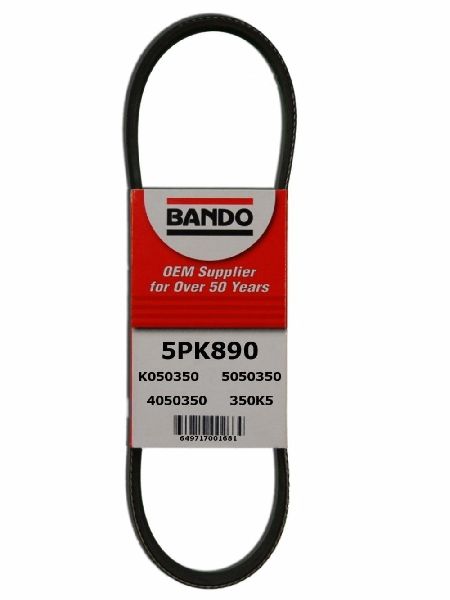
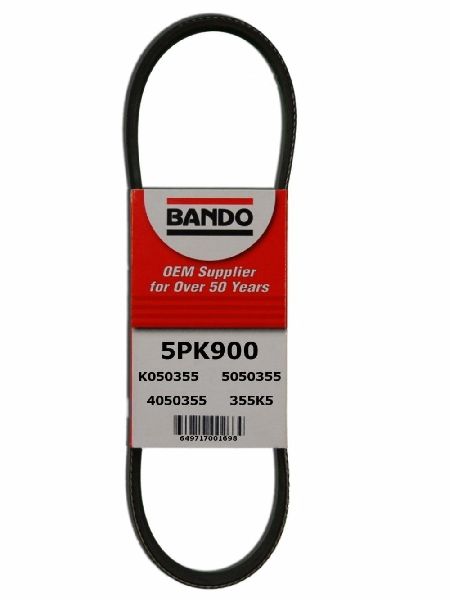
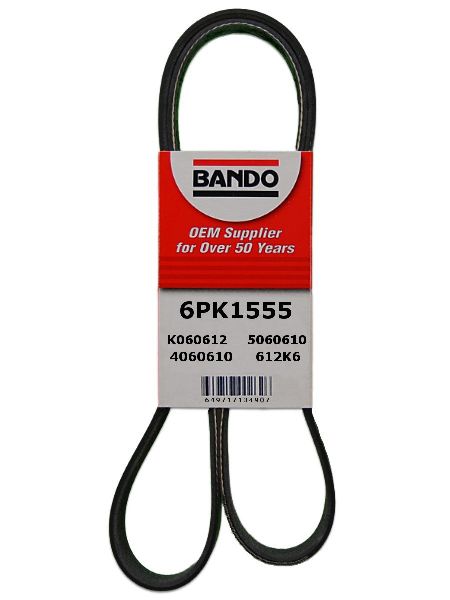
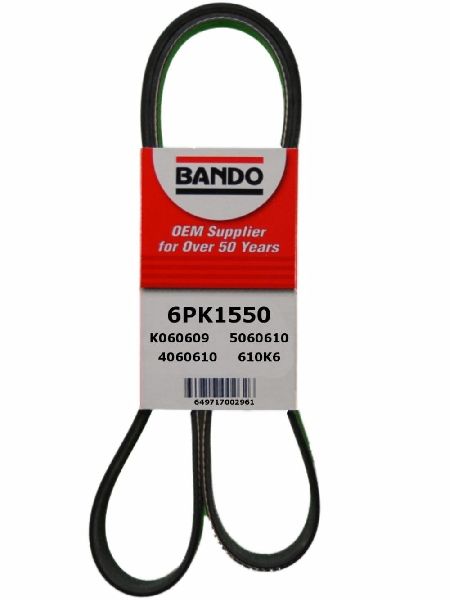
The E36 M3 uses two separate belts: a main multi-rib serpentine belt (approx. 6PK1555) for the alternator, water pump, and power steering, and a smaller multi-rib belt (approx. 5PK906) for the A/C compressor. The system uses hydraulic tensioners.
We Have This Part in Stock

The information in this article is provided for general reference and educational purposes only. Vehicle specifications, procedures, and part compatibility can vary by production date, trim level, and region. Always consult your vehicle's factory service manual and verify part numbers before purchasing or performing repairs. Safety-critical components such as airbags, seat belts, and braking systems should be installed by a qualified professional.
- BMW M3:
- 🛍️ Shop This Part
- Understanding Your M3's Drive Belt System
- Symptoms of a Failing Accessory Drive Belt
- Pro Tip: Replace Pulleys and Tensioners with the Belts
- Choosing the Right Aftermarket Drive Belt
- Accessory Drive Belt Cost Comparison (1993-2000 BMW M3)
- Known Issues: No Recalls, But Pulleys are a Weak Point
- Frequently Asked Questions (FAQ)
- 🎟️ Get 5% Off