

A Guide to Spark Plugs for the 1995-1999 BMW E36 M3
Keep your high-performance S50 or S52 engine running perfectly with the right set of spark plugs.
- For the 1996-1999 S52 engine, use OEM-equivalent NGK BKR6EK or Bosch FGR8KQE plugs for proven reliability.
- For the 1995 S50 engine, the factory-specified plug is the NGK BKR6EK.
- Always use a torque wrench set to 18-22 ft-lbs to avoid damaging the engine's cylinder head.
- While iridium plugs last longer, many enthusiasts prefer changing affordable copper plugs more frequently for maximum performance.
Understanding Spark Plugs for Your E36 M3

Choosing the right spark plug for your 1995-1999 E36 M3 is more than just routine maintenance; it's essential for preserving the car's legendary performance. The North American E36 M3 used two different engines: the S50B30US in 1995 models and the S52B32 in 1996-1999 models. Each has specific spark plug requirements for the best performance and longevity.
A Note on Model Years
While some parts catalogs list the E36 M3 from 1993-2000, the specific M3 model for the North American market was sold from 1995 to 1999. This guide focuses exclusively on these US-spec cars.
OEM vs. Aftermarket Spark Plugs

BMW did not manufacture its own spark plugs. Instead, it sourced them from top-tier brands like NGK and Bosch. This means you can buy the exact same part that came in your car from the factory, just in an aftermarket box, often for less money. For a high-strung engine like the M3's, it is highly recommended to stick with these OEM-equivalent brands.
Choosing the Right Aftermarket Brand
Not all aftermarket plugs are created equal. Here’s a breakdown of the brands available for your M3:
- Tier 1 (OEM-Equivalent): NGK & Bosch
These are the original suppliers to BMW. For the S52 engine (1996-1999), the NGK BKR6EK or the Bosch FGR8KQE are the standard, factory-recommended plugs. For the 1995 S50 engine, the NGK BKR6EK is the factory-specified plug. You cannot go wrong choosing these brands; they offer proven performance and reliability. - Tier 2 (Quality Alternatives): Denso
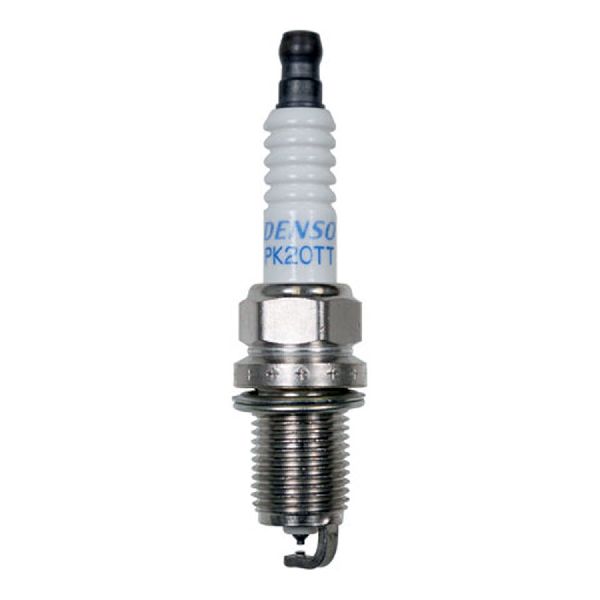
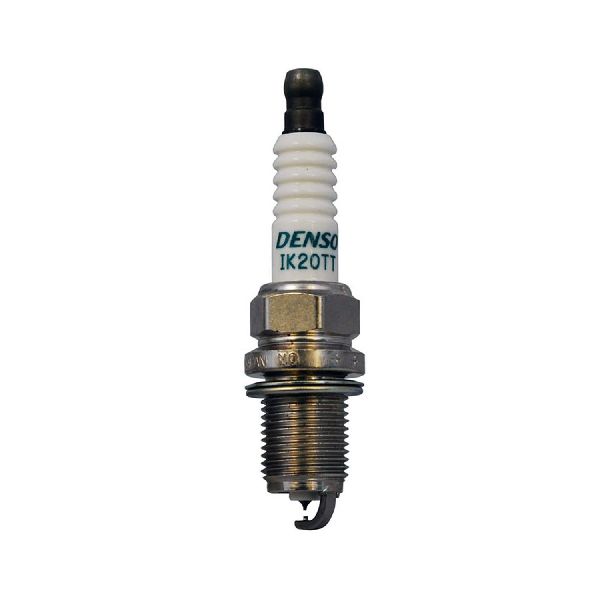
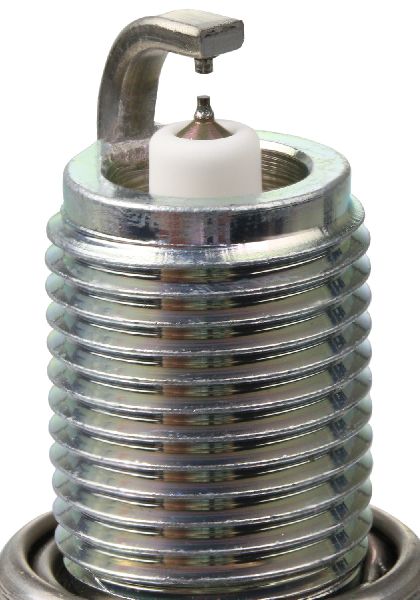
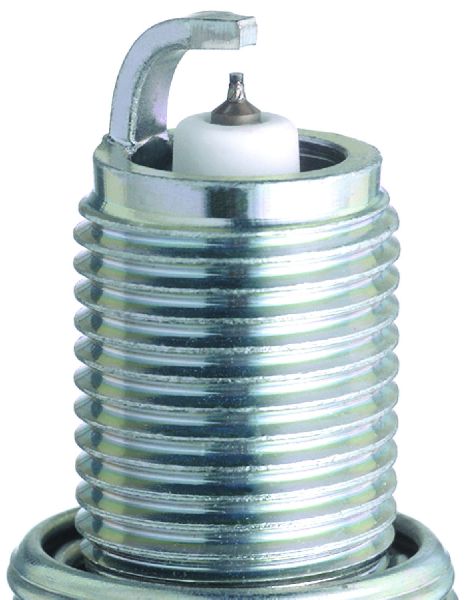
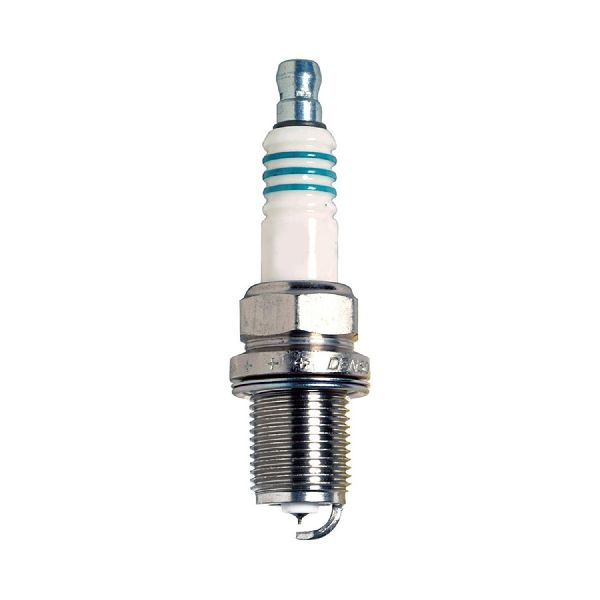
Denso is a well-respected Japanese brand that produces high-quality spark plugs, including iridium options that many enthusiasts use. While not an original supplier for this model, their plugs are a reliable alternative if the OEM brands are unavailable. - Tier 3 (Economy): Autolite & Champion
While these brands are well-known, they are generally considered a budget option. For a high-performance, high-compression engine like the M3's, it is best to avoid economy-tier plugs to prevent potential performance issues. Sticking with NGK or Bosch is a safer investment in your engine's health.
Copper vs. Iridium/Platinum Plugs
The original plugs for the E36 M3 were typically standard copper or multi-ground electrode plugs. Many enthusiasts prefer simple copper plugs like the NGK BKR6E for their strong spark, even though they need to be replaced more often (around every 15,000-30,000 miles). Platinum and Iridium plugs offer a much longer service life (60,000+ miles), but for peak performance, especially on tuned or tracked cars, many owners stick with frequent changes of copper plugs.
Known Issues, Recalls, or TSBs

As of this writing, there are no specific recalls or Technical Service Bulletins (TSBs) from the NHTSA related to spark plugs for the 1995-1999 BMW M3. The most common issues arise from using incorrect plugs, improper gapping, or not torquing them to specification. One forum user noted that some early Bosch plugs for the 3.0L engine had issues with shedding tips, reinforcing the recommendation to use the specified NGK plugs. Additionally, oil leaking from the valve cover gasket into the spark plug wells is a common E36 issue that can foul plugs and damage ignition coils if not addressed.
Frequently Asked Questions

How often should I replace my M3's spark plugs?
The recommended interval varies by plug type. For standard NGK/Bosch plugs, a replacement every 30,000 to 60,000 miles is common. If you use basic copper plugs or drive your car hard on the track, many owners replace them as often as every 15,000-25,000 miles to maintain peak performance.
What is the correct spark plug gap for my E36 M3?
Most OEM-equivalent plugs from NGK and Bosch come pre-gapped and should not need adjustment. If you do need to check or set the gap, it is typically between 0.028" and 0.032". Always verify the specific requirement for the plug you are installing.
How many spark plugs does my M3 need?
Your M3's inline-six engine requires a total of six spark plugs, one for each cylinder.
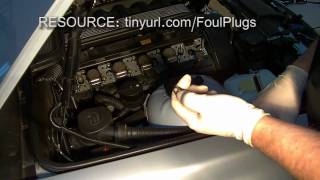
Do I need to use a torque wrench for installation? 🎬 Watch this step-by-step guide to replacing spark plugs on your M3.
Yes, this is critical. Over-tightening can damage the cylinder head, while under-tightening can cause the plug to back out. The proper torque specification for E36 M3 spark plugs is approximately 18-22 ft-lbs (25-30 Nm).
Helpful Videos
Technical Specifications
OEM Part Numbers: 12129069877 (S52 - Bosch) 12129064619 (S50 - NGK) 12129071003 (S52 - NGK)
Engine requires 6 spark plugs. Recommended brands are NGK and Bosch. Torque specification is approximately 18-22 ft-lbs.
We Have This Part in Stock

The information in this article is provided for general reference and educational purposes only. Vehicle specifications, procedures, and part compatibility can vary by production date, trim level, and region. Always consult your vehicle's factory service manual and verify part numbers before purchasing or performing repairs. Safety-critical components such as airbags, seat belts, and braking systems should be installed by a qualified professional.
- BMW M3: