

Ford Ranger Alternator Guide: Choosing a Replacement for 1993-2000 Models
Everything a Ranger owner needs to know when their alternator fails and it's time to choose a new one.
- Verify your Ranger's required amperage (usually 95A or 130A) before buying a replacement.
- Inspect battery cables and engine ground straps for corrosion, as this can mimic alternator failure.
- For longevity, consider a new or remanufactured unit from an OEM-quality brand like Motorcraft or Denso.
- If you have added electrical accessories like lights or a winch, upgrade to a high-output alternator.
Is Your Ford Ranger Alternator Failing?
When an alternator starts to go bad, it gives you several warning signs. Ignoring them can leave you stranded. Be on the lookout for these common symptoms in your Ranger.
- Dim or Flickering Lights: Headlights and dashboard lights that are dimmer than usual or flicker are a classic sign.
- Battery Warning Light: A light shaped like a battery or one that says "ALT" or "GEN" on your dash means the electrical system has a problem.
- Slow Electrical Accessories: If your power windows are slow or the radio acts up, it could be due to the alternator not providing enough power.
- Whining or Grinding Noises: A grinding sound can point to a worn-out bearing inside the alternator. A whining noise is also a common symptom.
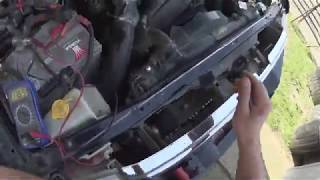
- Difficulty Starting or Frequent Stalling: The alternator recharges the battery. If it's failing, the battery won't have enough power to start the engine reliably. 🎬 Watch: How to check your battery and alternator health The engine can also stall while driving if the alternator isn't powering the fuel pump and ignition system properly.
Known Issues: Wiring and Grounds
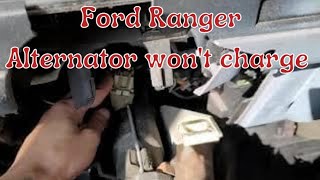
Before you replace the alternator, check your truck's wiring. Owners of this generation of Ranger report that charging problems can sometimes be caused by corroded battery cables, bad engine grounds, or melted fusible links in the wiring harness. 🎬 See why your Ranger alternator might not be charging A visual inspection of the wires connected to the alternator and battery is a smart first step.
Choosing the Right Aftermarket Alternator
When replacing the alternator on your 1993-2000 Ranger, you have a choice between OEM (Motorcraft) and various aftermarket brands. The original Motorcraft parts are known for their longevity, but new aftermarket parts can offer good value.
- Premium Brands (Denso, Motorcraft): Motorcraft is the original Ford part, offering a direct fit and factory performance. Denso is a well-respected OEM supplier for many brands and is known for its high quality and reliability, often considered equivalent to factory parts. Some forum users even suggest that Bosch was the original manufacturer for some Motorcraft alternators, making them a top-tier choice as well.
- Quality Aftermarket (ACDelco, Remy, WAI Global): These brands are established names in the aftermarket. They often provide a good balance of price and quality. ACDelco and Remy are frequently mentioned as reliable options.
- Economy Brands (BBB Industries, MPA): These brands can be more budget-friendly. While they meet basic requirements, their lifespan may not match that of premium brands. They are a viable option if cost is the primary concern.
- High-Output (Powermaster): If you have added accessories like a powerful stereo system, off-road lights, or a winch, a high-output alternator from a brand like Powermaster might be necessary. Stock alternators for this Ranger are typically 95 or 130 amps, while high-output versions can provide 200 amps or more.
Pro Tip: Check Your Amperage
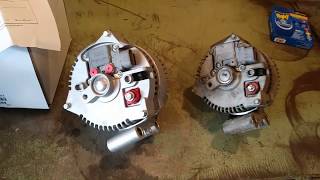
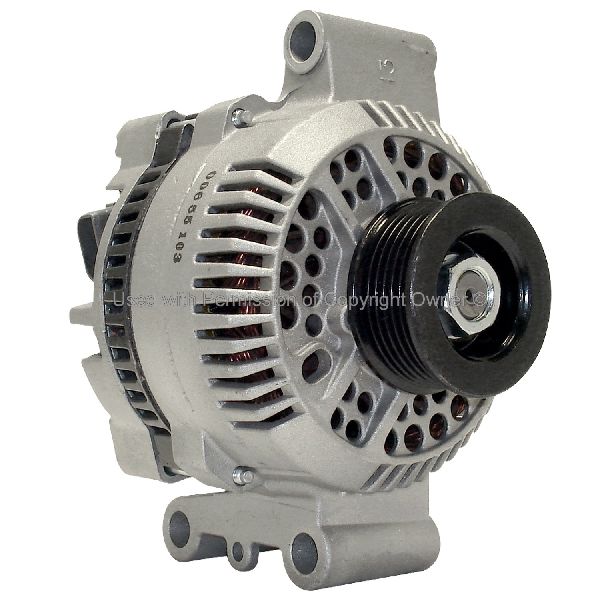
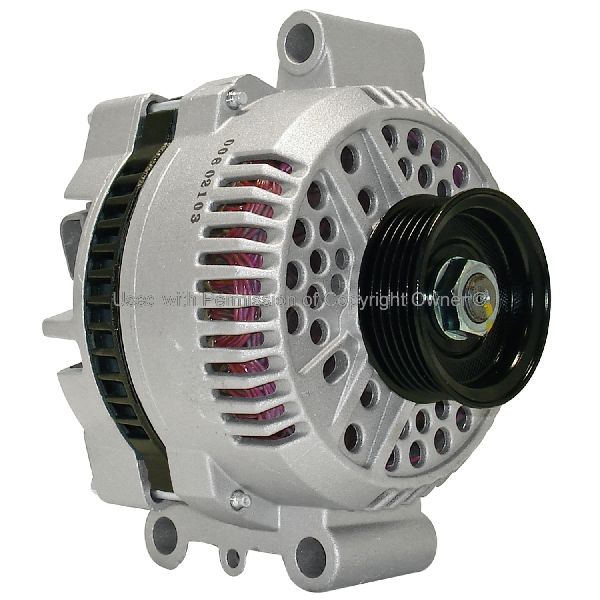
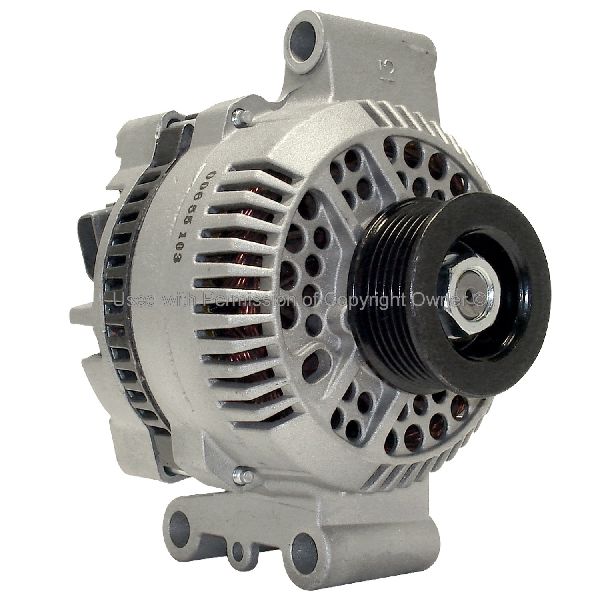
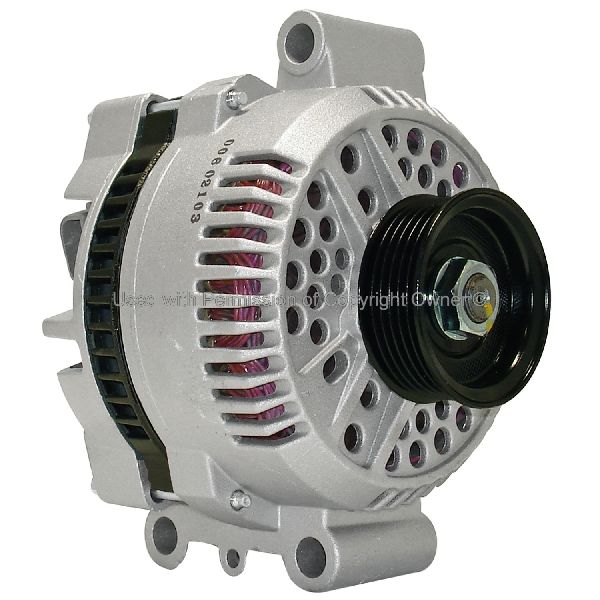
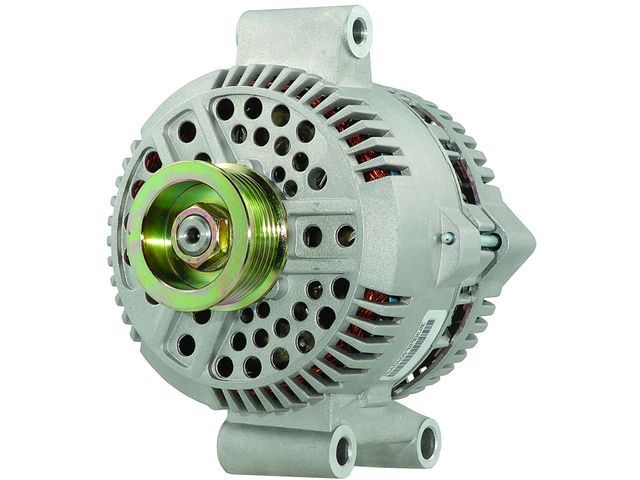
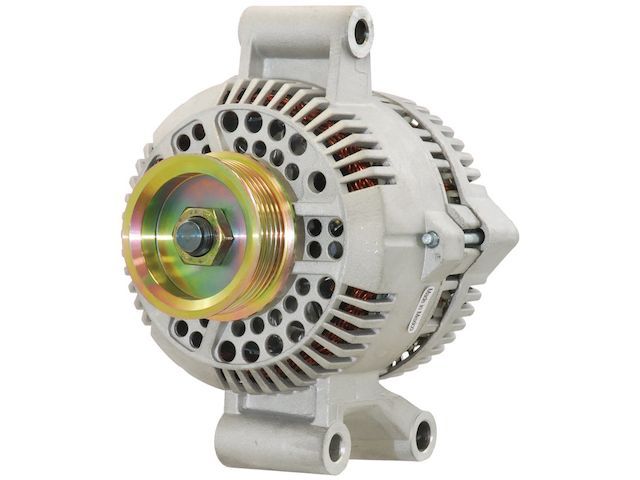
Ford offered different alternator outputs for Rangers, most commonly 95 amps and 130 amps. Before ordering, check the amperage of your existing alternator. You can often find a sticker on the case or identify it by the cooling vent pattern—95-amp models typically have a four-hole pattern, while 130-amp models have a two-hole pattern. While you can upgrade to a higher amperage unit (a 130-amp alternator is a common upgrade for trucks with a 95-amp original), you should not downgrade.
New vs. Remanufactured Alternators
You will find both "new" and "remanufactured" alternators available. A new part is built from all-new components. A remanufactured (or "reman") part has been disassembled, cleaned, and rebuilt with new wear-and-tear components like bearings and brushes. Many owners have had success with quality remanufactured units from brands like Motorcraft or Denso. However, some have reported receiving defective remanufactured parts from budget brands, so it's often recommended to have the part tested at the store before taking it home.
Frequently Asked Questions
Can I install a Ranger alternator myself?
Yes, for many DIY mechanics, this is a manageable job. It typically involves disconnecting the battery, releasing the serpentine belt tensioner, removing a few bolts and electrical connectors, and swapping the part. The difficulty is generally considered low to moderate.
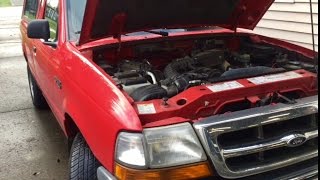
🎬 Watch this step-by-step alternator and serpentine belt replacementDo I need a higher amperage alternator?
You only need a higher amperage (e.g., 130A or more) alternator if you have added significant electrical loads like a large sound system, a winch, or extensive auxiliary lighting. For a stock truck, the original amperage is sufficient.
What is a "core charge"?
A core charge is a deposit you pay when buying a remanufactured part. You get the deposit back when you return your old alternator to the store. This ensures that there is a supply of old parts to be remanufactured.
Were there any recalls on the 1993-2000 Ranger alternator?
No specific recalls were found for the alternator itself on 1993-2000 Ford Rangers. However, a broad recall (NHTSA 09V399000) was issued for a faulty speed control deactivation switch that could leak and cause a fire, which affected some 1995-1997 and 2001-2003 Ranger models. It is unrelated to alternator function but is an important safety check for affected model years.
Helpful Videos
Technical Specifications
OEM Part Numbers: F6PZ-10346-LARM 1L5Z-10346-BA GL-500RM
Voltage: 12V. Common Amperage: 95A or 130A. Pulley: 6-groove solid pulley. Rotation: Clockwise. Regulator: Internal.
We Have This Part in Stock

The information in this article is provided for general reference and educational purposes only. Vehicle specifications, procedures, and part compatibility can vary by production date, trim level, and region. Always consult your vehicle's factory service manual and verify part numbers before purchasing or performing repairs. Safety-critical components such as airbags, seat belts, and braking systems should be installed by a qualified professional.
- Ford Ranger: