

Ford Taurus Crankshaft Position Sensor Guide: 1993-2000
Solve stalling, no-start, and rough idling issues on your 1993-2000 Ford Taurus.
- Stalling when warm and no-start conditions are the most common signs of a failing crankshaft sensor on this Taurus.
- For the common 3.0L OHV Vulcan engine, the sensor is easy to access by removing the passenger-side wheel and splash shield.
- Always check the sensor's wiring and connector for damage before replacing the sensor itself, as this is a known failure point.
- Invest in a quality OEM (Motorcraft) or Premium Aftermarket (Delphi, NGK) brand to avoid premature failure and ensure reliability.
Is Your Ford Taurus Stalling or Not Starting?
If your 1993-2000 Ford Taurus suddenly stalls, especially when the engine is warm, or if it cranks but refuses to start, a failing crankshaft position sensor is a very common cause. This sensor is essential for engine operation, and when it fails, it can leave you stranded. Understanding its symptoms and knowing how to choose the right replacement part can save you time and money.
Common Symptoms of a Bad Crankshaft Sensor
A failing crankshaft sensor can cause several noticeable problems. You might experience one or more of the following:
- Engine Stalling: The engine may shut off unexpectedly, often when it warms up or while idling at a stoplight. It may restart after cooling down.
- Hard Start or No Start: The engine cranks for a long time before starting, or it may not start at all. The computer won't allow spark or fuel 🎬 Watch: Troubleshooting a no-start condition when your battery is good without a crank signal.
- Rough Idle and Vibrations: The engine may shake or run unevenly when stopped.
- Poor Acceleration: The car may feel sluggish or lack power because the computer can't time the engine correctly.
- Check Engine Light: A faulty sensor will often trigger the Check Engine Light and store a diagnostic trouble code, most commonly P0335.
Check the Connector First
Before replacing the sensor, inspect its electrical connector and wiring. On these models, the wiring harness can become brittle and fail, causing the same symptoms as a bad sensor. Wiggling the wire near the sensor while the engine is running may cause it to stall, indicating a wiring problem, not a sensor problem.
Choosing the Right Aftermarket Sensor
When it comes to critical electronic parts like a crankshaft sensor, quality matters. A cheap, low-quality sensor can fail quickly or provide an incorrect signal, leading to the same problems you were trying to fix. Here’s a breakdown of your options:
Brand Quality Tiers
- OEM (Original Equipment Manufacturer): Motorcraft is the Ford factory brand. It offers the best guarantee of fit, function, and longevity. While it's the most expensive option, it's the benchmark for reliability.
- Premium Aftermarket: Brands like Delphi, Denso, and NGK/NTK are often OEM suppliers for various car manufacturers and have a strong reputation for quality electronics. These are your best bet for near-OEM performance without the dealer price tag. Hitachi is also in this category.
- Standard Aftermarket: Brands such as Standard Ignition (SMP), Dorman, and Walker Products offer a balance of price and quality. They are widely available and are a reliable choice for many repairs, though they may not have the same lifespan as premium options.
- Budget Aftermarket: Brands like URO Parts, Prenco, and True Tech are the most affordable. While tempting, using budget brands for critical sensors is a gamble. They may fail prematurely or not perform to OE specifications, forcing you to do the job twice.
Pro Tip: For a part that can leave you stranded, spending a little more on a Premium Aftermarket or OEM sensor is a wise investment to ensure reliability and avoid repeat repairs.
How Much Does a Replacement Cost?
The cost depends on whether you do it yourself or have a shop perform the work. The part itself is relatively inexpensive.
| Item | Estimated Cost |
|---|---|
| New Aftermarket Part | $18 - $60 |
| New OEM (Motorcraft) Part | $50 - $85 |
| Shop Labor | $100 - $150 |
| Total Shop Repair | $168 - $232 |
Frequently Asked Questions (FAQ)
Where is the crankshaft sensor located on my Taurus?
It depends on your engine. For the common 3.0L OHV "Vulcan" V6, the sensor is on the front of the engine, on the passenger side, near the large crankshaft pulley at the bottom. For the less common 3.0L DOHC "Duratec" V6, the sensor is in a much more difficult-to-access location, often on the rear of the engine block near the transmission. This makes replacement much more labor-intensive.
Can I replace this part myself?
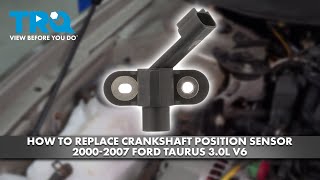
Yes, if you have the 3.0L OHV Vulcan engine. The job is straightforward for a DIY mechanic with basic tools. The easiest way is to remove the passenger-side front wheel and the plastic splash guard in the wheel well for direct access. The sensor is held by two small bolts. The job typically takes about an hour. 🎬 See this step-by-step walkthrough for replacing the sensor yourself For the DOHC engine, replacement is not recommended for beginners due to poor accessibility.
Can I drive with a bad crankshaft sensor?
It is not recommended. A failing sensor can cause the engine to stall at any time, which is a serious safety hazard, especially in traffic. If the sensor fails completely, the engine will not start at all, leaving you stranded.
Do I need to reset the computer after replacing the sensor?
It's a good practice. After replacing the sensor, the Check Engine Light should go off on its own after a few drive cycles. However, to clear the code immediately, you can disconnect the negative battery terminal for about 15 minutes or use an OBD-II scanner to clear the codes.
Are there any recalls for this part?
No, there are no specific recalls from Ford or the NHTSA for the crankshaft position sensor on the 1993-2000 Ford Taurus. Any recalls for this vehicle pertain to other issues like subframe corrosion or speed control switches.
Helpful Videos
Technical Specifications
OEM Part Numbers: F3DZ-6C315-A 1F1Z-6C315-AA 1F1Z-6C315-AB 4F1Z-6C315-AA
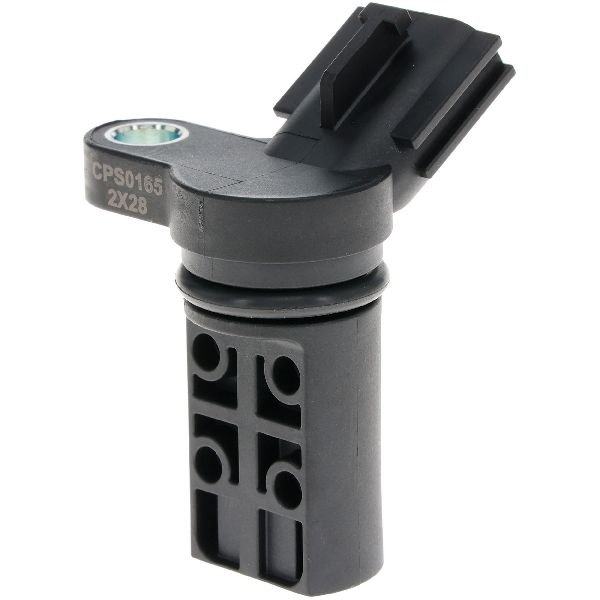
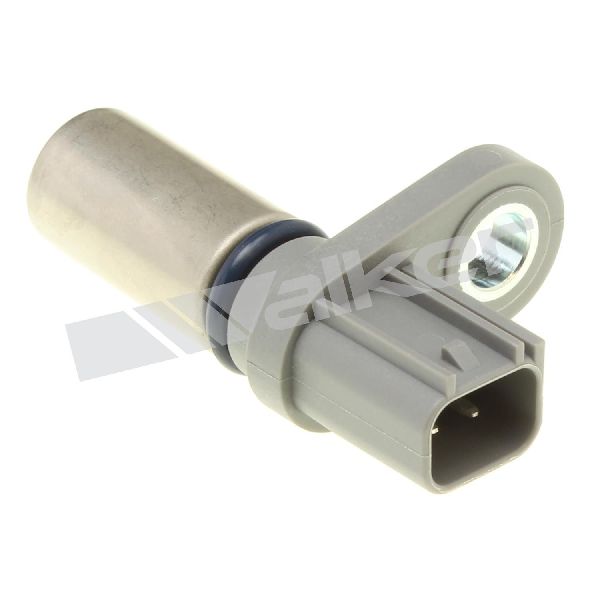
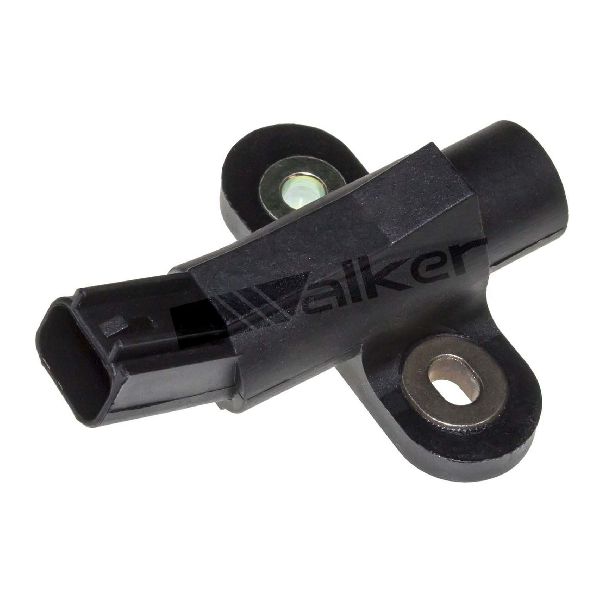
2-pin magnetic sensor that reads the crankshaft reluctor wheel.
We Have This Part in Stock


The information in this article is provided for general reference and educational purposes only. Vehicle specifications, procedures, and part compatibility can vary by production date, trim level, and region. Always consult your vehicle's factory service manual and verify part numbers before purchasing or performing repairs. Safety-critical components such as airbags, seat belts, and braking systems should be installed by a qualified professional.
- Ford Taurus: